Call Or Text 24x7
- About Us
- Practice Areas
- Injuries
- FAQs
- Articles
- Location
- Service AreasAventura, FL
- Personal Injury Lawyer
- Car Accident Lawyer
- Slip and Fall Lawyer
- Truck Accident Lawyer
- Motorcycle Accident Lawyer
- Pedestrian Accident Lawyer
- Bicycle Accident Lawyer
- Rideshare Accident Lawyer
- Bus Accident Lawyer
- Wrongful Death Lawyer
- Premises Liability Lawyer
- Negligent Security Lawyer
- Dog Bite Lawyer
- Nursing Home Abuse Lawyer
- Medical Malpractice Lawyer
- Brain Injury Lawyer
- Spinal Cord Injury Lawyer
- Catastrophic Injury Lawyer
- Burn Injury Lawyer
- Construction Accident Lawyer
- Boating Accident Lawyer
- Cruise Ship Accident Lawyer
- Product Liability Lawyer
- DUI Accident Lawyer
- Hit and Run Lawyer
- Rear-End Collision Lawyer
- Underinsured Motorist Lawyer
- HOA Negligence Injury Lawyer
Hialeah, FL- Personal Injury Lawyer
- Car Accident Lawyer
- Slip and Fall Lawyer
- Truck Accident Lawyer
- Motorcycle Accident Lawyer
- Pedestrian Accident Lawyer
- Bicycle Accident Lawyer
- Rideshare Accident Lawyer
- Bus Accident Lawyer
- Wrongful Death Lawyer
- Premises Liability Lawyer
- Negligent Security Lawyer
- Dog Bite Lawyer
- Nursing Home Abuse Lawyer
- Medical Malpractice Lawyer
- Brain Injury Lawyer
- Spinal Cord Injury Lawyer
- Catastrophic Injury Lawyer
- Burn Injury Lawyer
- Construction Accident Lawyer
- Boating Accident Lawyer
- Cruise Ship Accident Lawyer
- Product Liability Lawyer
- DUI Accident Lawyer
- Hit and Run Lawyer
- Rear-End Collision Lawyer
- Underinsured Motorist Lawyer
- HOA Negligence Injury Lawyer
Sunny Isles Beach, FL- Personal Injury Lawyer
- Car Accident Lawyer
- Slip and Fall Lawyer
- Truck Accident Lawyer
- Motorcycle Accident Lawyer
- Pedestrian Accident Lawyer
- Bicycle Accident Lawyer
- Rideshare Accident Lawyer
- Bus Accident Lawyer
- Wrongful Death Lawyer
- Premises Liability Lawyer
- Negligent Security Lawyer
- Dog Bite Lawyer
- Nursing Home Abuse Lawyer
- Medical Malpractice Lawyer
- Brain Injury Lawyer
- Spinal Cord Injury Lawyer
- Catastrophic Injury Lawyer
- Burn Injury Lawyer
- Construction Accident Lawyer
- Boating Accident Lawyer
- Cruise Ship Accident Lawyer
- Product Liability Lawyer
- DUI Accident Lawyer
- Hit and Run Lawyer
- Rear-End Collision Lawyer
- Underinsured Motorist Lawyer
- HOA Negligence Injury Lawyer
Golden Beach, FL- Personal Injury Lawyer
- Car Accident Lawyer
- Slip and Fall Lawyer
- Truck Accident Lawyer
- Motorcycle Accident Lawyer
- Pedestrian Accident Lawyer
- Bicycle Accident Lawyer
- Rideshare Accident Lawyer
- Bus Accident Lawyer
- Wrongful Death Lawyer
- Premises Liability Lawyer
- Negligent Security Lawyer
- Dog Bite Lawyer
- Nursing Home Abuse Lawyer
- Medical Malpractice Lawyer
- Brain Injury Lawyer
- Spinal Cord Injury Lawyer
- Catastrophic Injury Lawyer
- Burn Injury Lawyer
- Construction Accident Lawyer
- Boating Accident Lawyer
- Cruise Ship Accident Lawyer
- Product Liability Lawyer
- DUI Accident Lawyer
- Hit and Run Lawyer
- Rear-End Collision Lawyer
- Underinsured Motorist Lawyer
- HOA Negligence Injury Lawyer
Hallandale Beach, FL- Personal Injury Lawyer
- Car Accident Lawyer
- Slip and Fall Lawyer
- Truck Accident Lawyer
- Motorcycle Accident Lawyer
- Pedestrian Accident Lawyer
- Bicycle Accident Lawyer
- Rideshare Accident Lawyer
- Bus Accident Lawyer
- Wrongful Death Lawyer
- Premises Liability Lawyer
- Negligent Security Lawyer
- Dog Bite Lawyer
- Nursing Home Abuse Lawyer
- Medical Malpractice Lawyer
- Brain Injury Lawyer
- Spinal Cord Injury Lawyer
- Catastrophic Injury Lawyer
- Burn Injury Lawyer
- Construction Accident Lawyer
- Boating Accident Lawyer
- Cruise Ship Accident Lawyer
- Product Liability Lawyer
- DUI Accident Lawyer
- Hit and Run Lawyer
- Rear-End Collision Lawyer
- Underinsured Motorist Lawyer
- HOA Negligence Injury Lawyer
Bal Harbour, FL- Personal Injury Lawyer
- Car Accident Lawyer
- Slip and Fall Lawyer
- Truck Accident Lawyer
- Motorcycle Accident Lawyer
- Pedestrian Accident Lawyer
- Bicycle Accident Lawyer
- Rideshare Accident Lawyer
- Bus Accident Lawyer
- Wrongful Death Lawyer
- Premises Liability Lawyer
- Negligent Security Lawyer
- Dog Bite Lawyer
- Nursing Home Abuse Lawyer
- Medical Malpractice Lawyer
- Brain Injury Lawyer
- Spinal Cord Injury Lawyer
- Catastrophic Injury Lawyer
- Burn Injury Lawyer
- Construction Accident Lawyer
- Boating Accident Lawyer
- Cruise Ship Accident Lawyer
- Product Liability Lawyer
- DUI Accident Lawyer
- Hit and Run Lawyer
- Rear-End Collision Lawyer
- Underinsured Motorist Lawyer
- HOA Negligence Injury Lawyer
Bay Harbor Islands, FL- Personal Injury Lawyer
- Car Accident Lawyer
- Slip and Fall Lawyer
- Truck Accident Lawyer
- Motorcycle Accident Lawyer
- Pedestrian Accident Lawyer
- Bicycle Accident Lawyer
- Rideshare Accident Lawyer
- Bus Accident Lawyer
- Wrongful Death Lawyer
- Premises Liability Lawyer
- Negligent Security Lawyer
- Dog Bite Lawyer
- Nursing Home Abuse Lawyer
- Medical Malpractice Lawyer
- Brain Injury Lawyer
- Spinal Cord Injury Lawyer
- Catastrophic Injury Lawyer
- Burn Injury Lawyer
- Construction Accident Lawyer
- Boating Accident Lawyer
- Cruise Ship Accident Lawyer
- Product Liability Lawyer
- DUI Accident Lawyer
- Hit and Run Lawyer
- Rear-End Collision Lawyer
- Underinsured Motorist Lawyer
- HOA Negligence Injury Lawyer
Surfside, FL- Personal Injury Lawyer
- Car Accident Lawyer
- Slip and Fall Lawyer
- Truck Accident Lawyer
- Motorcycle Accident Lawyer
- Pedestrian Accident Lawyer
- Bicycle Accident Lawyer
- Rideshare Accident Lawyer
- Bus Accident Lawyer
- Wrongful Death Lawyer
- Premises Liability Lawyer
- Negligent Security Lawyer
- Dog Bite Lawyer
- Nursing Home Abuse Lawyer
- Medical Malpractice Lawyer
- Brain Injury Lawyer
- Spinal Cord Injury Lawyer
- Catastrophic Injury Lawyer
- Burn Injury Lawyer
- Construction Accident Lawyer
- Boating Accident Lawyer
- Cruise Ship Accident Lawyer
- Product Liability Lawyer
- DUI Accident Lawyer
- Hit and Run Lawyer
- Rear-End Collision Lawyer
- Underinsured Motorist Lawyer
- HOA Negligence Injury Lawyer
Eastern Shores, FL- Personal Injury Lawyer
- Car Accident Lawyer
- Slip and Fall Lawyer
- Truck Accident Lawyer
- Motorcycle Accident Lawyer
- Pedestrian Accident Lawyer
- Bicycle Accident Lawyer
- Rideshare Accident Lawyer
- Bus Accident Lawyer
- Wrongful Death Lawyer
- Premises Liability Lawyer
- Negligent Security Lawyer
- Dog Bite Lawyer
- Nursing Home Abuse Lawyer
- Medical Malpractice Lawyer
- Brain Injury Lawyer
- Spinal Cord Injury Lawyer
- Catastrophic Injury Lawyer
- Burn Injury Lawyer
- Construction Accident Lawyer
- Boating Accident Lawyer
- Cruise Ship Accident Lawyer
- Product Liability Lawyer
- DUI Accident Lawyer
- Hit and Run Lawyer
- Rear-End Collision Lawyer
- Underinsured Motorist Lawyer
- HOA Negligence Injury Lawyer
Ives Estates, FL- Personal Injury Lawyer
- Car Accident Lawyer
- Slip and Fall Lawyer
- Truck Accident Lawyer
- Motorcycle Accident Lawyer
- Pedestrian Accident Lawyer
- Bicycle Accident Lawyer
- Rideshare Accident Lawyer
- Bus Accident Lawyer
- Wrongful Death Lawyer
- Premises Liability Lawyer
- Negligent Security Lawyer
- Dog Bite Lawyer
- Nursing Home Abuse Lawyer
- Medical Malpractice Lawyer
- Brain Injury Lawyer
- Spinal Cord Injury Lawyer
- Catastrophic Injury Lawyer
- Burn Injury Lawyer
- Construction Accident Lawyer
- Boating Accident Lawyer
- Cruise Ship Accident Lawyer
- Product Liability Lawyer
- DUI Accident Lawyer
- Hit and Run Lawyer
- Rear-End Collision Lawyer
- Underinsured Motorist Lawyer
- HOA Negligence Injury Lawyer
North Miami Beach, FL- Personal Injury Lawyer
- Car Accident Lawyer
- Slip and Fall Lawyer
- Truck Accident Lawyer
- Motorcycle Accident Lawyer
- Pedestrian Accident Lawyer
- Bicycle Accident Lawyer
- Rideshare Accident Lawyer
- Bus Accident Lawyer
- Wrongful Death Lawyer
- Premises Liability Lawyer
- Negligent Security Lawyer
- Dog Bite Lawyer
- Nursing Home Abuse Lawyer
- Medical Malpractice Lawyer
- Brain Injury Lawyer
- Spinal Cord Injury Lawyer
- Catastrophic Injury Lawyer
- Burn Injury Lawyer
- Construction Accident Lawyer
- Boating Accident Lawyer
- Cruise Ship Accident Lawyer
- Product Liability Lawyer
- DUI Accident Lawyer
- Hit and Run Lawyer
- Rear-End Collision Lawyer
- Underinsured Motorist Lawyer
- HOA Negligence Injury Lawyer
North Miami, FL- Personal Injury Lawyer
- Car Accident Lawyer
- Slip and Fall Lawyer
- Truck Accident Lawyer
- Motorcycle Accident Lawyer
- Pedestrian Accident Lawyer
- Bicycle Accident Lawyer
- Rideshare Accident Lawyer
- Bus Accident Lawyer
- Wrongful Death Lawyer
- Premises Liability Lawyer
- Negligent Security Lawyer
- Dog Bite Lawyer
- Nursing Home Abuse Lawyer
- Medical Malpractice Lawyer
- Brain Injury Lawyer
- Spinal Cord Injury Lawyer
- Catastrophic Injury Lawyer
- Burn Injury Lawyer
- Construction Accident Lawyer
- Boating Accident Lawyer
- Cruise Ship Accident Lawyer
- Product Liability Lawyer
- DUI Accident Lawyer
- Hit and Run Lawyer
- Rear-End Collision Lawyer
- Underinsured Motorist Lawyer
- HOA Negligence Injury Lawyer
Miami Gardens, FL- Personal Injury Lawyer
- Car Accident Lawyer
- Slip and Fall Lawyer
- Truck Accident Lawyer
- Motorcycle Accident Lawyer
- Pedestrian Accident Lawyer
- Bicycle Accident Lawyer
- Rideshare Accident Lawyer
- Bus Accident Lawyer
- Wrongful Death Lawyer
- Premises Liability Lawyer
- Negligent Security Lawyer
- Dog Bite Lawyer
- Nursing Home Abuse Lawyer
- Medical Malpractice Lawyer
- Brain Injury Lawyer
- Spinal Cord Injury Lawyer
- Catastrophic Injury Lawyer
- Burn Injury Lawyer
- Construction Accident Lawyer
- Boating Accident Lawyer
- Cruise Ship Accident Lawyer
- Product Liability Lawyer
- DUI Accident Lawyer
- Hit and Run Lawyer
- Rear-End Collision Lawyer
- Underinsured Motorist Lawyer
- HOA Negligence Injury Lawyer
Dania Beach, FL- Personal Injury Lawyer
- Car Accident Lawyer
- Slip and Fall Lawyer
- Truck Accident Lawyer
- Motorcycle Accident Lawyer
- Pedestrian Accident Lawyer
- Bicycle Accident Lawyer
- Rideshare Accident Lawyer
- Bus Accident Lawyer
- Wrongful Death Lawyer
- Premises Liability Lawyer
- Negligent Security Lawyer
- Dog Bite Lawyer
- Nursing Home Abuse Lawyer
- Medical Malpractice Lawyer
- Brain Injury Lawyer
- Spinal Cord Injury Lawyer
- Catastrophic Injury Lawyer
- Burn Injury Lawyer
- Construction Accident Lawyer
- Boating Accident Lawyer
- Cruise Ship Accident Lawyer
- Product Liability Lawyer
- DUI Accident Lawyer
- Hit and Run Lawyer
- Rear-End Collision Lawyer
- Underinsured Motorist Lawyer
- HOA Negligence Injury Lawyer
Miramar, FL- Personal Injury Lawyer
- Car Accident Lawyer
- Slip and Fall Lawyer
- Truck Accident Lawyer
- Motorcycle Accident Lawyer
- Pedestrian Accident Lawyer
- Bicycle Accident Lawyer
- Rideshare Accident Lawyer
- Bus Accident Lawyer
- Wrongful Death Lawyer
- Premises Liability Lawyer
- Negligent Security Lawyer
- Dog Bite Lawyer
- Nursing Home Abuse Lawyer
- Medical Malpractice Lawyer
- Brain Injury Lawyer
- Spinal Cord Injury Lawyer
- Catastrophic Injury Lawyer
- Burn Injury Lawyer
- Construction Accident Lawyer
- Boating Accident Lawyer
- Cruise Ship Accident Lawyer
- Product Liability Lawyer
- DUI Accident Lawyer
- Hit and Run Lawyer
- Rear-End Collision Lawyer
- Underinsured Motorist Lawyer
- HOA Negligence Injury Lawyer
Miami Lakes, FL- Personal Injury Lawyer
- Car Accident Lawyer
- Slip and Fall Lawyer
- Truck Accident Lawyer
- Motorcycle Accident Lawyer
- Pedestrian Accident Lawyer
- Bicycle Accident Lawyer
- Rideshare Accident Lawyer
- Bus Accident Lawyer
- Wrongful Death Lawyer
- Premises Liability Lawyer
- Negligent Security Lawyer
- Dog Bite Lawyer
- Nursing Home Abuse Lawyer
- Medical Malpractice Lawyer
- Brain Injury Lawyer
- Spinal Cord Injury Lawyer
- Catastrophic Injury Lawyer
- Burn Injury Lawyer
- Construction Accident Lawyer
- Boating Accident Lawyer
- Cruise Ship Accident Lawyer
- Product Liability Lawyer
- DUI Accident Lawyer
- Hit and Run Lawyer
- Rear-End Collision Lawyer
- Underinsured Motorist Lawyer
- HOA Negligence Injury Lawyer
Opa-Locka, FL- Personal Injury Lawyer
- Car Accident Lawyer
- Slip and Fall Lawyer
- Truck Accident Lawyer
- Motorcycle Accident Lawyer
- Pedestrian Accident Lawyer
- Bicycle Accident Lawyer
- Rideshare Accident Lawyer
- Bus Accident Lawyer
- Wrongful Death Lawyer
- Premises Liability Lawyer
- Negligent Security Lawyer
- Dog Bite Lawyer
- Nursing Home Abuse Lawyer
- Medical Malpractice Lawyer
- Brain Injury Lawyer
- Spinal Cord Injury Lawyer
- Catastrophic Injury Lawyer
- Burn Injury Lawyer
- Construction Accident Lawyer
- Boating Accident Lawyer
- Cruise Ship Accident Lawyer
- Product Liability Lawyer
- DUI Accident Lawyer
- Hit and Run Lawyer
- Rear-End Collision Lawyer
- Underinsured Motorist Lawyer
- HOA Negligence Injury Lawyer
Hollywood, FL- Personal Injury Lawyer
- Car Accident Lawyer
- Slip and Fall Lawyer
- Truck Accident Lawyer
- Motorcycle Accident Lawyer
- Pedestrian Accident Lawyer
- Bicycle Accident Lawyer
- Rideshare Accident Lawyer
- Bus Accident Lawyer
- Wrongful Death Lawyer
- Premises Liability Lawyer
- Negligent Security Lawyer
- Dog Bite Lawyer
- Nursing Home Abuse Lawyer
- Medical Malpractice Lawyer
- Brain Injury Lawyer
- Spinal Cord Injury Lawyer
- Catastrophic Injury Lawyer
- Burn Injury Lawyer
- Construction Accident Lawyer
- Boating Accident Lawyer
- Cruise Ship Accident Lawyer
- Product Liability Lawyer
- DUI Accident Lawyer
- Hit and Run Lawyer
- Rear-End Collision Lawyer
- Underinsured Motorist Lawyer
- HOA Negligence Injury Lawyer
- About Us
- Practice Areas
- Injuries
- FAQs
- Articles
- Location
- Service AreasAventura, FL
- Personal Injury Lawyer
- Car Accident Lawyer
- Slip and Fall Lawyer
- Truck Accident Lawyer
- Motorcycle Accident Lawyer
- Pedestrian Accident Lawyer
- Bicycle Accident Lawyer
- Rideshare Accident Lawyer
- Bus Accident Lawyer
- Wrongful Death Lawyer
- Premises Liability Lawyer
- Negligent Security Lawyer
- Dog Bite Lawyer
- Nursing Home Abuse Lawyer
- Medical Malpractice Lawyer
- Brain Injury Lawyer
- Spinal Cord Injury Lawyer
- Catastrophic Injury Lawyer
- Burn Injury Lawyer
- Construction Accident Lawyer
- Boating Accident Lawyer
- Cruise Ship Accident Lawyer
- Product Liability Lawyer
- DUI Accident Lawyer
- Hit and Run Lawyer
- Rear-End Collision Lawyer
- Underinsured Motorist Lawyer
- HOA Negligence Injury Lawyer
Hialeah, FL- Personal Injury Lawyer
- Car Accident Lawyer
- Slip and Fall Lawyer
- Truck Accident Lawyer
- Motorcycle Accident Lawyer
- Pedestrian Accident Lawyer
- Bicycle Accident Lawyer
- Rideshare Accident Lawyer
- Bus Accident Lawyer
- Wrongful Death Lawyer
- Premises Liability Lawyer
- Negligent Security Lawyer
- Dog Bite Lawyer
- Nursing Home Abuse Lawyer
- Medical Malpractice Lawyer
- Brain Injury Lawyer
- Spinal Cord Injury Lawyer
- Catastrophic Injury Lawyer
- Burn Injury Lawyer
- Construction Accident Lawyer
- Boating Accident Lawyer
- Cruise Ship Accident Lawyer
- Product Liability Lawyer
- DUI Accident Lawyer
- Hit and Run Lawyer
- Rear-End Collision Lawyer
- Underinsured Motorist Lawyer
- HOA Negligence Injury Lawyer
Sunny Isles Beach, FL- Personal Injury Lawyer
- Car Accident Lawyer
- Slip and Fall Lawyer
- Truck Accident Lawyer
- Motorcycle Accident Lawyer
- Pedestrian Accident Lawyer
- Bicycle Accident Lawyer
- Rideshare Accident Lawyer
- Bus Accident Lawyer
- Wrongful Death Lawyer
- Premises Liability Lawyer
- Negligent Security Lawyer
- Dog Bite Lawyer
- Nursing Home Abuse Lawyer
- Medical Malpractice Lawyer
- Brain Injury Lawyer
- Spinal Cord Injury Lawyer
- Catastrophic Injury Lawyer
- Burn Injury Lawyer
- Construction Accident Lawyer
- Boating Accident Lawyer
- Cruise Ship Accident Lawyer
- Product Liability Lawyer
- DUI Accident Lawyer
- Hit and Run Lawyer
- Rear-End Collision Lawyer
- Underinsured Motorist Lawyer
- HOA Negligence Injury Lawyer
Golden Beach, FL- Personal Injury Lawyer
- Car Accident Lawyer
- Slip and Fall Lawyer
- Truck Accident Lawyer
- Motorcycle Accident Lawyer
- Pedestrian Accident Lawyer
- Bicycle Accident Lawyer
- Rideshare Accident Lawyer
- Bus Accident Lawyer
- Wrongful Death Lawyer
- Premises Liability Lawyer
- Negligent Security Lawyer
- Dog Bite Lawyer
- Nursing Home Abuse Lawyer
- Medical Malpractice Lawyer
- Brain Injury Lawyer
- Spinal Cord Injury Lawyer
- Catastrophic Injury Lawyer
- Burn Injury Lawyer
- Construction Accident Lawyer
- Boating Accident Lawyer
- Cruise Ship Accident Lawyer
- Product Liability Lawyer
- DUI Accident Lawyer
- Hit and Run Lawyer
- Rear-End Collision Lawyer
- Underinsured Motorist Lawyer
- HOA Negligence Injury Lawyer
Hallandale Beach, FL- Personal Injury Lawyer
- Car Accident Lawyer
- Slip and Fall Lawyer
- Truck Accident Lawyer
- Motorcycle Accident Lawyer
- Pedestrian Accident Lawyer
- Bicycle Accident Lawyer
- Rideshare Accident Lawyer
- Bus Accident Lawyer
- Wrongful Death Lawyer
- Premises Liability Lawyer
- Negligent Security Lawyer
- Dog Bite Lawyer
- Nursing Home Abuse Lawyer
- Medical Malpractice Lawyer
- Brain Injury Lawyer
- Spinal Cord Injury Lawyer
- Catastrophic Injury Lawyer
- Burn Injury Lawyer
- Construction Accident Lawyer
- Boating Accident Lawyer
- Cruise Ship Accident Lawyer
- Product Liability Lawyer
- DUI Accident Lawyer
- Hit and Run Lawyer
- Rear-End Collision Lawyer
- Underinsured Motorist Lawyer
- HOA Negligence Injury Lawyer
Bal Harbour, FL- Personal Injury Lawyer
- Car Accident Lawyer
- Slip and Fall Lawyer
- Truck Accident Lawyer
- Motorcycle Accident Lawyer
- Pedestrian Accident Lawyer
- Bicycle Accident Lawyer
- Rideshare Accident Lawyer
- Bus Accident Lawyer
- Wrongful Death Lawyer
- Premises Liability Lawyer
- Negligent Security Lawyer
- Dog Bite Lawyer
- Nursing Home Abuse Lawyer
- Medical Malpractice Lawyer
- Brain Injury Lawyer
- Spinal Cord Injury Lawyer
- Catastrophic Injury Lawyer
- Burn Injury Lawyer
- Construction Accident Lawyer
- Boating Accident Lawyer
- Cruise Ship Accident Lawyer
- Product Liability Lawyer
- DUI Accident Lawyer
- Hit and Run Lawyer
- Rear-End Collision Lawyer
- Underinsured Motorist Lawyer
- HOA Negligence Injury Lawyer
Bay Harbor Islands, FL- Personal Injury Lawyer
- Car Accident Lawyer
- Slip and Fall Lawyer
- Truck Accident Lawyer
- Motorcycle Accident Lawyer
- Pedestrian Accident Lawyer
- Bicycle Accident Lawyer
- Rideshare Accident Lawyer
- Bus Accident Lawyer
- Wrongful Death Lawyer
- Premises Liability Lawyer
- Negligent Security Lawyer
- Dog Bite Lawyer
- Nursing Home Abuse Lawyer
- Medical Malpractice Lawyer
- Brain Injury Lawyer
- Spinal Cord Injury Lawyer
- Catastrophic Injury Lawyer
- Burn Injury Lawyer
- Construction Accident Lawyer
- Boating Accident Lawyer
- Cruise Ship Accident Lawyer
- Product Liability Lawyer
- DUI Accident Lawyer
- Hit and Run Lawyer
- Rear-End Collision Lawyer
- Underinsured Motorist Lawyer
- HOA Negligence Injury Lawyer
Surfside, FL- Personal Injury Lawyer
- Car Accident Lawyer
- Slip and Fall Lawyer
- Truck Accident Lawyer
- Motorcycle Accident Lawyer
- Pedestrian Accident Lawyer
- Bicycle Accident Lawyer
- Rideshare Accident Lawyer
- Bus Accident Lawyer
- Wrongful Death Lawyer
- Premises Liability Lawyer
- Negligent Security Lawyer
- Dog Bite Lawyer
- Nursing Home Abuse Lawyer
- Medical Malpractice Lawyer
- Brain Injury Lawyer
- Spinal Cord Injury Lawyer
- Catastrophic Injury Lawyer
- Burn Injury Lawyer
- Construction Accident Lawyer
- Boating Accident Lawyer
- Cruise Ship Accident Lawyer
- Product Liability Lawyer
- DUI Accident Lawyer
- Hit and Run Lawyer
- Rear-End Collision Lawyer
- Underinsured Motorist Lawyer
- HOA Negligence Injury Lawyer
Eastern Shores, FL- Personal Injury Lawyer
- Car Accident Lawyer
- Slip and Fall Lawyer
- Truck Accident Lawyer
- Motorcycle Accident Lawyer
- Pedestrian Accident Lawyer
- Bicycle Accident Lawyer
- Rideshare Accident Lawyer
- Bus Accident Lawyer
- Wrongful Death Lawyer
- Premises Liability Lawyer
- Negligent Security Lawyer
- Dog Bite Lawyer
- Nursing Home Abuse Lawyer
- Medical Malpractice Lawyer
- Brain Injury Lawyer
- Spinal Cord Injury Lawyer
- Catastrophic Injury Lawyer
- Burn Injury Lawyer
- Construction Accident Lawyer
- Boating Accident Lawyer
- Cruise Ship Accident Lawyer
- Product Liability Lawyer
- DUI Accident Lawyer
- Hit and Run Lawyer
- Rear-End Collision Lawyer
- Underinsured Motorist Lawyer
- HOA Negligence Injury Lawyer
Ives Estates, FL- Personal Injury Lawyer
- Car Accident Lawyer
- Slip and Fall Lawyer
- Truck Accident Lawyer
- Motorcycle Accident Lawyer
- Pedestrian Accident Lawyer
- Bicycle Accident Lawyer
- Rideshare Accident Lawyer
- Bus Accident Lawyer
- Wrongful Death Lawyer
- Premises Liability Lawyer
- Negligent Security Lawyer
- Dog Bite Lawyer
- Nursing Home Abuse Lawyer
- Medical Malpractice Lawyer
- Brain Injury Lawyer
- Spinal Cord Injury Lawyer
- Catastrophic Injury Lawyer
- Burn Injury Lawyer
- Construction Accident Lawyer
- Boating Accident Lawyer
- Cruise Ship Accident Lawyer
- Product Liability Lawyer
- DUI Accident Lawyer
- Hit and Run Lawyer
- Rear-End Collision Lawyer
- Underinsured Motorist Lawyer
- HOA Negligence Injury Lawyer
North Miami Beach, FL- Personal Injury Lawyer
- Car Accident Lawyer
- Slip and Fall Lawyer
- Truck Accident Lawyer
- Motorcycle Accident Lawyer
- Pedestrian Accident Lawyer
- Bicycle Accident Lawyer
- Rideshare Accident Lawyer
- Bus Accident Lawyer
- Wrongful Death Lawyer
- Premises Liability Lawyer
- Negligent Security Lawyer
- Dog Bite Lawyer
- Nursing Home Abuse Lawyer
- Medical Malpractice Lawyer
- Brain Injury Lawyer
- Spinal Cord Injury Lawyer
- Catastrophic Injury Lawyer
- Burn Injury Lawyer
- Construction Accident Lawyer
- Boating Accident Lawyer
- Cruise Ship Accident Lawyer
- Product Liability Lawyer
- DUI Accident Lawyer
- Hit and Run Lawyer
- Rear-End Collision Lawyer
- Underinsured Motorist Lawyer
- HOA Negligence Injury Lawyer
North Miami, FL- Personal Injury Lawyer
- Car Accident Lawyer
- Slip and Fall Lawyer
- Truck Accident Lawyer
- Motorcycle Accident Lawyer
- Pedestrian Accident Lawyer
- Bicycle Accident Lawyer
- Rideshare Accident Lawyer
- Bus Accident Lawyer
- Wrongful Death Lawyer
- Premises Liability Lawyer
- Negligent Security Lawyer
- Dog Bite Lawyer
- Nursing Home Abuse Lawyer
- Medical Malpractice Lawyer
- Brain Injury Lawyer
- Spinal Cord Injury Lawyer
- Catastrophic Injury Lawyer
- Burn Injury Lawyer
- Construction Accident Lawyer
- Boating Accident Lawyer
- Cruise Ship Accident Lawyer
- Product Liability Lawyer
- DUI Accident Lawyer
- Hit and Run Lawyer
- Rear-End Collision Lawyer
- Underinsured Motorist Lawyer
- HOA Negligence Injury Lawyer
Miami Gardens, FL- Personal Injury Lawyer
- Car Accident Lawyer
- Slip and Fall Lawyer
- Truck Accident Lawyer
- Motorcycle Accident Lawyer
- Pedestrian Accident Lawyer
- Bicycle Accident Lawyer
- Rideshare Accident Lawyer
- Bus Accident Lawyer
- Wrongful Death Lawyer
- Premises Liability Lawyer
- Negligent Security Lawyer
- Dog Bite Lawyer
- Nursing Home Abuse Lawyer
- Medical Malpractice Lawyer
- Brain Injury Lawyer
- Spinal Cord Injury Lawyer
- Catastrophic Injury Lawyer
- Burn Injury Lawyer
- Construction Accident Lawyer
- Boating Accident Lawyer
- Cruise Ship Accident Lawyer
- Product Liability Lawyer
- DUI Accident Lawyer
- Hit and Run Lawyer
- Rear-End Collision Lawyer
- Underinsured Motorist Lawyer
- HOA Negligence Injury Lawyer
Dania Beach, FL- Personal Injury Lawyer
- Car Accident Lawyer
- Slip and Fall Lawyer
- Truck Accident Lawyer
- Motorcycle Accident Lawyer
- Pedestrian Accident Lawyer
- Bicycle Accident Lawyer
- Rideshare Accident Lawyer
- Bus Accident Lawyer
- Wrongful Death Lawyer
- Premises Liability Lawyer
- Negligent Security Lawyer
- Dog Bite Lawyer
- Nursing Home Abuse Lawyer
- Medical Malpractice Lawyer
- Brain Injury Lawyer
- Spinal Cord Injury Lawyer
- Catastrophic Injury Lawyer
- Burn Injury Lawyer
- Construction Accident Lawyer
- Boating Accident Lawyer
- Cruise Ship Accident Lawyer
- Product Liability Lawyer
- DUI Accident Lawyer
- Hit and Run Lawyer
- Rear-End Collision Lawyer
- Underinsured Motorist Lawyer
- HOA Negligence Injury Lawyer
Miramar, FL- Personal Injury Lawyer
- Car Accident Lawyer
- Slip and Fall Lawyer
- Truck Accident Lawyer
- Motorcycle Accident Lawyer
- Pedestrian Accident Lawyer
- Bicycle Accident Lawyer
- Rideshare Accident Lawyer
- Bus Accident Lawyer
- Wrongful Death Lawyer
- Premises Liability Lawyer
- Negligent Security Lawyer
- Dog Bite Lawyer
- Nursing Home Abuse Lawyer
- Medical Malpractice Lawyer
- Brain Injury Lawyer
- Spinal Cord Injury Lawyer
- Catastrophic Injury Lawyer
- Burn Injury Lawyer
- Construction Accident Lawyer
- Boating Accident Lawyer
- Cruise Ship Accident Lawyer
- Product Liability Lawyer
- DUI Accident Lawyer
- Hit and Run Lawyer
- Rear-End Collision Lawyer
- Underinsured Motorist Lawyer
- HOA Negligence Injury Lawyer
Miami Lakes, FL- Personal Injury Lawyer
- Car Accident Lawyer
- Slip and Fall Lawyer
- Truck Accident Lawyer
- Motorcycle Accident Lawyer
- Pedestrian Accident Lawyer
- Bicycle Accident Lawyer
- Rideshare Accident Lawyer
- Bus Accident Lawyer
- Wrongful Death Lawyer
- Premises Liability Lawyer
- Negligent Security Lawyer
- Dog Bite Lawyer
- Nursing Home Abuse Lawyer
- Medical Malpractice Lawyer
- Brain Injury Lawyer
- Spinal Cord Injury Lawyer
- Catastrophic Injury Lawyer
- Burn Injury Lawyer
- Construction Accident Lawyer
- Boating Accident Lawyer
- Cruise Ship Accident Lawyer
- Product Liability Lawyer
- DUI Accident Lawyer
- Hit and Run Lawyer
- Rear-End Collision Lawyer
- Underinsured Motorist Lawyer
- HOA Negligence Injury Lawyer
Opa-Locka, FL- Personal Injury Lawyer
- Car Accident Lawyer
- Slip and Fall Lawyer
- Truck Accident Lawyer
- Motorcycle Accident Lawyer
- Pedestrian Accident Lawyer
- Bicycle Accident Lawyer
- Rideshare Accident Lawyer
- Bus Accident Lawyer
- Wrongful Death Lawyer
- Premises Liability Lawyer
- Negligent Security Lawyer
- Dog Bite Lawyer
- Nursing Home Abuse Lawyer
- Medical Malpractice Lawyer
- Brain Injury Lawyer
- Spinal Cord Injury Lawyer
- Catastrophic Injury Lawyer
- Burn Injury Lawyer
- Construction Accident Lawyer
- Boating Accident Lawyer
- Cruise Ship Accident Lawyer
- Product Liability Lawyer
- DUI Accident Lawyer
- Hit and Run Lawyer
- Rear-End Collision Lawyer
- Underinsured Motorist Lawyer
- HOA Negligence Injury Lawyer
Hollywood, FL- Personal Injury Lawyer
- Car Accident Lawyer
- Slip and Fall Lawyer
- Truck Accident Lawyer
- Motorcycle Accident Lawyer
- Pedestrian Accident Lawyer
- Bicycle Accident Lawyer
- Rideshare Accident Lawyer
- Bus Accident Lawyer
- Wrongful Death Lawyer
- Premises Liability Lawyer
- Negligent Security Lawyer
- Dog Bite Lawyer
- Nursing Home Abuse Lawyer
- Medical Malpractice Lawyer
- Brain Injury Lawyer
- Spinal Cord Injury Lawyer
- Catastrophic Injury Lawyer
- Burn Injury Lawyer
- Construction Accident Lawyer
- Boating Accident Lawyer
- Cruise Ship Accident Lawyer
- Product Liability Lawyer
- DUI Accident Lawyer
- Hit and Run Lawyer
- Rear-End Collision Lawyer
- Underinsured Motorist Lawyer
- HOA Negligence Injury Lawyer
- About Us
- Practice Areas
- Injuries
- FAQs
- Articles
- Location
- Service AreasAventura, FL
- Personal Injury Lawyer
- Car Accident Lawyer
- Slip and Fall Lawyer
- Truck Accident Lawyer
- Motorcycle Accident Lawyer
- Pedestrian Accident Lawyer
- Bicycle Accident Lawyer
- Rideshare Accident Lawyer
- Bus Accident Lawyer
- Wrongful Death Lawyer
- Premises Liability Lawyer
- Negligent Security Lawyer
- Dog Bite Lawyer
- Nursing Home Abuse Lawyer
- Medical Malpractice Lawyer
- Brain Injury Lawyer
- Spinal Cord Injury Lawyer
- Catastrophic Injury Lawyer
- Burn Injury Lawyer
- Construction Accident Lawyer
- Boating Accident Lawyer
- Cruise Ship Accident Lawyer
- Product Liability Lawyer
- DUI Accident Lawyer
- Hit and Run Lawyer
- Rear-End Collision Lawyer
- Underinsured Motorist Lawyer
- HOA Negligence Injury Lawyer
Hialeah, FL- Personal Injury Lawyer
- Car Accident Lawyer
- Slip and Fall Lawyer
- Truck Accident Lawyer
- Motorcycle Accident Lawyer
- Pedestrian Accident Lawyer
- Bicycle Accident Lawyer
- Rideshare Accident Lawyer
- Bus Accident Lawyer
- Wrongful Death Lawyer
- Premises Liability Lawyer
- Negligent Security Lawyer
- Dog Bite Lawyer
- Nursing Home Abuse Lawyer
- Medical Malpractice Lawyer
- Brain Injury Lawyer
- Spinal Cord Injury Lawyer
- Catastrophic Injury Lawyer
- Burn Injury Lawyer
- Construction Accident Lawyer
- Boating Accident Lawyer
- Cruise Ship Accident Lawyer
- Product Liability Lawyer
- DUI Accident Lawyer
- Hit and Run Lawyer
- Rear-End Collision Lawyer
- Underinsured Motorist Lawyer
- HOA Negligence Injury Lawyer
Sunny Isles Beach, FL- Personal Injury Lawyer
- Car Accident Lawyer
- Slip and Fall Lawyer
- Truck Accident Lawyer
- Motorcycle Accident Lawyer
- Pedestrian Accident Lawyer
- Bicycle Accident Lawyer
- Rideshare Accident Lawyer
- Bus Accident Lawyer
- Wrongful Death Lawyer
- Premises Liability Lawyer
- Negligent Security Lawyer
- Dog Bite Lawyer
- Nursing Home Abuse Lawyer
- Medical Malpractice Lawyer
- Brain Injury Lawyer
- Spinal Cord Injury Lawyer
- Catastrophic Injury Lawyer
- Burn Injury Lawyer
- Construction Accident Lawyer
- Boating Accident Lawyer
- Cruise Ship Accident Lawyer
- Product Liability Lawyer
- DUI Accident Lawyer
- Hit and Run Lawyer
- Rear-End Collision Lawyer
- Underinsured Motorist Lawyer
- HOA Negligence Injury Lawyer
Golden Beach, FL- Personal Injury Lawyer
- Car Accident Lawyer
- Slip and Fall Lawyer
- Truck Accident Lawyer
- Motorcycle Accident Lawyer
- Pedestrian Accident Lawyer
- Bicycle Accident Lawyer
- Rideshare Accident Lawyer
- Bus Accident Lawyer
- Wrongful Death Lawyer
- Premises Liability Lawyer
- Negligent Security Lawyer
- Dog Bite Lawyer
- Nursing Home Abuse Lawyer
- Medical Malpractice Lawyer
- Brain Injury Lawyer
- Spinal Cord Injury Lawyer
- Catastrophic Injury Lawyer
- Burn Injury Lawyer
- Construction Accident Lawyer
- Boating Accident Lawyer
- Cruise Ship Accident Lawyer
- Product Liability Lawyer
- DUI Accident Lawyer
- Hit and Run Lawyer
- Rear-End Collision Lawyer
- Underinsured Motorist Lawyer
- HOA Negligence Injury Lawyer
Hallandale Beach, FL- Personal Injury Lawyer
- Car Accident Lawyer
- Slip and Fall Lawyer
- Truck Accident Lawyer
- Motorcycle Accident Lawyer
- Pedestrian Accident Lawyer
- Bicycle Accident Lawyer
- Rideshare Accident Lawyer
- Bus Accident Lawyer
- Wrongful Death Lawyer
- Premises Liability Lawyer
- Negligent Security Lawyer
- Dog Bite Lawyer
- Nursing Home Abuse Lawyer
- Medical Malpractice Lawyer
- Brain Injury Lawyer
- Spinal Cord Injury Lawyer
- Catastrophic Injury Lawyer
- Burn Injury Lawyer
- Construction Accident Lawyer
- Boating Accident Lawyer
- Cruise Ship Accident Lawyer
- Product Liability Lawyer
- DUI Accident Lawyer
- Hit and Run Lawyer
- Rear-End Collision Lawyer
- Underinsured Motorist Lawyer
- HOA Negligence Injury Lawyer
Bal Harbour, FL- Personal Injury Lawyer
- Car Accident Lawyer
- Slip and Fall Lawyer
- Truck Accident Lawyer
- Motorcycle Accident Lawyer
- Pedestrian Accident Lawyer
- Bicycle Accident Lawyer
- Rideshare Accident Lawyer
- Bus Accident Lawyer
- Wrongful Death Lawyer
- Premises Liability Lawyer
- Negligent Security Lawyer
- Dog Bite Lawyer
- Nursing Home Abuse Lawyer
- Medical Malpractice Lawyer
- Brain Injury Lawyer
- Spinal Cord Injury Lawyer
- Catastrophic Injury Lawyer
- Burn Injury Lawyer
- Construction Accident Lawyer
- Boating Accident Lawyer
- Cruise Ship Accident Lawyer
- Product Liability Lawyer
- DUI Accident Lawyer
- Hit and Run Lawyer
- Rear-End Collision Lawyer
- Underinsured Motorist Lawyer
- HOA Negligence Injury Lawyer
Bay Harbor Islands, FL- Personal Injury Lawyer
- Car Accident Lawyer
- Slip and Fall Lawyer
- Truck Accident Lawyer
- Motorcycle Accident Lawyer
- Pedestrian Accident Lawyer
- Bicycle Accident Lawyer
- Rideshare Accident Lawyer
- Bus Accident Lawyer
- Wrongful Death Lawyer
- Premises Liability Lawyer
- Negligent Security Lawyer
- Dog Bite Lawyer
- Nursing Home Abuse Lawyer
- Medical Malpractice Lawyer
- Brain Injury Lawyer
- Spinal Cord Injury Lawyer
- Catastrophic Injury Lawyer
- Burn Injury Lawyer
- Construction Accident Lawyer
- Boating Accident Lawyer
- Cruise Ship Accident Lawyer
- Product Liability Lawyer
- DUI Accident Lawyer
- Hit and Run Lawyer
- Rear-End Collision Lawyer
- Underinsured Motorist Lawyer
- HOA Negligence Injury Lawyer
Surfside, FL- Personal Injury Lawyer
- Car Accident Lawyer
- Slip and Fall Lawyer
- Truck Accident Lawyer
- Motorcycle Accident Lawyer
- Pedestrian Accident Lawyer
- Bicycle Accident Lawyer
- Rideshare Accident Lawyer
- Bus Accident Lawyer
- Wrongful Death Lawyer
- Premises Liability Lawyer
- Negligent Security Lawyer
- Dog Bite Lawyer
- Nursing Home Abuse Lawyer
- Medical Malpractice Lawyer
- Brain Injury Lawyer
- Spinal Cord Injury Lawyer
- Catastrophic Injury Lawyer
- Burn Injury Lawyer
- Construction Accident Lawyer
- Boating Accident Lawyer
- Cruise Ship Accident Lawyer
- Product Liability Lawyer
- DUI Accident Lawyer
- Hit and Run Lawyer
- Rear-End Collision Lawyer
- Underinsured Motorist Lawyer
- HOA Negligence Injury Lawyer
Eastern Shores, FL- Personal Injury Lawyer
- Car Accident Lawyer
- Slip and Fall Lawyer
- Truck Accident Lawyer
- Motorcycle Accident Lawyer
- Pedestrian Accident Lawyer
- Bicycle Accident Lawyer
- Rideshare Accident Lawyer
- Bus Accident Lawyer
- Wrongful Death Lawyer
- Premises Liability Lawyer
- Negligent Security Lawyer
- Dog Bite Lawyer
- Nursing Home Abuse Lawyer
- Medical Malpractice Lawyer
- Brain Injury Lawyer
- Spinal Cord Injury Lawyer
- Catastrophic Injury Lawyer
- Burn Injury Lawyer
- Construction Accident Lawyer
- Boating Accident Lawyer
- Cruise Ship Accident Lawyer
- Product Liability Lawyer
- DUI Accident Lawyer
- Hit and Run Lawyer
- Rear-End Collision Lawyer
- Underinsured Motorist Lawyer
- HOA Negligence Injury Lawyer
Ives Estates, FL- Personal Injury Lawyer
- Car Accident Lawyer
- Slip and Fall Lawyer
- Truck Accident Lawyer
- Motorcycle Accident Lawyer
- Pedestrian Accident Lawyer
- Bicycle Accident Lawyer
- Rideshare Accident Lawyer
- Bus Accident Lawyer
- Wrongful Death Lawyer
- Premises Liability Lawyer
- Negligent Security Lawyer
- Dog Bite Lawyer
- Nursing Home Abuse Lawyer
- Medical Malpractice Lawyer
- Brain Injury Lawyer
- Spinal Cord Injury Lawyer
- Catastrophic Injury Lawyer
- Burn Injury Lawyer
- Construction Accident Lawyer
- Boating Accident Lawyer
- Cruise Ship Accident Lawyer
- Product Liability Lawyer
- DUI Accident Lawyer
- Hit and Run Lawyer
- Rear-End Collision Lawyer
- Underinsured Motorist Lawyer
- HOA Negligence Injury Lawyer
North Miami Beach, FL- Personal Injury Lawyer
- Car Accident Lawyer
- Slip and Fall Lawyer
- Truck Accident Lawyer
- Motorcycle Accident Lawyer
- Pedestrian Accident Lawyer
- Bicycle Accident Lawyer
- Rideshare Accident Lawyer
- Bus Accident Lawyer
- Wrongful Death Lawyer
- Premises Liability Lawyer
- Negligent Security Lawyer
- Dog Bite Lawyer
- Nursing Home Abuse Lawyer
- Medical Malpractice Lawyer
- Brain Injury Lawyer
- Spinal Cord Injury Lawyer
- Catastrophic Injury Lawyer
- Burn Injury Lawyer
- Construction Accident Lawyer
- Boating Accident Lawyer
- Cruise Ship Accident Lawyer
- Product Liability Lawyer
- DUI Accident Lawyer
- Hit and Run Lawyer
- Rear-End Collision Lawyer
- Underinsured Motorist Lawyer
- HOA Negligence Injury Lawyer
North Miami, FL- Personal Injury Lawyer
- Car Accident Lawyer
- Slip and Fall Lawyer
- Truck Accident Lawyer
- Motorcycle Accident Lawyer
- Pedestrian Accident Lawyer
- Bicycle Accident Lawyer
- Rideshare Accident Lawyer
- Bus Accident Lawyer
- Wrongful Death Lawyer
- Premises Liability Lawyer
- Negligent Security Lawyer
- Dog Bite Lawyer
- Nursing Home Abuse Lawyer
- Medical Malpractice Lawyer
- Brain Injury Lawyer
- Spinal Cord Injury Lawyer
- Catastrophic Injury Lawyer
- Burn Injury Lawyer
- Construction Accident Lawyer
- Boating Accident Lawyer
- Cruise Ship Accident Lawyer
- Product Liability Lawyer
- DUI Accident Lawyer
- Hit and Run Lawyer
- Rear-End Collision Lawyer
- Underinsured Motorist Lawyer
- HOA Negligence Injury Lawyer
Miami Gardens, FL- Personal Injury Lawyer
- Car Accident Lawyer
- Slip and Fall Lawyer
- Truck Accident Lawyer
- Motorcycle Accident Lawyer
- Pedestrian Accident Lawyer
- Bicycle Accident Lawyer
- Rideshare Accident Lawyer
- Bus Accident Lawyer
- Wrongful Death Lawyer
- Premises Liability Lawyer
- Negligent Security Lawyer
- Dog Bite Lawyer
- Nursing Home Abuse Lawyer
- Medical Malpractice Lawyer
- Brain Injury Lawyer
- Spinal Cord Injury Lawyer
- Catastrophic Injury Lawyer
- Burn Injury Lawyer
- Construction Accident Lawyer
- Boating Accident Lawyer
- Cruise Ship Accident Lawyer
- Product Liability Lawyer
- DUI Accident Lawyer
- Hit and Run Lawyer
- Rear-End Collision Lawyer
- Underinsured Motorist Lawyer
- HOA Negligence Injury Lawyer
Dania Beach, FL- Personal Injury Lawyer
- Car Accident Lawyer
- Slip and Fall Lawyer
- Truck Accident Lawyer
- Motorcycle Accident Lawyer
- Pedestrian Accident Lawyer
- Bicycle Accident Lawyer
- Rideshare Accident Lawyer
- Bus Accident Lawyer
- Wrongful Death Lawyer
- Premises Liability Lawyer
- Negligent Security Lawyer
- Dog Bite Lawyer
- Nursing Home Abuse Lawyer
- Medical Malpractice Lawyer
- Brain Injury Lawyer
- Spinal Cord Injury Lawyer
- Catastrophic Injury Lawyer
- Burn Injury Lawyer
- Construction Accident Lawyer
- Boating Accident Lawyer
- Cruise Ship Accident Lawyer
- Product Liability Lawyer
- DUI Accident Lawyer
- Hit and Run Lawyer
- Rear-End Collision Lawyer
- Underinsured Motorist Lawyer
- HOA Negligence Injury Lawyer
Miramar, FL- Personal Injury Lawyer
- Car Accident Lawyer
- Slip and Fall Lawyer
- Truck Accident Lawyer
- Motorcycle Accident Lawyer
- Pedestrian Accident Lawyer
- Bicycle Accident Lawyer
- Rideshare Accident Lawyer
- Bus Accident Lawyer
- Wrongful Death Lawyer
- Premises Liability Lawyer
- Negligent Security Lawyer
- Dog Bite Lawyer
- Nursing Home Abuse Lawyer
- Medical Malpractice Lawyer
- Brain Injury Lawyer
- Spinal Cord Injury Lawyer
- Catastrophic Injury Lawyer
- Burn Injury Lawyer
- Construction Accident Lawyer
- Boating Accident Lawyer
- Cruise Ship Accident Lawyer
- Product Liability Lawyer
- DUI Accident Lawyer
- Hit and Run Lawyer
- Rear-End Collision Lawyer
- Underinsured Motorist Lawyer
- HOA Negligence Injury Lawyer
Miami Lakes, FL- Personal Injury Lawyer
- Car Accident Lawyer
- Slip and Fall Lawyer
- Truck Accident Lawyer
- Motorcycle Accident Lawyer
- Pedestrian Accident Lawyer
- Bicycle Accident Lawyer
- Rideshare Accident Lawyer
- Bus Accident Lawyer
- Wrongful Death Lawyer
- Premises Liability Lawyer
- Negligent Security Lawyer
- Dog Bite Lawyer
- Nursing Home Abuse Lawyer
- Medical Malpractice Lawyer
- Brain Injury Lawyer
- Spinal Cord Injury Lawyer
- Catastrophic Injury Lawyer
- Burn Injury Lawyer
- Construction Accident Lawyer
- Boating Accident Lawyer
- Cruise Ship Accident Lawyer
- Product Liability Lawyer
- DUI Accident Lawyer
- Hit and Run Lawyer
- Rear-End Collision Lawyer
- Underinsured Motorist Lawyer
- HOA Negligence Injury Lawyer
Opa-Locka, FL- Personal Injury Lawyer
- Car Accident Lawyer
- Slip and Fall Lawyer
- Truck Accident Lawyer
- Motorcycle Accident Lawyer
- Pedestrian Accident Lawyer
- Bicycle Accident Lawyer
- Rideshare Accident Lawyer
- Bus Accident Lawyer
- Wrongful Death Lawyer
- Premises Liability Lawyer
- Negligent Security Lawyer
- Dog Bite Lawyer
- Nursing Home Abuse Lawyer
- Medical Malpractice Lawyer
- Brain Injury Lawyer
- Spinal Cord Injury Lawyer
- Catastrophic Injury Lawyer
- Burn Injury Lawyer
- Construction Accident Lawyer
- Boating Accident Lawyer
- Cruise Ship Accident Lawyer
- Product Liability Lawyer
- DUI Accident Lawyer
- Hit and Run Lawyer
- Rear-End Collision Lawyer
- Underinsured Motorist Lawyer
- HOA Negligence Injury Lawyer
Hollywood, FL- Personal Injury Lawyer
- Car Accident Lawyer
- Slip and Fall Lawyer
- Truck Accident Lawyer
- Motorcycle Accident Lawyer
- Pedestrian Accident Lawyer
- Bicycle Accident Lawyer
- Rideshare Accident Lawyer
- Bus Accident Lawyer
- Wrongful Death Lawyer
- Premises Liability Lawyer
- Negligent Security Lawyer
- Dog Bite Lawyer
- Nursing Home Abuse Lawyer
- Medical Malpractice Lawyer
- Brain Injury Lawyer
- Spinal Cord Injury Lawyer
- Catastrophic Injury Lawyer
- Burn Injury Lawyer
- Construction Accident Lawyer
- Boating Accident Lawyer
- Cruise Ship Accident Lawyer
- Product Liability Lawyer
- DUI Accident Lawyer
- Hit and Run Lawyer
- Rear-End Collision Lawyer
- Underinsured Motorist Lawyer
- HOA Negligence Injury Lawyer
- About Us
- Practice Areas
- Injuries
- FAQs
- Articles
- Location
- Service AreasAventura, FL
- Personal Injury Lawyer
- Car Accident Lawyer
- Slip and Fall Lawyer
- Truck Accident Lawyer
- Motorcycle Accident Lawyer
- Pedestrian Accident Lawyer
- Bicycle Accident Lawyer
- Rideshare Accident Lawyer
- Bus Accident Lawyer
- Wrongful Death Lawyer
- Premises Liability Lawyer
- Negligent Security Lawyer
- Dog Bite Lawyer
- Nursing Home Abuse Lawyer
- Medical Malpractice Lawyer
- Brain Injury Lawyer
- Spinal Cord Injury Lawyer
- Catastrophic Injury Lawyer
- Burn Injury Lawyer
- Construction Accident Lawyer
- Boating Accident Lawyer
- Cruise Ship Accident Lawyer
- Product Liability Lawyer
- DUI Accident Lawyer
- Hit and Run Lawyer
- Rear-End Collision Lawyer
- Underinsured Motorist Lawyer
- HOA Negligence Injury Lawyer
Hialeah, FL- Personal Injury Lawyer
- Car Accident Lawyer
- Slip and Fall Lawyer
- Truck Accident Lawyer
- Motorcycle Accident Lawyer
- Pedestrian Accident Lawyer
- Bicycle Accident Lawyer
- Rideshare Accident Lawyer
- Bus Accident Lawyer
- Wrongful Death Lawyer
- Premises Liability Lawyer
- Negligent Security Lawyer
- Dog Bite Lawyer
- Nursing Home Abuse Lawyer
- Medical Malpractice Lawyer
- Brain Injury Lawyer
- Spinal Cord Injury Lawyer
- Catastrophic Injury Lawyer
- Burn Injury Lawyer
- Construction Accident Lawyer
- Boating Accident Lawyer
- Cruise Ship Accident Lawyer
- Product Liability Lawyer
- DUI Accident Lawyer
- Hit and Run Lawyer
- Rear-End Collision Lawyer
- Underinsured Motorist Lawyer
- HOA Negligence Injury Lawyer
Sunny Isles Beach, FL- Personal Injury Lawyer
- Car Accident Lawyer
- Slip and Fall Lawyer
- Truck Accident Lawyer
- Motorcycle Accident Lawyer
- Pedestrian Accident Lawyer
- Bicycle Accident Lawyer
- Rideshare Accident Lawyer
- Bus Accident Lawyer
- Wrongful Death Lawyer
- Premises Liability Lawyer
- Negligent Security Lawyer
- Dog Bite Lawyer
- Nursing Home Abuse Lawyer
- Medical Malpractice Lawyer
- Brain Injury Lawyer
- Spinal Cord Injury Lawyer
- Catastrophic Injury Lawyer
- Burn Injury Lawyer
- Construction Accident Lawyer
- Boating Accident Lawyer
- Cruise Ship Accident Lawyer
- Product Liability Lawyer
- DUI Accident Lawyer
- Hit and Run Lawyer
- Rear-End Collision Lawyer
- Underinsured Motorist Lawyer
- HOA Negligence Injury Lawyer
Golden Beach, FL- Personal Injury Lawyer
- Car Accident Lawyer
- Slip and Fall Lawyer
- Truck Accident Lawyer
- Motorcycle Accident Lawyer
- Pedestrian Accident Lawyer
- Bicycle Accident Lawyer
- Rideshare Accident Lawyer
- Bus Accident Lawyer
- Wrongful Death Lawyer
- Premises Liability Lawyer
- Negligent Security Lawyer
- Dog Bite Lawyer
- Nursing Home Abuse Lawyer
- Medical Malpractice Lawyer
- Brain Injury Lawyer
- Spinal Cord Injury Lawyer
- Catastrophic Injury Lawyer
- Burn Injury Lawyer
- Construction Accident Lawyer
- Boating Accident Lawyer
- Cruise Ship Accident Lawyer
- Product Liability Lawyer
- DUI Accident Lawyer
- Hit and Run Lawyer
- Rear-End Collision Lawyer
- Underinsured Motorist Lawyer
- HOA Negligence Injury Lawyer
Hallandale Beach, FL- Personal Injury Lawyer
- Car Accident Lawyer
- Slip and Fall Lawyer
- Truck Accident Lawyer
- Motorcycle Accident Lawyer
- Pedestrian Accident Lawyer
- Bicycle Accident Lawyer
- Rideshare Accident Lawyer
- Bus Accident Lawyer
- Wrongful Death Lawyer
- Premises Liability Lawyer
- Negligent Security Lawyer
- Dog Bite Lawyer
- Nursing Home Abuse Lawyer
- Medical Malpractice Lawyer
- Brain Injury Lawyer
- Spinal Cord Injury Lawyer
- Catastrophic Injury Lawyer
- Burn Injury Lawyer
- Construction Accident Lawyer
- Boating Accident Lawyer
- Cruise Ship Accident Lawyer
- Product Liability Lawyer
- DUI Accident Lawyer
- Hit and Run Lawyer
- Rear-End Collision Lawyer
- Underinsured Motorist Lawyer
- HOA Negligence Injury Lawyer
Bal Harbour, FL- Personal Injury Lawyer
- Car Accident Lawyer
- Slip and Fall Lawyer
- Truck Accident Lawyer
- Motorcycle Accident Lawyer
- Pedestrian Accident Lawyer
- Bicycle Accident Lawyer
- Rideshare Accident Lawyer
- Bus Accident Lawyer
- Wrongful Death Lawyer
- Premises Liability Lawyer
- Negligent Security Lawyer
- Dog Bite Lawyer
- Nursing Home Abuse Lawyer
- Medical Malpractice Lawyer
- Brain Injury Lawyer
- Spinal Cord Injury Lawyer
- Catastrophic Injury Lawyer
- Burn Injury Lawyer
- Construction Accident Lawyer
- Boating Accident Lawyer
- Cruise Ship Accident Lawyer
- Product Liability Lawyer
- DUI Accident Lawyer
- Hit and Run Lawyer
- Rear-End Collision Lawyer
- Underinsured Motorist Lawyer
- HOA Negligence Injury Lawyer
Bay Harbor Islands, FL- Personal Injury Lawyer
- Car Accident Lawyer
- Slip and Fall Lawyer
- Truck Accident Lawyer
- Motorcycle Accident Lawyer
- Pedestrian Accident Lawyer
- Bicycle Accident Lawyer
- Rideshare Accident Lawyer
- Bus Accident Lawyer
- Wrongful Death Lawyer
- Premises Liability Lawyer
- Negligent Security Lawyer
- Dog Bite Lawyer
- Nursing Home Abuse Lawyer
- Medical Malpractice Lawyer
- Brain Injury Lawyer
- Spinal Cord Injury Lawyer
- Catastrophic Injury Lawyer
- Burn Injury Lawyer
- Construction Accident Lawyer
- Boating Accident Lawyer
- Cruise Ship Accident Lawyer
- Product Liability Lawyer
- DUI Accident Lawyer
- Hit and Run Lawyer
- Rear-End Collision Lawyer
- Underinsured Motorist Lawyer
- HOA Negligence Injury Lawyer
Surfside, FL- Personal Injury Lawyer
- Car Accident Lawyer
- Slip and Fall Lawyer
- Truck Accident Lawyer
- Motorcycle Accident Lawyer
- Pedestrian Accident Lawyer
- Bicycle Accident Lawyer
- Rideshare Accident Lawyer
- Bus Accident Lawyer
- Wrongful Death Lawyer
- Premises Liability Lawyer
- Negligent Security Lawyer
- Dog Bite Lawyer
- Nursing Home Abuse Lawyer
- Medical Malpractice Lawyer
- Brain Injury Lawyer
- Spinal Cord Injury Lawyer
- Catastrophic Injury Lawyer
- Burn Injury Lawyer
- Construction Accident Lawyer
- Boating Accident Lawyer
- Cruise Ship Accident Lawyer
- Product Liability Lawyer
- DUI Accident Lawyer
- Hit and Run Lawyer
- Rear-End Collision Lawyer
- Underinsured Motorist Lawyer
- HOA Negligence Injury Lawyer
Eastern Shores, FL- Personal Injury Lawyer
- Car Accident Lawyer
- Slip and Fall Lawyer
- Truck Accident Lawyer
- Motorcycle Accident Lawyer
- Pedestrian Accident Lawyer
- Bicycle Accident Lawyer
- Rideshare Accident Lawyer
- Bus Accident Lawyer
- Wrongful Death Lawyer
- Premises Liability Lawyer
- Negligent Security Lawyer
- Dog Bite Lawyer
- Nursing Home Abuse Lawyer
- Medical Malpractice Lawyer
- Brain Injury Lawyer
- Spinal Cord Injury Lawyer
- Catastrophic Injury Lawyer
- Burn Injury Lawyer
- Construction Accident Lawyer
- Boating Accident Lawyer
- Cruise Ship Accident Lawyer
- Product Liability Lawyer
- DUI Accident Lawyer
- Hit and Run Lawyer
- Rear-End Collision Lawyer
- Underinsured Motorist Lawyer
- HOA Negligence Injury Lawyer
Ives Estates, FL- Personal Injury Lawyer
- Car Accident Lawyer
- Slip and Fall Lawyer
- Truck Accident Lawyer
- Motorcycle Accident Lawyer
- Pedestrian Accident Lawyer
- Bicycle Accident Lawyer
- Rideshare Accident Lawyer
- Bus Accident Lawyer
- Wrongful Death Lawyer
- Premises Liability Lawyer
- Negligent Security Lawyer
- Dog Bite Lawyer
- Nursing Home Abuse Lawyer
- Medical Malpractice Lawyer
- Brain Injury Lawyer
- Spinal Cord Injury Lawyer
- Catastrophic Injury Lawyer
- Burn Injury Lawyer
- Construction Accident Lawyer
- Boating Accident Lawyer
- Cruise Ship Accident Lawyer
- Product Liability Lawyer
- DUI Accident Lawyer
- Hit and Run Lawyer
- Rear-End Collision Lawyer
- Underinsured Motorist Lawyer
- HOA Negligence Injury Lawyer
North Miami Beach, FL- Personal Injury Lawyer
- Car Accident Lawyer
- Slip and Fall Lawyer
- Truck Accident Lawyer
- Motorcycle Accident Lawyer
- Pedestrian Accident Lawyer
- Bicycle Accident Lawyer
- Rideshare Accident Lawyer
- Bus Accident Lawyer
- Wrongful Death Lawyer
- Premises Liability Lawyer
- Negligent Security Lawyer
- Dog Bite Lawyer
- Nursing Home Abuse Lawyer
- Medical Malpractice Lawyer
- Brain Injury Lawyer
- Spinal Cord Injury Lawyer
- Catastrophic Injury Lawyer
- Burn Injury Lawyer
- Construction Accident Lawyer
- Boating Accident Lawyer
- Cruise Ship Accident Lawyer
- Product Liability Lawyer
- DUI Accident Lawyer
- Hit and Run Lawyer
- Rear-End Collision Lawyer
- Underinsured Motorist Lawyer
- HOA Negligence Injury Lawyer
North Miami, FL- Personal Injury Lawyer
- Car Accident Lawyer
- Slip and Fall Lawyer
- Truck Accident Lawyer
- Motorcycle Accident Lawyer
- Pedestrian Accident Lawyer
- Bicycle Accident Lawyer
- Rideshare Accident Lawyer
- Bus Accident Lawyer
- Wrongful Death Lawyer
- Premises Liability Lawyer
- Negligent Security Lawyer
- Dog Bite Lawyer
- Nursing Home Abuse Lawyer
- Medical Malpractice Lawyer
- Brain Injury Lawyer
- Spinal Cord Injury Lawyer
- Catastrophic Injury Lawyer
- Burn Injury Lawyer
- Construction Accident Lawyer
- Boating Accident Lawyer
- Cruise Ship Accident Lawyer
- Product Liability Lawyer
- DUI Accident Lawyer
- Hit and Run Lawyer
- Rear-End Collision Lawyer
- Underinsured Motorist Lawyer
- HOA Negligence Injury Lawyer
Miami Gardens, FL- Personal Injury Lawyer
- Car Accident Lawyer
- Slip and Fall Lawyer
- Truck Accident Lawyer
- Motorcycle Accident Lawyer
- Pedestrian Accident Lawyer
- Bicycle Accident Lawyer
- Rideshare Accident Lawyer
- Bus Accident Lawyer
- Wrongful Death Lawyer
- Premises Liability Lawyer
- Negligent Security Lawyer
- Dog Bite Lawyer
- Nursing Home Abuse Lawyer
- Medical Malpractice Lawyer
- Brain Injury Lawyer
- Spinal Cord Injury Lawyer
- Catastrophic Injury Lawyer
- Burn Injury Lawyer
- Construction Accident Lawyer
- Boating Accident Lawyer
- Cruise Ship Accident Lawyer
- Product Liability Lawyer
- DUI Accident Lawyer
- Hit and Run Lawyer
- Rear-End Collision Lawyer
- Underinsured Motorist Lawyer
- HOA Negligence Injury Lawyer
Dania Beach, FL- Personal Injury Lawyer
- Car Accident Lawyer
- Slip and Fall Lawyer
- Truck Accident Lawyer
- Motorcycle Accident Lawyer
- Pedestrian Accident Lawyer
- Bicycle Accident Lawyer
- Rideshare Accident Lawyer
- Bus Accident Lawyer
- Wrongful Death Lawyer
- Premises Liability Lawyer
- Negligent Security Lawyer
- Dog Bite Lawyer
- Nursing Home Abuse Lawyer
- Medical Malpractice Lawyer
- Brain Injury Lawyer
- Spinal Cord Injury Lawyer
- Catastrophic Injury Lawyer
- Burn Injury Lawyer
- Construction Accident Lawyer
- Boating Accident Lawyer
- Cruise Ship Accident Lawyer
- Product Liability Lawyer
- DUI Accident Lawyer
- Hit and Run Lawyer
- Rear-End Collision Lawyer
- Underinsured Motorist Lawyer
- HOA Negligence Injury Lawyer
Miramar, FL- Personal Injury Lawyer
- Car Accident Lawyer
- Slip and Fall Lawyer
- Truck Accident Lawyer
- Motorcycle Accident Lawyer
- Pedestrian Accident Lawyer
- Bicycle Accident Lawyer
- Rideshare Accident Lawyer
- Bus Accident Lawyer
- Wrongful Death Lawyer
- Premises Liability Lawyer
- Negligent Security Lawyer
- Dog Bite Lawyer
- Nursing Home Abuse Lawyer
- Medical Malpractice Lawyer
- Brain Injury Lawyer
- Spinal Cord Injury Lawyer
- Catastrophic Injury Lawyer
- Burn Injury Lawyer
- Construction Accident Lawyer
- Boating Accident Lawyer
- Cruise Ship Accident Lawyer
- Product Liability Lawyer
- DUI Accident Lawyer
- Hit and Run Lawyer
- Rear-End Collision Lawyer
- Underinsured Motorist Lawyer
- HOA Negligence Injury Lawyer
Miami Lakes, FL- Personal Injury Lawyer
- Car Accident Lawyer
- Slip and Fall Lawyer
- Truck Accident Lawyer
- Motorcycle Accident Lawyer
- Pedestrian Accident Lawyer
- Bicycle Accident Lawyer
- Rideshare Accident Lawyer
- Bus Accident Lawyer
- Wrongful Death Lawyer
- Premises Liability Lawyer
- Negligent Security Lawyer
- Dog Bite Lawyer
- Nursing Home Abuse Lawyer
- Medical Malpractice Lawyer
- Brain Injury Lawyer
- Spinal Cord Injury Lawyer
- Catastrophic Injury Lawyer
- Burn Injury Lawyer
- Construction Accident Lawyer
- Boating Accident Lawyer
- Cruise Ship Accident Lawyer
- Product Liability Lawyer
- DUI Accident Lawyer
- Hit and Run Lawyer
- Rear-End Collision Lawyer
- Underinsured Motorist Lawyer
- HOA Negligence Injury Lawyer
Opa-Locka, FL- Personal Injury Lawyer
- Car Accident Lawyer
- Slip and Fall Lawyer
- Truck Accident Lawyer
- Motorcycle Accident Lawyer
- Pedestrian Accident Lawyer
- Bicycle Accident Lawyer
- Rideshare Accident Lawyer
- Bus Accident Lawyer
- Wrongful Death Lawyer
- Premises Liability Lawyer
- Negligent Security Lawyer
- Dog Bite Lawyer
- Nursing Home Abuse Lawyer
- Medical Malpractice Lawyer
- Brain Injury Lawyer
- Spinal Cord Injury Lawyer
- Catastrophic Injury Lawyer
- Burn Injury Lawyer
- Construction Accident Lawyer
- Boating Accident Lawyer
- Cruise Ship Accident Lawyer
- Product Liability Lawyer
- DUI Accident Lawyer
- Hit and Run Lawyer
- Rear-End Collision Lawyer
- Underinsured Motorist Lawyer
- HOA Negligence Injury Lawyer
Hollywood, FL- Personal Injury Lawyer
- Car Accident Lawyer
- Slip and Fall Lawyer
- Truck Accident Lawyer
- Motorcycle Accident Lawyer
- Pedestrian Accident Lawyer
- Bicycle Accident Lawyer
- Rideshare Accident Lawyer
- Bus Accident Lawyer
- Wrongful Death Lawyer
- Premises Liability Lawyer
- Negligent Security Lawyer
- Dog Bite Lawyer
- Nursing Home Abuse Lawyer
- Medical Malpractice Lawyer
- Brain Injury Lawyer
- Spinal Cord Injury Lawyer
- Catastrophic Injury Lawyer
- Burn Injury Lawyer
- Construction Accident Lawyer
- Boating Accident Lawyer
- Cruise Ship Accident Lawyer
- Product Liability Lawyer
- DUI Accident Lawyer
- Hit and Run Lawyer
- Rear-End Collision Lawyer
- Underinsured Motorist Lawyer
- HOA Negligence Injury Lawyer
Injury Lawyers Serving Surfside, Florida
If you were hurt in Surfside, you are dealing with pain, missed work, and probably a stack of medical bills before anyone has explained what happens next. Surfside is a small beach town, and that changes how injury claims actually play out here. Low-rise buildings along Collins Avenue, a walkable strip on Harding Avenue full of pedestrians and cyclists, and an older stock of condo buildings all shape the kinds of cases we see. This page explains what that means for your claim and how to reach us.
Injury claims we handle in Surfside
We handle plaintiff-side personal injury claims only, which means we represent the person who was hurt, never the insurance company or a property owner. In a town built around beach access, sidewalk cafes, and older residential buildings, the claims we see most often include:
- Car accidents on Collins Avenue and at the tight intersections feeding into it
- Slip and fall injuries on wet pool decks, uneven sidewalks, and building lobbies
- Pedestrian accidents along Harding Avenue’s commercial strip
- Bicycle accident claims involving riders crossing between the beach and the business district
- Premises liability cases tied to poorly maintained stairwells, railings, or parking garages
- Wrongful death claims when a family loses someone due to another party’s carelessness
If your situation does not fit neatly into one of these categories, call us anyway. We can tell you quickly whether it is a claim we can help with.
- Car accident claims in Surfside — collisions on Biscayne Boulevard, the William Lehman Causeway, and the surrounding streets.
- Slip and fall claims in Surfside — falls in condo lobbies, mall walkways, parking garages, and retail stores.
- Premises liability claims in Surfside — injuries tied to a property owner's failure to maintain a safe building or grounds.
- Negligent security claims in Surfside — assaults or injuries linked to inadequate lighting, broken gates, or missing security measures in a garage or common area.
- Pedestrian accident claims in Surfside — injuries to people on foot near the mall, along Biscayne Boulevard, or crossing at the causeway approach.
- Wrongful death claims in Surfside — for families who lost someone because of another party's negligence.
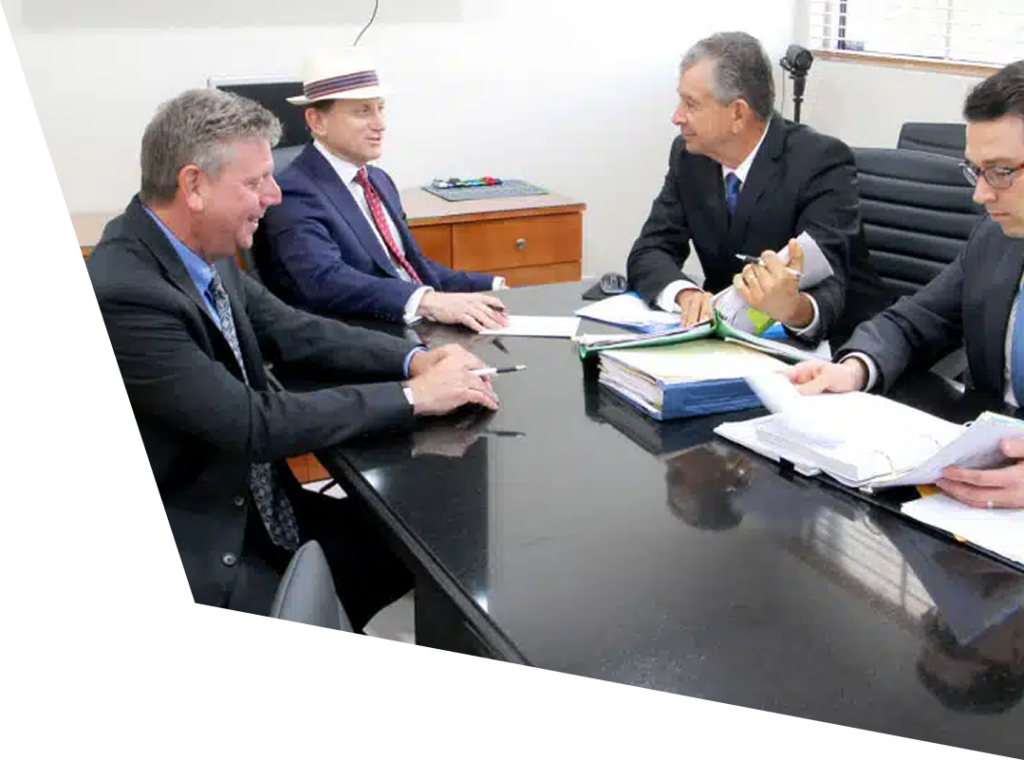
Surfside’s size works differently than a bigger coastal city. Fewer high-rises, more foot traffic at street level, and a resident population that tends to know its own blocks well. That familiarity matters when we are piecing together what happened on a specific stretch of sidewalk or at a particular intersection.
About Surfside
Surfside sits on a narrow strip of land between Bal Harbour and Miami Beach, bordered by the Atlantic Ocean to the east and Indian Creek to the west. It has stayed smaller and lower to the ground than its neighbors. Where Bal Harbour and Miami Beach lean toward high-rise towers, Surfside is still mostly low-rise buildings, many of them built decades ago and showing their age in ways that matter for injury claims: aging balconies, older plumbing that leads to unexpected leaks, elevators and stairwells that have not always kept pace with current safety codes.
Collins Avenue runs the length of the town and carries a steady mix of local traffic, beachgoers, and vehicles cutting through from Bal Harbour to the north. Harding Avenue, one block inland, is the town’s real commercial spine. It is walkable, lined with small restaurants, bakeries, and shops, and it draws a lot of foot and bicycle traffic, especially in the morning and around dinner hours. The town’s small size means residents and visitors alike tend to move around on foot far more than in most South Florida communities, which is part of what gives Surfside its character.
That same walkability, combined with an older building stock, is exactly why injury claims here often turn on questions of property maintenance and traffic design rather than dramatic, high-speed collisions.
Where injuries happen here
Certain locations in Surfside come up again and again in the injury claims we review. Collins Avenue, particularly near the intersections with 88th Street and 96th Street, sees a steady flow of turning vehicles and beach traffic, which creates conditions for car and pedestrian collisions. Harding Avenue’s narrow sidewalks and closely spaced storefronts mean pedestrians, cyclists, and delivery vehicles are often sharing very tight space, especially near the busier blocks around 95th Street.
Beachfront access points and the public parking areas near the town’s beach walkways are another common source of claims, from uneven pavement to poorly lit stairwells leading down to the sand. And because so much of Surfside’s residential building stock is older, we also see a steady number of premises liability claims tied to condo common areas, pool decks, and parking garages where maintenance has not kept up with wear and tear.
We are not pointing to any of this to suggest a location is unsafe. We are describing it because knowing the terrain helps us understand what evidence to look for and how a specific stretch of sidewalk, parking area, or intersection actually functions day to day.
- Biscayne Boulevard (US-1), especially near the Surfside Mall entrances, where retail traffic mixes with commuters at several signalized intersections.
- The William Lehman Causeway, where causeway traffic merges with local streets on both the Surfside side and the barrier island side, particularly on weekends.
- Condo and apartment parking garages, where lighting, ramps, and pedestrian walkways are often the source of a fall or a security incident.
- Elevators and lobbies in the high-rise towers along the waterway, where maintenance and access control are the building's responsibility, not the resident's.
- Surfside Mall's parking structures and walkways, which see heavy foot traffic every day of the week, not just weekends.

Getting to our office
Our office is a short drive from Surfside, generally around 10 to 15 minutes depending on traffic on Collins Avenue or the Broad Causeway. Most clients drive over, but if getting to us is difficult because of your injuries, tell us when you call. We can talk through options, including meeting you where it works, so a trip to our office is never the reason a claim doesn’t move forward.
FAQ
Do I have to come to your office if I live in Surfside?
No. Many clients prefer to handle things by phone, especially early on. If travel is difficult because of your injuries, tell us and we will work out an approach that doesn't require an office visit.
I was hurt on the sidewalk near Harding Avenue. Is that a valid claim?
It can be, depending on what caused the fall or collision and who was responsible for maintaining that area. Sidewalk and walkway conditions along Harding Avenue's commercial strip are something we look at closely, since ownership and maintenance responsibility can vary from block to block.
How long do I have to file a claim in Florida?
Florida sets deadlines for filing injury claims, and they vary depending on the type of claim. Deadlines can be shorter when a government entity is involved. Rather than rely on a general number, call us so we can look at your specific situation.
What if my accident happened on the beach or near a beach access point in Surfside?
Injuries near beach access stairs, public parking, or walkways can involve the town, a private property owner, or both, depending on exactly where the incident occurred. We review the location carefully before determining who may be responsible.
Every case starts the same way: we listen to what happened, ask questions, and tell you honestly whether we think we can help. There is no charge for that conversation, and there is no pressure attached to it.
Free case review
If you were hurt in Surfside, the first step is a free case review. We will ask what happened, where, and what kind of medical care you have gotten so far. From there we can explain, in plain terms, what your options look like. Florida sets deadlines for filing injury claims, and those deadlines vary depending on the type of claim and can be shorter when a government entity is involved. Rather than guess at a number that may not apply to your situation, call us and we will tell you where things stand.
Helping those Injured in Accidents Across Florida
While we are proud to call Miami and Aventura home, we are also more than happy to help injured people living anywhere in the Sunshine State. In fact, we’ve even been known to travel all around the country just to meet our clients’ needs.
We are here to help the residents of: