
Call Or Text 24x7
- About Us
- Practice Areas
- Injuries
- FAQs
- Articles
- Location
- Service AreasAventura, FL
- Personal Injury Lawyer
- Car Accident Lawyer
- Slip and Fall Lawyer
- Truck Accident Lawyer
- Motorcycle Accident Lawyer
- Pedestrian Accident Lawyer
- Bicycle Accident Lawyer
- Rideshare Accident Lawyer
- Bus Accident Lawyer
- Wrongful Death Lawyer
- Premises Liability Lawyer
- Negligent Security Lawyer
- Dog Bite Lawyer
- Nursing Home Abuse Lawyer
- Medical Malpractice Lawyer
- Brain Injury Lawyer
- Spinal Cord Injury Lawyer
- Catastrophic Injury Lawyer
- Burn Injury Lawyer
- Construction Accident Lawyer
- Boating Accident Lawyer
- Cruise Ship Accident Lawyer
- Product Liability Lawyer
- DUI Accident Lawyer
- Hit and Run Lawyer
- Rear-End Collision Lawyer
- Underinsured Motorist Lawyer
- HOA Negligence Injury Lawyer
Hialeah, FL- Personal Injury Lawyer
- Car Accident Lawyer
- Slip and Fall Lawyer
- Truck Accident Lawyer
- Motorcycle Accident Lawyer
- Pedestrian Accident Lawyer
- Bicycle Accident Lawyer
- Rideshare Accident Lawyer
- Bus Accident Lawyer
- Wrongful Death Lawyer
- Premises Liability Lawyer
- Negligent Security Lawyer
- Dog Bite Lawyer
- Nursing Home Abuse Lawyer
- Medical Malpractice Lawyer
- Brain Injury Lawyer
- Spinal Cord Injury Lawyer
- Catastrophic Injury Lawyer
- Burn Injury Lawyer
- Construction Accident Lawyer
- Boating Accident Lawyer
- Cruise Ship Accident Lawyer
- Product Liability Lawyer
- DUI Accident Lawyer
- Hit and Run Lawyer
- Rear-End Collision Lawyer
- Underinsured Motorist Lawyer
- HOA Negligence Injury Lawyer
Sunny Isles Beach, FL- Personal Injury Lawyer
- Car Accident Lawyer
- Slip and Fall Lawyer
- Truck Accident Lawyer
- Motorcycle Accident Lawyer
- Pedestrian Accident Lawyer
- Bicycle Accident Lawyer
- Rideshare Accident Lawyer
- Bus Accident Lawyer
- Wrongful Death Lawyer
- Premises Liability Lawyer
- Negligent Security Lawyer
- Dog Bite Lawyer
- Nursing Home Abuse Lawyer
- Medical Malpractice Lawyer
- Brain Injury Lawyer
- Spinal Cord Injury Lawyer
- Catastrophic Injury Lawyer
- Burn Injury Lawyer
- Construction Accident Lawyer
- Boating Accident Lawyer
- Cruise Ship Accident Lawyer
- Product Liability Lawyer
- DUI Accident Lawyer
- Hit and Run Lawyer
- Rear-End Collision Lawyer
- Underinsured Motorist Lawyer
- HOA Negligence Injury Lawyer
Golden Beach, FL- Personal Injury Lawyer
- Car Accident Lawyer
- Slip and Fall Lawyer
- Truck Accident Lawyer
- Motorcycle Accident Lawyer
- Pedestrian Accident Lawyer
- Bicycle Accident Lawyer
- Rideshare Accident Lawyer
- Bus Accident Lawyer
- Wrongful Death Lawyer
- Premises Liability Lawyer
- Negligent Security Lawyer
- Dog Bite Lawyer
- Nursing Home Abuse Lawyer
- Medical Malpractice Lawyer
- Brain Injury Lawyer
- Spinal Cord Injury Lawyer
- Catastrophic Injury Lawyer
- Burn Injury Lawyer
- Construction Accident Lawyer
- Boating Accident Lawyer
- Cruise Ship Accident Lawyer
- Product Liability Lawyer
- DUI Accident Lawyer
- Hit and Run Lawyer
- Rear-End Collision Lawyer
- Underinsured Motorist Lawyer
- HOA Negligence Injury Lawyer
Hallandale Beach, FL- Personal Injury Lawyer
- Car Accident Lawyer
- Slip and Fall Lawyer
- Truck Accident Lawyer
- Motorcycle Accident Lawyer
- Pedestrian Accident Lawyer
- Bicycle Accident Lawyer
- Rideshare Accident Lawyer
- Bus Accident Lawyer
- Wrongful Death Lawyer
- Premises Liability Lawyer
- Negligent Security Lawyer
- Dog Bite Lawyer
- Nursing Home Abuse Lawyer
- Medical Malpractice Lawyer
- Brain Injury Lawyer
- Spinal Cord Injury Lawyer
- Catastrophic Injury Lawyer
- Burn Injury Lawyer
- Construction Accident Lawyer
- Boating Accident Lawyer
- Cruise Ship Accident Lawyer
- Product Liability Lawyer
- DUI Accident Lawyer
- Hit and Run Lawyer
- Rear-End Collision Lawyer
- Underinsured Motorist Lawyer
- HOA Negligence Injury Lawyer
Bal Harbour, FL- Personal Injury Lawyer
- Car Accident Lawyer
- Slip and Fall Lawyer
- Truck Accident Lawyer
- Motorcycle Accident Lawyer
- Pedestrian Accident Lawyer
- Bicycle Accident Lawyer
- Rideshare Accident Lawyer
- Bus Accident Lawyer
- Wrongful Death Lawyer
- Premises Liability Lawyer
- Negligent Security Lawyer
- Dog Bite Lawyer
- Nursing Home Abuse Lawyer
- Medical Malpractice Lawyer
- Brain Injury Lawyer
- Spinal Cord Injury Lawyer
- Catastrophic Injury Lawyer
- Burn Injury Lawyer
- Construction Accident Lawyer
- Boating Accident Lawyer
- Cruise Ship Accident Lawyer
- Product Liability Lawyer
- DUI Accident Lawyer
- Hit and Run Lawyer
- Rear-End Collision Lawyer
- Underinsured Motorist Lawyer
- HOA Negligence Injury Lawyer
Bay Harbor Islands, FL- Personal Injury Lawyer
- Car Accident Lawyer
- Slip and Fall Lawyer
- Truck Accident Lawyer
- Motorcycle Accident Lawyer
- Pedestrian Accident Lawyer
- Bicycle Accident Lawyer
- Rideshare Accident Lawyer
- Bus Accident Lawyer
- Wrongful Death Lawyer
- Premises Liability Lawyer
- Negligent Security Lawyer
- Dog Bite Lawyer
- Nursing Home Abuse Lawyer
- Medical Malpractice Lawyer
- Brain Injury Lawyer
- Spinal Cord Injury Lawyer
- Catastrophic Injury Lawyer
- Burn Injury Lawyer
- Construction Accident Lawyer
- Boating Accident Lawyer
- Cruise Ship Accident Lawyer
- Product Liability Lawyer
- DUI Accident Lawyer
- Hit and Run Lawyer
- Rear-End Collision Lawyer
- Underinsured Motorist Lawyer
- HOA Negligence Injury Lawyer
Surfside, FL- Personal Injury Lawyer
- Car Accident Lawyer
- Slip and Fall Lawyer
- Truck Accident Lawyer
- Motorcycle Accident Lawyer
- Pedestrian Accident Lawyer
- Bicycle Accident Lawyer
- Rideshare Accident Lawyer
- Bus Accident Lawyer
- Wrongful Death Lawyer
- Premises Liability Lawyer
- Negligent Security Lawyer
- Dog Bite Lawyer
- Nursing Home Abuse Lawyer
- Medical Malpractice Lawyer
- Brain Injury Lawyer
- Spinal Cord Injury Lawyer
- Catastrophic Injury Lawyer
- Burn Injury Lawyer
- Construction Accident Lawyer
- Boating Accident Lawyer
- Cruise Ship Accident Lawyer
- Product Liability Lawyer
- DUI Accident Lawyer
- Hit and Run Lawyer
- Rear-End Collision Lawyer
- Underinsured Motorist Lawyer
- HOA Negligence Injury Lawyer
Eastern Shores, FL- Personal Injury Lawyer
- Car Accident Lawyer
- Slip and Fall Lawyer
- Truck Accident Lawyer
- Motorcycle Accident Lawyer
- Pedestrian Accident Lawyer
- Bicycle Accident Lawyer
- Rideshare Accident Lawyer
- Bus Accident Lawyer
- Wrongful Death Lawyer
- Premises Liability Lawyer
- Negligent Security Lawyer
- Dog Bite Lawyer
- Nursing Home Abuse Lawyer
- Medical Malpractice Lawyer
- Brain Injury Lawyer
- Spinal Cord Injury Lawyer
- Catastrophic Injury Lawyer
- Burn Injury Lawyer
- Construction Accident Lawyer
- Boating Accident Lawyer
- Cruise Ship Accident Lawyer
- Product Liability Lawyer
- DUI Accident Lawyer
- Hit and Run Lawyer
- Rear-End Collision Lawyer
- Underinsured Motorist Lawyer
- HOA Negligence Injury Lawyer
Ives Estates, FL- Personal Injury Lawyer
- Car Accident Lawyer
- Slip and Fall Lawyer
- Truck Accident Lawyer
- Motorcycle Accident Lawyer
- Pedestrian Accident Lawyer
- Bicycle Accident Lawyer
- Rideshare Accident Lawyer
- Bus Accident Lawyer
- Wrongful Death Lawyer
- Premises Liability Lawyer
- Negligent Security Lawyer
- Dog Bite Lawyer
- Nursing Home Abuse Lawyer
- Medical Malpractice Lawyer
- Brain Injury Lawyer
- Spinal Cord Injury Lawyer
- Catastrophic Injury Lawyer
- Burn Injury Lawyer
- Construction Accident Lawyer
- Boating Accident Lawyer
- Cruise Ship Accident Lawyer
- Product Liability Lawyer
- DUI Accident Lawyer
- Hit and Run Lawyer
- Rear-End Collision Lawyer
- Underinsured Motorist Lawyer
- HOA Negligence Injury Lawyer
North Miami Beach, FL- Personal Injury Lawyer
- Car Accident Lawyer
- Slip and Fall Lawyer
- Truck Accident Lawyer
- Motorcycle Accident Lawyer
- Pedestrian Accident Lawyer
- Bicycle Accident Lawyer
- Rideshare Accident Lawyer
- Bus Accident Lawyer
- Wrongful Death Lawyer
- Premises Liability Lawyer
- Negligent Security Lawyer
- Dog Bite Lawyer
- Nursing Home Abuse Lawyer
- Medical Malpractice Lawyer
- Brain Injury Lawyer
- Spinal Cord Injury Lawyer
- Catastrophic Injury Lawyer
- Burn Injury Lawyer
- Construction Accident Lawyer
- Boating Accident Lawyer
- Cruise Ship Accident Lawyer
- Product Liability Lawyer
- DUI Accident Lawyer
- Hit and Run Lawyer
- Rear-End Collision Lawyer
- Underinsured Motorist Lawyer
- HOA Negligence Injury Lawyer
North Miami, FL- Personal Injury Lawyer
- Car Accident Lawyer
- Slip and Fall Lawyer
- Truck Accident Lawyer
- Motorcycle Accident Lawyer
- Pedestrian Accident Lawyer
- Bicycle Accident Lawyer
- Rideshare Accident Lawyer
- Bus Accident Lawyer
- Wrongful Death Lawyer
- Premises Liability Lawyer
- Negligent Security Lawyer
- Dog Bite Lawyer
- Nursing Home Abuse Lawyer
- Medical Malpractice Lawyer
- Brain Injury Lawyer
- Spinal Cord Injury Lawyer
- Catastrophic Injury Lawyer
- Burn Injury Lawyer
- Construction Accident Lawyer
- Boating Accident Lawyer
- Cruise Ship Accident Lawyer
- Product Liability Lawyer
- DUI Accident Lawyer
- Hit and Run Lawyer
- Rear-End Collision Lawyer
- Underinsured Motorist Lawyer
- HOA Negligence Injury Lawyer
Miami Gardens, FL- Personal Injury Lawyer
- Car Accident Lawyer
- Slip and Fall Lawyer
- Truck Accident Lawyer
- Motorcycle Accident Lawyer
- Pedestrian Accident Lawyer
- Bicycle Accident Lawyer
- Rideshare Accident Lawyer
- Bus Accident Lawyer
- Wrongful Death Lawyer
- Premises Liability Lawyer
- Negligent Security Lawyer
- Dog Bite Lawyer
- Nursing Home Abuse Lawyer
- Medical Malpractice Lawyer
- Brain Injury Lawyer
- Spinal Cord Injury Lawyer
- Catastrophic Injury Lawyer
- Burn Injury Lawyer
- Construction Accident Lawyer
- Boating Accident Lawyer
- Cruise Ship Accident Lawyer
- Product Liability Lawyer
- DUI Accident Lawyer
- Hit and Run Lawyer
- Rear-End Collision Lawyer
- Underinsured Motorist Lawyer
- HOA Negligence Injury Lawyer
Dania Beach, FL- Personal Injury Lawyer
- Car Accident Lawyer
- Slip and Fall Lawyer
- Truck Accident Lawyer
- Motorcycle Accident Lawyer
- Pedestrian Accident Lawyer
- Bicycle Accident Lawyer
- Rideshare Accident Lawyer
- Bus Accident Lawyer
- Wrongful Death Lawyer
- Premises Liability Lawyer
- Negligent Security Lawyer
- Dog Bite Lawyer
- Nursing Home Abuse Lawyer
- Medical Malpractice Lawyer
- Brain Injury Lawyer
- Spinal Cord Injury Lawyer
- Catastrophic Injury Lawyer
- Burn Injury Lawyer
- Construction Accident Lawyer
- Boating Accident Lawyer
- Cruise Ship Accident Lawyer
- Product Liability Lawyer
- DUI Accident Lawyer
- Hit and Run Lawyer
- Rear-End Collision Lawyer
- Underinsured Motorist Lawyer
- HOA Negligence Injury Lawyer
Miramar, FL- Personal Injury Lawyer
- Car Accident Lawyer
- Slip and Fall Lawyer
- Truck Accident Lawyer
- Motorcycle Accident Lawyer
- Pedestrian Accident Lawyer
- Bicycle Accident Lawyer
- Rideshare Accident Lawyer
- Bus Accident Lawyer
- Wrongful Death Lawyer
- Premises Liability Lawyer
- Negligent Security Lawyer
- Dog Bite Lawyer
- Nursing Home Abuse Lawyer
- Medical Malpractice Lawyer
- Brain Injury Lawyer
- Spinal Cord Injury Lawyer
- Catastrophic Injury Lawyer
- Burn Injury Lawyer
- Construction Accident Lawyer
- Boating Accident Lawyer
- Cruise Ship Accident Lawyer
- Product Liability Lawyer
- DUI Accident Lawyer
- Hit and Run Lawyer
- Rear-End Collision Lawyer
- Underinsured Motorist Lawyer
- HOA Negligence Injury Lawyer
Miami Lakes, FL- Personal Injury Lawyer
- Car Accident Lawyer
- Slip and Fall Lawyer
- Truck Accident Lawyer
- Motorcycle Accident Lawyer
- Pedestrian Accident Lawyer
- Bicycle Accident Lawyer
- Rideshare Accident Lawyer
- Bus Accident Lawyer
- Wrongful Death Lawyer
- Premises Liability Lawyer
- Negligent Security Lawyer
- Dog Bite Lawyer
- Nursing Home Abuse Lawyer
- Medical Malpractice Lawyer
- Brain Injury Lawyer
- Spinal Cord Injury Lawyer
- Catastrophic Injury Lawyer
- Burn Injury Lawyer
- Construction Accident Lawyer
- Boating Accident Lawyer
- Cruise Ship Accident Lawyer
- Product Liability Lawyer
- DUI Accident Lawyer
- Hit and Run Lawyer
- Rear-End Collision Lawyer
- Underinsured Motorist Lawyer
- HOA Negligence Injury Lawyer
Opa-Locka, FL- Personal Injury Lawyer
- Car Accident Lawyer
- Slip and Fall Lawyer
- Truck Accident Lawyer
- Motorcycle Accident Lawyer
- Pedestrian Accident Lawyer
- Bicycle Accident Lawyer
- Rideshare Accident Lawyer
- Bus Accident Lawyer
- Wrongful Death Lawyer
- Premises Liability Lawyer
- Negligent Security Lawyer
- Dog Bite Lawyer
- Nursing Home Abuse Lawyer
- Medical Malpractice Lawyer
- Brain Injury Lawyer
- Spinal Cord Injury Lawyer
- Catastrophic Injury Lawyer
- Burn Injury Lawyer
- Construction Accident Lawyer
- Boating Accident Lawyer
- Cruise Ship Accident Lawyer
- Product Liability Lawyer
- DUI Accident Lawyer
- Hit and Run Lawyer
- Rear-End Collision Lawyer
- Underinsured Motorist Lawyer
- HOA Negligence Injury Lawyer
Hollywood, FL- Personal Injury Lawyer
- Car Accident Lawyer
- Slip and Fall Lawyer
- Truck Accident Lawyer
- Motorcycle Accident Lawyer
- Pedestrian Accident Lawyer
- Bicycle Accident Lawyer
- Rideshare Accident Lawyer
- Bus Accident Lawyer
- Wrongful Death Lawyer
- Premises Liability Lawyer
- Negligent Security Lawyer
- Dog Bite Lawyer
- Nursing Home Abuse Lawyer
- Medical Malpractice Lawyer
- Brain Injury Lawyer
- Spinal Cord Injury Lawyer
- Catastrophic Injury Lawyer
- Burn Injury Lawyer
- Construction Accident Lawyer
- Boating Accident Lawyer
- Cruise Ship Accident Lawyer
- Product Liability Lawyer
- DUI Accident Lawyer
- Hit and Run Lawyer
- Rear-End Collision Lawyer
- Underinsured Motorist Lawyer
- HOA Negligence Injury Lawyer
- About Us
- Practice Areas
- Injuries
- FAQs
- Articles
- Location
- Service AreasAventura, FL
- Personal Injury Lawyer
- Car Accident Lawyer
- Slip and Fall Lawyer
- Truck Accident Lawyer
- Motorcycle Accident Lawyer
- Pedestrian Accident Lawyer
- Bicycle Accident Lawyer
- Rideshare Accident Lawyer
- Bus Accident Lawyer
- Wrongful Death Lawyer
- Premises Liability Lawyer
- Negligent Security Lawyer
- Dog Bite Lawyer
- Nursing Home Abuse Lawyer
- Medical Malpractice Lawyer
- Brain Injury Lawyer
- Spinal Cord Injury Lawyer
- Catastrophic Injury Lawyer
- Burn Injury Lawyer
- Construction Accident Lawyer
- Boating Accident Lawyer
- Cruise Ship Accident Lawyer
- Product Liability Lawyer
- DUI Accident Lawyer
- Hit and Run Lawyer
- Rear-End Collision Lawyer
- Underinsured Motorist Lawyer
- HOA Negligence Injury Lawyer
Hialeah, FL- Personal Injury Lawyer
- Car Accident Lawyer
- Slip and Fall Lawyer
- Truck Accident Lawyer
- Motorcycle Accident Lawyer
- Pedestrian Accident Lawyer
- Bicycle Accident Lawyer
- Rideshare Accident Lawyer
- Bus Accident Lawyer
- Wrongful Death Lawyer
- Premises Liability Lawyer
- Negligent Security Lawyer
- Dog Bite Lawyer
- Nursing Home Abuse Lawyer
- Medical Malpractice Lawyer
- Brain Injury Lawyer
- Spinal Cord Injury Lawyer
- Catastrophic Injury Lawyer
- Burn Injury Lawyer
- Construction Accident Lawyer
- Boating Accident Lawyer
- Cruise Ship Accident Lawyer
- Product Liability Lawyer
- DUI Accident Lawyer
- Hit and Run Lawyer
- Rear-End Collision Lawyer
- Underinsured Motorist Lawyer
- HOA Negligence Injury Lawyer
Sunny Isles Beach, FL- Personal Injury Lawyer
- Car Accident Lawyer
- Slip and Fall Lawyer
- Truck Accident Lawyer
- Motorcycle Accident Lawyer
- Pedestrian Accident Lawyer
- Bicycle Accident Lawyer
- Rideshare Accident Lawyer
- Bus Accident Lawyer
- Wrongful Death Lawyer
- Premises Liability Lawyer
- Negligent Security Lawyer
- Dog Bite Lawyer
- Nursing Home Abuse Lawyer
- Medical Malpractice Lawyer
- Brain Injury Lawyer
- Spinal Cord Injury Lawyer
- Catastrophic Injury Lawyer
- Burn Injury Lawyer
- Construction Accident Lawyer
- Boating Accident Lawyer
- Cruise Ship Accident Lawyer
- Product Liability Lawyer
- DUI Accident Lawyer
- Hit and Run Lawyer
- Rear-End Collision Lawyer
- Underinsured Motorist Lawyer
- HOA Negligence Injury Lawyer
Golden Beach, FL- Personal Injury Lawyer
- Car Accident Lawyer
- Slip and Fall Lawyer
- Truck Accident Lawyer
- Motorcycle Accident Lawyer
- Pedestrian Accident Lawyer
- Bicycle Accident Lawyer
- Rideshare Accident Lawyer
- Bus Accident Lawyer
- Wrongful Death Lawyer
- Premises Liability Lawyer
- Negligent Security Lawyer
- Dog Bite Lawyer
- Nursing Home Abuse Lawyer
- Medical Malpractice Lawyer
- Brain Injury Lawyer
- Spinal Cord Injury Lawyer
- Catastrophic Injury Lawyer
- Burn Injury Lawyer
- Construction Accident Lawyer
- Boating Accident Lawyer
- Cruise Ship Accident Lawyer
- Product Liability Lawyer
- DUI Accident Lawyer
- Hit and Run Lawyer
- Rear-End Collision Lawyer
- Underinsured Motorist Lawyer
- HOA Negligence Injury Lawyer
Hallandale Beach, FL- Personal Injury Lawyer
- Car Accident Lawyer
- Slip and Fall Lawyer
- Truck Accident Lawyer
- Motorcycle Accident Lawyer
- Pedestrian Accident Lawyer
- Bicycle Accident Lawyer
- Rideshare Accident Lawyer
- Bus Accident Lawyer
- Wrongful Death Lawyer
- Premises Liability Lawyer
- Negligent Security Lawyer
- Dog Bite Lawyer
- Nursing Home Abuse Lawyer
- Medical Malpractice Lawyer
- Brain Injury Lawyer
- Spinal Cord Injury Lawyer
- Catastrophic Injury Lawyer
- Burn Injury Lawyer
- Construction Accident Lawyer
- Boating Accident Lawyer
- Cruise Ship Accident Lawyer
- Product Liability Lawyer
- DUI Accident Lawyer
- Hit and Run Lawyer
- Rear-End Collision Lawyer
- Underinsured Motorist Lawyer
- HOA Negligence Injury Lawyer
Bal Harbour, FL- Personal Injury Lawyer
- Car Accident Lawyer
- Slip and Fall Lawyer
- Truck Accident Lawyer
- Motorcycle Accident Lawyer
- Pedestrian Accident Lawyer
- Bicycle Accident Lawyer
- Rideshare Accident Lawyer
- Bus Accident Lawyer
- Wrongful Death Lawyer
- Premises Liability Lawyer
- Negligent Security Lawyer
- Dog Bite Lawyer
- Nursing Home Abuse Lawyer
- Medical Malpractice Lawyer
- Brain Injury Lawyer
- Spinal Cord Injury Lawyer
- Catastrophic Injury Lawyer
- Burn Injury Lawyer
- Construction Accident Lawyer
- Boating Accident Lawyer
- Cruise Ship Accident Lawyer
- Product Liability Lawyer
- DUI Accident Lawyer
- Hit and Run Lawyer
- Rear-End Collision Lawyer
- Underinsured Motorist Lawyer
- HOA Negligence Injury Lawyer
Bay Harbor Islands, FL- Personal Injury Lawyer
- Car Accident Lawyer
- Slip and Fall Lawyer
- Truck Accident Lawyer
- Motorcycle Accident Lawyer
- Pedestrian Accident Lawyer
- Bicycle Accident Lawyer
- Rideshare Accident Lawyer
- Bus Accident Lawyer
- Wrongful Death Lawyer
- Premises Liability Lawyer
- Negligent Security Lawyer
- Dog Bite Lawyer
- Nursing Home Abuse Lawyer
- Medical Malpractice Lawyer
- Brain Injury Lawyer
- Spinal Cord Injury Lawyer
- Catastrophic Injury Lawyer
- Burn Injury Lawyer
- Construction Accident Lawyer
- Boating Accident Lawyer
- Cruise Ship Accident Lawyer
- Product Liability Lawyer
- DUI Accident Lawyer
- Hit and Run Lawyer
- Rear-End Collision Lawyer
- Underinsured Motorist Lawyer
- HOA Negligence Injury Lawyer
Surfside, FL- Personal Injury Lawyer
- Car Accident Lawyer
- Slip and Fall Lawyer
- Truck Accident Lawyer
- Motorcycle Accident Lawyer
- Pedestrian Accident Lawyer
- Bicycle Accident Lawyer
- Rideshare Accident Lawyer
- Bus Accident Lawyer
- Wrongful Death Lawyer
- Premises Liability Lawyer
- Negligent Security Lawyer
- Dog Bite Lawyer
- Nursing Home Abuse Lawyer
- Medical Malpractice Lawyer
- Brain Injury Lawyer
- Spinal Cord Injury Lawyer
- Catastrophic Injury Lawyer
- Burn Injury Lawyer
- Construction Accident Lawyer
- Boating Accident Lawyer
- Cruise Ship Accident Lawyer
- Product Liability Lawyer
- DUI Accident Lawyer
- Hit and Run Lawyer
- Rear-End Collision Lawyer
- Underinsured Motorist Lawyer
- HOA Negligence Injury Lawyer
Eastern Shores, FL- Personal Injury Lawyer
- Car Accident Lawyer
- Slip and Fall Lawyer
- Truck Accident Lawyer
- Motorcycle Accident Lawyer
- Pedestrian Accident Lawyer
- Bicycle Accident Lawyer
- Rideshare Accident Lawyer
- Bus Accident Lawyer
- Wrongful Death Lawyer
- Premises Liability Lawyer
- Negligent Security Lawyer
- Dog Bite Lawyer
- Nursing Home Abuse Lawyer
- Medical Malpractice Lawyer
- Brain Injury Lawyer
- Spinal Cord Injury Lawyer
- Catastrophic Injury Lawyer
- Burn Injury Lawyer
- Construction Accident Lawyer
- Boating Accident Lawyer
- Cruise Ship Accident Lawyer
- Product Liability Lawyer
- DUI Accident Lawyer
- Hit and Run Lawyer
- Rear-End Collision Lawyer
- Underinsured Motorist Lawyer
- HOA Negligence Injury Lawyer
Ives Estates, FL- Personal Injury Lawyer
- Car Accident Lawyer
- Slip and Fall Lawyer
- Truck Accident Lawyer
- Motorcycle Accident Lawyer
- Pedestrian Accident Lawyer
- Bicycle Accident Lawyer
- Rideshare Accident Lawyer
- Bus Accident Lawyer
- Wrongful Death Lawyer
- Premises Liability Lawyer
- Negligent Security Lawyer
- Dog Bite Lawyer
- Nursing Home Abuse Lawyer
- Medical Malpractice Lawyer
- Brain Injury Lawyer
- Spinal Cord Injury Lawyer
- Catastrophic Injury Lawyer
- Burn Injury Lawyer
- Construction Accident Lawyer
- Boating Accident Lawyer
- Cruise Ship Accident Lawyer
- Product Liability Lawyer
- DUI Accident Lawyer
- Hit and Run Lawyer
- Rear-End Collision Lawyer
- Underinsured Motorist Lawyer
- HOA Negligence Injury Lawyer
North Miami Beach, FL- Personal Injury Lawyer
- Car Accident Lawyer
- Slip and Fall Lawyer
- Truck Accident Lawyer
- Motorcycle Accident Lawyer
- Pedestrian Accident Lawyer
- Bicycle Accident Lawyer
- Rideshare Accident Lawyer
- Bus Accident Lawyer
- Wrongful Death Lawyer
- Premises Liability Lawyer
- Negligent Security Lawyer
- Dog Bite Lawyer
- Nursing Home Abuse Lawyer
- Medical Malpractice Lawyer
- Brain Injury Lawyer
- Spinal Cord Injury Lawyer
- Catastrophic Injury Lawyer
- Burn Injury Lawyer
- Construction Accident Lawyer
- Boating Accident Lawyer
- Cruise Ship Accident Lawyer
- Product Liability Lawyer
- DUI Accident Lawyer
- Hit and Run Lawyer
- Rear-End Collision Lawyer
- Underinsured Motorist Lawyer
- HOA Negligence Injury Lawyer
North Miami, FL- Personal Injury Lawyer
- Car Accident Lawyer
- Slip and Fall Lawyer
- Truck Accident Lawyer
- Motorcycle Accident Lawyer
- Pedestrian Accident Lawyer
- Bicycle Accident Lawyer
- Rideshare Accident Lawyer
- Bus Accident Lawyer
- Wrongful Death Lawyer
- Premises Liability Lawyer
- Negligent Security Lawyer
- Dog Bite Lawyer
- Nursing Home Abuse Lawyer
- Medical Malpractice Lawyer
- Brain Injury Lawyer
- Spinal Cord Injury Lawyer
- Catastrophic Injury Lawyer
- Burn Injury Lawyer
- Construction Accident Lawyer
- Boating Accident Lawyer
- Cruise Ship Accident Lawyer
- Product Liability Lawyer
- DUI Accident Lawyer
- Hit and Run Lawyer
- Rear-End Collision Lawyer
- Underinsured Motorist Lawyer
- HOA Negligence Injury Lawyer
Miami Gardens, FL- Personal Injury Lawyer
- Car Accident Lawyer
- Slip and Fall Lawyer
- Truck Accident Lawyer
- Motorcycle Accident Lawyer
- Pedestrian Accident Lawyer
- Bicycle Accident Lawyer
- Rideshare Accident Lawyer
- Bus Accident Lawyer
- Wrongful Death Lawyer
- Premises Liability Lawyer
- Negligent Security Lawyer
- Dog Bite Lawyer
- Nursing Home Abuse Lawyer
- Medical Malpractice Lawyer
- Brain Injury Lawyer
- Spinal Cord Injury Lawyer
- Catastrophic Injury Lawyer
- Burn Injury Lawyer
- Construction Accident Lawyer
- Boating Accident Lawyer
- Cruise Ship Accident Lawyer
- Product Liability Lawyer
- DUI Accident Lawyer
- Hit and Run Lawyer
- Rear-End Collision Lawyer
- Underinsured Motorist Lawyer
- HOA Negligence Injury Lawyer
Dania Beach, FL- Personal Injury Lawyer
- Car Accident Lawyer
- Slip and Fall Lawyer
- Truck Accident Lawyer
- Motorcycle Accident Lawyer
- Pedestrian Accident Lawyer
- Bicycle Accident Lawyer
- Rideshare Accident Lawyer
- Bus Accident Lawyer
- Wrongful Death Lawyer
- Premises Liability Lawyer
- Negligent Security Lawyer
- Dog Bite Lawyer
- Nursing Home Abuse Lawyer
- Medical Malpractice Lawyer
- Brain Injury Lawyer
- Spinal Cord Injury Lawyer
- Catastrophic Injury Lawyer
- Burn Injury Lawyer
- Construction Accident Lawyer
- Boating Accident Lawyer
- Cruise Ship Accident Lawyer
- Product Liability Lawyer
- DUI Accident Lawyer
- Hit and Run Lawyer
- Rear-End Collision Lawyer
- Underinsured Motorist Lawyer
- HOA Negligence Injury Lawyer
Miramar, FL- Personal Injury Lawyer
- Car Accident Lawyer
- Slip and Fall Lawyer
- Truck Accident Lawyer
- Motorcycle Accident Lawyer
- Pedestrian Accident Lawyer
- Bicycle Accident Lawyer
- Rideshare Accident Lawyer
- Bus Accident Lawyer
- Wrongful Death Lawyer
- Premises Liability Lawyer
- Negligent Security Lawyer
- Dog Bite Lawyer
- Nursing Home Abuse Lawyer
- Medical Malpractice Lawyer
- Brain Injury Lawyer
- Spinal Cord Injury Lawyer
- Catastrophic Injury Lawyer
- Burn Injury Lawyer
- Construction Accident Lawyer
- Boating Accident Lawyer
- Cruise Ship Accident Lawyer
- Product Liability Lawyer
- DUI Accident Lawyer
- Hit and Run Lawyer
- Rear-End Collision Lawyer
- Underinsured Motorist Lawyer
- HOA Negligence Injury Lawyer
Miami Lakes, FL- Personal Injury Lawyer
- Car Accident Lawyer
- Slip and Fall Lawyer
- Truck Accident Lawyer
- Motorcycle Accident Lawyer
- Pedestrian Accident Lawyer
- Bicycle Accident Lawyer
- Rideshare Accident Lawyer
- Bus Accident Lawyer
- Wrongful Death Lawyer
- Premises Liability Lawyer
- Negligent Security Lawyer
- Dog Bite Lawyer
- Nursing Home Abuse Lawyer
- Medical Malpractice Lawyer
- Brain Injury Lawyer
- Spinal Cord Injury Lawyer
- Catastrophic Injury Lawyer
- Burn Injury Lawyer
- Construction Accident Lawyer
- Boating Accident Lawyer
- Cruise Ship Accident Lawyer
- Product Liability Lawyer
- DUI Accident Lawyer
- Hit and Run Lawyer
- Rear-End Collision Lawyer
- Underinsured Motorist Lawyer
- HOA Negligence Injury Lawyer
Opa-Locka, FL- Personal Injury Lawyer
- Car Accident Lawyer
- Slip and Fall Lawyer
- Truck Accident Lawyer
- Motorcycle Accident Lawyer
- Pedestrian Accident Lawyer
- Bicycle Accident Lawyer
- Rideshare Accident Lawyer
- Bus Accident Lawyer
- Wrongful Death Lawyer
- Premises Liability Lawyer
- Negligent Security Lawyer
- Dog Bite Lawyer
- Nursing Home Abuse Lawyer
- Medical Malpractice Lawyer
- Brain Injury Lawyer
- Spinal Cord Injury Lawyer
- Catastrophic Injury Lawyer
- Burn Injury Lawyer
- Construction Accident Lawyer
- Boating Accident Lawyer
- Cruise Ship Accident Lawyer
- Product Liability Lawyer
- DUI Accident Lawyer
- Hit and Run Lawyer
- Rear-End Collision Lawyer
- Underinsured Motorist Lawyer
- HOA Negligence Injury Lawyer
Hollywood, FL- Personal Injury Lawyer
- Car Accident Lawyer
- Slip and Fall Lawyer
- Truck Accident Lawyer
- Motorcycle Accident Lawyer
- Pedestrian Accident Lawyer
- Bicycle Accident Lawyer
- Rideshare Accident Lawyer
- Bus Accident Lawyer
- Wrongful Death Lawyer
- Premises Liability Lawyer
- Negligent Security Lawyer
- Dog Bite Lawyer
- Nursing Home Abuse Lawyer
- Medical Malpractice Lawyer
- Brain Injury Lawyer
- Spinal Cord Injury Lawyer
- Catastrophic Injury Lawyer
- Burn Injury Lawyer
- Construction Accident Lawyer
- Boating Accident Lawyer
- Cruise Ship Accident Lawyer
- Product Liability Lawyer
- DUI Accident Lawyer
- Hit and Run Lawyer
- Rear-End Collision Lawyer
- Underinsured Motorist Lawyer
- HOA Negligence Injury Lawyer
- About Us
- Practice Areas
- Injuries
- FAQs
- Articles
- Location
- Service AreasAventura, FL
- Personal Injury Lawyer
- Car Accident Lawyer
- Slip and Fall Lawyer
- Truck Accident Lawyer
- Motorcycle Accident Lawyer
- Pedestrian Accident Lawyer
- Bicycle Accident Lawyer
- Rideshare Accident Lawyer
- Bus Accident Lawyer
- Wrongful Death Lawyer
- Premises Liability Lawyer
- Negligent Security Lawyer
- Dog Bite Lawyer
- Nursing Home Abuse Lawyer
- Medical Malpractice Lawyer
- Brain Injury Lawyer
- Spinal Cord Injury Lawyer
- Catastrophic Injury Lawyer
- Burn Injury Lawyer
- Construction Accident Lawyer
- Boating Accident Lawyer
- Cruise Ship Accident Lawyer
- Product Liability Lawyer
- DUI Accident Lawyer
- Hit and Run Lawyer
- Rear-End Collision Lawyer
- Underinsured Motorist Lawyer
- HOA Negligence Injury Lawyer
Hialeah, FL- Personal Injury Lawyer
- Car Accident Lawyer
- Slip and Fall Lawyer
- Truck Accident Lawyer
- Motorcycle Accident Lawyer
- Pedestrian Accident Lawyer
- Bicycle Accident Lawyer
- Rideshare Accident Lawyer
- Bus Accident Lawyer
- Wrongful Death Lawyer
- Premises Liability Lawyer
- Negligent Security Lawyer
- Dog Bite Lawyer
- Nursing Home Abuse Lawyer
- Medical Malpractice Lawyer
- Brain Injury Lawyer
- Spinal Cord Injury Lawyer
- Catastrophic Injury Lawyer
- Burn Injury Lawyer
- Construction Accident Lawyer
- Boating Accident Lawyer
- Cruise Ship Accident Lawyer
- Product Liability Lawyer
- DUI Accident Lawyer
- Hit and Run Lawyer
- Rear-End Collision Lawyer
- Underinsured Motorist Lawyer
- HOA Negligence Injury Lawyer
Sunny Isles Beach, FL- Personal Injury Lawyer
- Car Accident Lawyer
- Slip and Fall Lawyer
- Truck Accident Lawyer
- Motorcycle Accident Lawyer
- Pedestrian Accident Lawyer
- Bicycle Accident Lawyer
- Rideshare Accident Lawyer
- Bus Accident Lawyer
- Wrongful Death Lawyer
- Premises Liability Lawyer
- Negligent Security Lawyer
- Dog Bite Lawyer
- Nursing Home Abuse Lawyer
- Medical Malpractice Lawyer
- Brain Injury Lawyer
- Spinal Cord Injury Lawyer
- Catastrophic Injury Lawyer
- Burn Injury Lawyer
- Construction Accident Lawyer
- Boating Accident Lawyer
- Cruise Ship Accident Lawyer
- Product Liability Lawyer
- DUI Accident Lawyer
- Hit and Run Lawyer
- Rear-End Collision Lawyer
- Underinsured Motorist Lawyer
- HOA Negligence Injury Lawyer
Golden Beach, FL- Personal Injury Lawyer
- Car Accident Lawyer
- Slip and Fall Lawyer
- Truck Accident Lawyer
- Motorcycle Accident Lawyer
- Pedestrian Accident Lawyer
- Bicycle Accident Lawyer
- Rideshare Accident Lawyer
- Bus Accident Lawyer
- Wrongful Death Lawyer
- Premises Liability Lawyer
- Negligent Security Lawyer
- Dog Bite Lawyer
- Nursing Home Abuse Lawyer
- Medical Malpractice Lawyer
- Brain Injury Lawyer
- Spinal Cord Injury Lawyer
- Catastrophic Injury Lawyer
- Burn Injury Lawyer
- Construction Accident Lawyer
- Boating Accident Lawyer
- Cruise Ship Accident Lawyer
- Product Liability Lawyer
- DUI Accident Lawyer
- Hit and Run Lawyer
- Rear-End Collision Lawyer
- Underinsured Motorist Lawyer
- HOA Negligence Injury Lawyer
Hallandale Beach, FL- Personal Injury Lawyer
- Car Accident Lawyer
- Slip and Fall Lawyer
- Truck Accident Lawyer
- Motorcycle Accident Lawyer
- Pedestrian Accident Lawyer
- Bicycle Accident Lawyer
- Rideshare Accident Lawyer
- Bus Accident Lawyer
- Wrongful Death Lawyer
- Premises Liability Lawyer
- Negligent Security Lawyer
- Dog Bite Lawyer
- Nursing Home Abuse Lawyer
- Medical Malpractice Lawyer
- Brain Injury Lawyer
- Spinal Cord Injury Lawyer
- Catastrophic Injury Lawyer
- Burn Injury Lawyer
- Construction Accident Lawyer
- Boating Accident Lawyer
- Cruise Ship Accident Lawyer
- Product Liability Lawyer
- DUI Accident Lawyer
- Hit and Run Lawyer
- Rear-End Collision Lawyer
- Underinsured Motorist Lawyer
- HOA Negligence Injury Lawyer
Bal Harbour, FL- Personal Injury Lawyer
- Car Accident Lawyer
- Slip and Fall Lawyer
- Truck Accident Lawyer
- Motorcycle Accident Lawyer
- Pedestrian Accident Lawyer
- Bicycle Accident Lawyer
- Rideshare Accident Lawyer
- Bus Accident Lawyer
- Wrongful Death Lawyer
- Premises Liability Lawyer
- Negligent Security Lawyer
- Dog Bite Lawyer
- Nursing Home Abuse Lawyer
- Medical Malpractice Lawyer
- Brain Injury Lawyer
- Spinal Cord Injury Lawyer
- Catastrophic Injury Lawyer
- Burn Injury Lawyer
- Construction Accident Lawyer
- Boating Accident Lawyer
- Cruise Ship Accident Lawyer
- Product Liability Lawyer
- DUI Accident Lawyer
- Hit and Run Lawyer
- Rear-End Collision Lawyer
- Underinsured Motorist Lawyer
- HOA Negligence Injury Lawyer
Bay Harbor Islands, FL- Personal Injury Lawyer
- Car Accident Lawyer
- Slip and Fall Lawyer
- Truck Accident Lawyer
- Motorcycle Accident Lawyer
- Pedestrian Accident Lawyer
- Bicycle Accident Lawyer
- Rideshare Accident Lawyer
- Bus Accident Lawyer
- Wrongful Death Lawyer
- Premises Liability Lawyer
- Negligent Security Lawyer
- Dog Bite Lawyer
- Nursing Home Abuse Lawyer
- Medical Malpractice Lawyer
- Brain Injury Lawyer
- Spinal Cord Injury Lawyer
- Catastrophic Injury Lawyer
- Burn Injury Lawyer
- Construction Accident Lawyer
- Boating Accident Lawyer
- Cruise Ship Accident Lawyer
- Product Liability Lawyer
- DUI Accident Lawyer
- Hit and Run Lawyer
- Rear-End Collision Lawyer
- Underinsured Motorist Lawyer
- HOA Negligence Injury Lawyer
Surfside, FL- Personal Injury Lawyer
- Car Accident Lawyer
- Slip and Fall Lawyer
- Truck Accident Lawyer
- Motorcycle Accident Lawyer
- Pedestrian Accident Lawyer
- Bicycle Accident Lawyer
- Rideshare Accident Lawyer
- Bus Accident Lawyer
- Wrongful Death Lawyer
- Premises Liability Lawyer
- Negligent Security Lawyer
- Dog Bite Lawyer
- Nursing Home Abuse Lawyer
- Medical Malpractice Lawyer
- Brain Injury Lawyer
- Spinal Cord Injury Lawyer
- Catastrophic Injury Lawyer
- Burn Injury Lawyer
- Construction Accident Lawyer
- Boating Accident Lawyer
- Cruise Ship Accident Lawyer
- Product Liability Lawyer
- DUI Accident Lawyer
- Hit and Run Lawyer
- Rear-End Collision Lawyer
- Underinsured Motorist Lawyer
- HOA Negligence Injury Lawyer
Eastern Shores, FL- Personal Injury Lawyer
- Car Accident Lawyer
- Slip and Fall Lawyer
- Truck Accident Lawyer
- Motorcycle Accident Lawyer
- Pedestrian Accident Lawyer
- Bicycle Accident Lawyer
- Rideshare Accident Lawyer
- Bus Accident Lawyer
- Wrongful Death Lawyer
- Premises Liability Lawyer
- Negligent Security Lawyer
- Dog Bite Lawyer
- Nursing Home Abuse Lawyer
- Medical Malpractice Lawyer
- Brain Injury Lawyer
- Spinal Cord Injury Lawyer
- Catastrophic Injury Lawyer
- Burn Injury Lawyer
- Construction Accident Lawyer
- Boating Accident Lawyer
- Cruise Ship Accident Lawyer
- Product Liability Lawyer
- DUI Accident Lawyer
- Hit and Run Lawyer
- Rear-End Collision Lawyer
- Underinsured Motorist Lawyer
- HOA Negligence Injury Lawyer
Ives Estates, FL- Personal Injury Lawyer
- Car Accident Lawyer
- Slip and Fall Lawyer
- Truck Accident Lawyer
- Motorcycle Accident Lawyer
- Pedestrian Accident Lawyer
- Bicycle Accident Lawyer
- Rideshare Accident Lawyer
- Bus Accident Lawyer
- Wrongful Death Lawyer
- Premises Liability Lawyer
- Negligent Security Lawyer
- Dog Bite Lawyer
- Nursing Home Abuse Lawyer
- Medical Malpractice Lawyer
- Brain Injury Lawyer
- Spinal Cord Injury Lawyer
- Catastrophic Injury Lawyer
- Burn Injury Lawyer
- Construction Accident Lawyer
- Boating Accident Lawyer
- Cruise Ship Accident Lawyer
- Product Liability Lawyer
- DUI Accident Lawyer
- Hit and Run Lawyer
- Rear-End Collision Lawyer
- Underinsured Motorist Lawyer
- HOA Negligence Injury Lawyer
North Miami Beach, FL- Personal Injury Lawyer
- Car Accident Lawyer
- Slip and Fall Lawyer
- Truck Accident Lawyer
- Motorcycle Accident Lawyer
- Pedestrian Accident Lawyer
- Bicycle Accident Lawyer
- Rideshare Accident Lawyer
- Bus Accident Lawyer
- Wrongful Death Lawyer
- Premises Liability Lawyer
- Negligent Security Lawyer
- Dog Bite Lawyer
- Nursing Home Abuse Lawyer
- Medical Malpractice Lawyer
- Brain Injury Lawyer
- Spinal Cord Injury Lawyer
- Catastrophic Injury Lawyer
- Burn Injury Lawyer
- Construction Accident Lawyer
- Boating Accident Lawyer
- Cruise Ship Accident Lawyer
- Product Liability Lawyer
- DUI Accident Lawyer
- Hit and Run Lawyer
- Rear-End Collision Lawyer
- Underinsured Motorist Lawyer
- HOA Negligence Injury Lawyer
North Miami, FL- Personal Injury Lawyer
- Car Accident Lawyer
- Slip and Fall Lawyer
- Truck Accident Lawyer
- Motorcycle Accident Lawyer
- Pedestrian Accident Lawyer
- Bicycle Accident Lawyer
- Rideshare Accident Lawyer
- Bus Accident Lawyer
- Wrongful Death Lawyer
- Premises Liability Lawyer
- Negligent Security Lawyer
- Dog Bite Lawyer
- Nursing Home Abuse Lawyer
- Medical Malpractice Lawyer
- Brain Injury Lawyer
- Spinal Cord Injury Lawyer
- Catastrophic Injury Lawyer
- Burn Injury Lawyer
- Construction Accident Lawyer
- Boating Accident Lawyer
- Cruise Ship Accident Lawyer
- Product Liability Lawyer
- DUI Accident Lawyer
- Hit and Run Lawyer
- Rear-End Collision Lawyer
- Underinsured Motorist Lawyer
- HOA Negligence Injury Lawyer
Miami Gardens, FL- Personal Injury Lawyer
- Car Accident Lawyer
- Slip and Fall Lawyer
- Truck Accident Lawyer
- Motorcycle Accident Lawyer
- Pedestrian Accident Lawyer
- Bicycle Accident Lawyer
- Rideshare Accident Lawyer
- Bus Accident Lawyer
- Wrongful Death Lawyer
- Premises Liability Lawyer
- Negligent Security Lawyer
- Dog Bite Lawyer
- Nursing Home Abuse Lawyer
- Medical Malpractice Lawyer
- Brain Injury Lawyer
- Spinal Cord Injury Lawyer
- Catastrophic Injury Lawyer
- Burn Injury Lawyer
- Construction Accident Lawyer
- Boating Accident Lawyer
- Cruise Ship Accident Lawyer
- Product Liability Lawyer
- DUI Accident Lawyer
- Hit and Run Lawyer
- Rear-End Collision Lawyer
- Underinsured Motorist Lawyer
- HOA Negligence Injury Lawyer
Dania Beach, FL- Personal Injury Lawyer
- Car Accident Lawyer
- Slip and Fall Lawyer
- Truck Accident Lawyer
- Motorcycle Accident Lawyer
- Pedestrian Accident Lawyer
- Bicycle Accident Lawyer
- Rideshare Accident Lawyer
- Bus Accident Lawyer
- Wrongful Death Lawyer
- Premises Liability Lawyer
- Negligent Security Lawyer
- Dog Bite Lawyer
- Nursing Home Abuse Lawyer
- Medical Malpractice Lawyer
- Brain Injury Lawyer
- Spinal Cord Injury Lawyer
- Catastrophic Injury Lawyer
- Burn Injury Lawyer
- Construction Accident Lawyer
- Boating Accident Lawyer
- Cruise Ship Accident Lawyer
- Product Liability Lawyer
- DUI Accident Lawyer
- Hit and Run Lawyer
- Rear-End Collision Lawyer
- Underinsured Motorist Lawyer
- HOA Negligence Injury Lawyer
Miramar, FL- Personal Injury Lawyer
- Car Accident Lawyer
- Slip and Fall Lawyer
- Truck Accident Lawyer
- Motorcycle Accident Lawyer
- Pedestrian Accident Lawyer
- Bicycle Accident Lawyer
- Rideshare Accident Lawyer
- Bus Accident Lawyer
- Wrongful Death Lawyer
- Premises Liability Lawyer
- Negligent Security Lawyer
- Dog Bite Lawyer
- Nursing Home Abuse Lawyer
- Medical Malpractice Lawyer
- Brain Injury Lawyer
- Spinal Cord Injury Lawyer
- Catastrophic Injury Lawyer
- Burn Injury Lawyer
- Construction Accident Lawyer
- Boating Accident Lawyer
- Cruise Ship Accident Lawyer
- Product Liability Lawyer
- DUI Accident Lawyer
- Hit and Run Lawyer
- Rear-End Collision Lawyer
- Underinsured Motorist Lawyer
- HOA Negligence Injury Lawyer
Miami Lakes, FL- Personal Injury Lawyer
- Car Accident Lawyer
- Slip and Fall Lawyer
- Truck Accident Lawyer
- Motorcycle Accident Lawyer
- Pedestrian Accident Lawyer
- Bicycle Accident Lawyer
- Rideshare Accident Lawyer
- Bus Accident Lawyer
- Wrongful Death Lawyer
- Premises Liability Lawyer
- Negligent Security Lawyer
- Dog Bite Lawyer
- Nursing Home Abuse Lawyer
- Medical Malpractice Lawyer
- Brain Injury Lawyer
- Spinal Cord Injury Lawyer
- Catastrophic Injury Lawyer
- Burn Injury Lawyer
- Construction Accident Lawyer
- Boating Accident Lawyer
- Cruise Ship Accident Lawyer
- Product Liability Lawyer
- DUI Accident Lawyer
- Hit and Run Lawyer
- Rear-End Collision Lawyer
- Underinsured Motorist Lawyer
- HOA Negligence Injury Lawyer
Opa-Locka, FL- Personal Injury Lawyer
- Car Accident Lawyer
- Slip and Fall Lawyer
- Truck Accident Lawyer
- Motorcycle Accident Lawyer
- Pedestrian Accident Lawyer
- Bicycle Accident Lawyer
- Rideshare Accident Lawyer
- Bus Accident Lawyer
- Wrongful Death Lawyer
- Premises Liability Lawyer
- Negligent Security Lawyer
- Dog Bite Lawyer
- Nursing Home Abuse Lawyer
- Medical Malpractice Lawyer
- Brain Injury Lawyer
- Spinal Cord Injury Lawyer
- Catastrophic Injury Lawyer
- Burn Injury Lawyer
- Construction Accident Lawyer
- Boating Accident Lawyer
- Cruise Ship Accident Lawyer
- Product Liability Lawyer
- DUI Accident Lawyer
- Hit and Run Lawyer
- Rear-End Collision Lawyer
- Underinsured Motorist Lawyer
- HOA Negligence Injury Lawyer
Hollywood, FL- Personal Injury Lawyer
- Car Accident Lawyer
- Slip and Fall Lawyer
- Truck Accident Lawyer
- Motorcycle Accident Lawyer
- Pedestrian Accident Lawyer
- Bicycle Accident Lawyer
- Rideshare Accident Lawyer
- Bus Accident Lawyer
- Wrongful Death Lawyer
- Premises Liability Lawyer
- Negligent Security Lawyer
- Dog Bite Lawyer
- Nursing Home Abuse Lawyer
- Medical Malpractice Lawyer
- Brain Injury Lawyer
- Spinal Cord Injury Lawyer
- Catastrophic Injury Lawyer
- Burn Injury Lawyer
- Construction Accident Lawyer
- Boating Accident Lawyer
- Cruise Ship Accident Lawyer
- Product Liability Lawyer
- DUI Accident Lawyer
- Hit and Run Lawyer
- Rear-End Collision Lawyer
- Underinsured Motorist Lawyer
- HOA Negligence Injury Lawyer
- About Us
- Practice Areas
- Injuries
- FAQs
- Articles
- Location
- Service AreasAventura, FL
- Personal Injury Lawyer
- Car Accident Lawyer
- Slip and Fall Lawyer
- Truck Accident Lawyer
- Motorcycle Accident Lawyer
- Pedestrian Accident Lawyer
- Bicycle Accident Lawyer
- Rideshare Accident Lawyer
- Bus Accident Lawyer
- Wrongful Death Lawyer
- Premises Liability Lawyer
- Negligent Security Lawyer
- Dog Bite Lawyer
- Nursing Home Abuse Lawyer
- Medical Malpractice Lawyer
- Brain Injury Lawyer
- Spinal Cord Injury Lawyer
- Catastrophic Injury Lawyer
- Burn Injury Lawyer
- Construction Accident Lawyer
- Boating Accident Lawyer
- Cruise Ship Accident Lawyer
- Product Liability Lawyer
- DUI Accident Lawyer
- Hit and Run Lawyer
- Rear-End Collision Lawyer
- Underinsured Motorist Lawyer
- HOA Negligence Injury Lawyer
Hialeah, FL- Personal Injury Lawyer
- Car Accident Lawyer
- Slip and Fall Lawyer
- Truck Accident Lawyer
- Motorcycle Accident Lawyer
- Pedestrian Accident Lawyer
- Bicycle Accident Lawyer
- Rideshare Accident Lawyer
- Bus Accident Lawyer
- Wrongful Death Lawyer
- Premises Liability Lawyer
- Negligent Security Lawyer
- Dog Bite Lawyer
- Nursing Home Abuse Lawyer
- Medical Malpractice Lawyer
- Brain Injury Lawyer
- Spinal Cord Injury Lawyer
- Catastrophic Injury Lawyer
- Burn Injury Lawyer
- Construction Accident Lawyer
- Boating Accident Lawyer
- Cruise Ship Accident Lawyer
- Product Liability Lawyer
- DUI Accident Lawyer
- Hit and Run Lawyer
- Rear-End Collision Lawyer
- Underinsured Motorist Lawyer
- HOA Negligence Injury Lawyer
Sunny Isles Beach, FL- Personal Injury Lawyer
- Car Accident Lawyer
- Slip and Fall Lawyer
- Truck Accident Lawyer
- Motorcycle Accident Lawyer
- Pedestrian Accident Lawyer
- Bicycle Accident Lawyer
- Rideshare Accident Lawyer
- Bus Accident Lawyer
- Wrongful Death Lawyer
- Premises Liability Lawyer
- Negligent Security Lawyer
- Dog Bite Lawyer
- Nursing Home Abuse Lawyer
- Medical Malpractice Lawyer
- Brain Injury Lawyer
- Spinal Cord Injury Lawyer
- Catastrophic Injury Lawyer
- Burn Injury Lawyer
- Construction Accident Lawyer
- Boating Accident Lawyer
- Cruise Ship Accident Lawyer
- Product Liability Lawyer
- DUI Accident Lawyer
- Hit and Run Lawyer
- Rear-End Collision Lawyer
- Underinsured Motorist Lawyer
- HOA Negligence Injury Lawyer
Golden Beach, FL- Personal Injury Lawyer
- Car Accident Lawyer
- Slip and Fall Lawyer
- Truck Accident Lawyer
- Motorcycle Accident Lawyer
- Pedestrian Accident Lawyer
- Bicycle Accident Lawyer
- Rideshare Accident Lawyer
- Bus Accident Lawyer
- Wrongful Death Lawyer
- Premises Liability Lawyer
- Negligent Security Lawyer
- Dog Bite Lawyer
- Nursing Home Abuse Lawyer
- Medical Malpractice Lawyer
- Brain Injury Lawyer
- Spinal Cord Injury Lawyer
- Catastrophic Injury Lawyer
- Burn Injury Lawyer
- Construction Accident Lawyer
- Boating Accident Lawyer
- Cruise Ship Accident Lawyer
- Product Liability Lawyer
- DUI Accident Lawyer
- Hit and Run Lawyer
- Rear-End Collision Lawyer
- Underinsured Motorist Lawyer
- HOA Negligence Injury Lawyer
Hallandale Beach, FL- Personal Injury Lawyer
- Car Accident Lawyer
- Slip and Fall Lawyer
- Truck Accident Lawyer
- Motorcycle Accident Lawyer
- Pedestrian Accident Lawyer
- Bicycle Accident Lawyer
- Rideshare Accident Lawyer
- Bus Accident Lawyer
- Wrongful Death Lawyer
- Premises Liability Lawyer
- Negligent Security Lawyer
- Dog Bite Lawyer
- Nursing Home Abuse Lawyer
- Medical Malpractice Lawyer
- Brain Injury Lawyer
- Spinal Cord Injury Lawyer
- Catastrophic Injury Lawyer
- Burn Injury Lawyer
- Construction Accident Lawyer
- Boating Accident Lawyer
- Cruise Ship Accident Lawyer
- Product Liability Lawyer
- DUI Accident Lawyer
- Hit and Run Lawyer
- Rear-End Collision Lawyer
- Underinsured Motorist Lawyer
- HOA Negligence Injury Lawyer
Bal Harbour, FL- Personal Injury Lawyer
- Car Accident Lawyer
- Slip and Fall Lawyer
- Truck Accident Lawyer
- Motorcycle Accident Lawyer
- Pedestrian Accident Lawyer
- Bicycle Accident Lawyer
- Rideshare Accident Lawyer
- Bus Accident Lawyer
- Wrongful Death Lawyer
- Premises Liability Lawyer
- Negligent Security Lawyer
- Dog Bite Lawyer
- Nursing Home Abuse Lawyer
- Medical Malpractice Lawyer
- Brain Injury Lawyer
- Spinal Cord Injury Lawyer
- Catastrophic Injury Lawyer
- Burn Injury Lawyer
- Construction Accident Lawyer
- Boating Accident Lawyer
- Cruise Ship Accident Lawyer
- Product Liability Lawyer
- DUI Accident Lawyer
- Hit and Run Lawyer
- Rear-End Collision Lawyer
- Underinsured Motorist Lawyer
- HOA Negligence Injury Lawyer
Bay Harbor Islands, FL- Personal Injury Lawyer
- Car Accident Lawyer
- Slip and Fall Lawyer
- Truck Accident Lawyer
- Motorcycle Accident Lawyer
- Pedestrian Accident Lawyer
- Bicycle Accident Lawyer
- Rideshare Accident Lawyer
- Bus Accident Lawyer
- Wrongful Death Lawyer
- Premises Liability Lawyer
- Negligent Security Lawyer
- Dog Bite Lawyer
- Nursing Home Abuse Lawyer
- Medical Malpractice Lawyer
- Brain Injury Lawyer
- Spinal Cord Injury Lawyer
- Catastrophic Injury Lawyer
- Burn Injury Lawyer
- Construction Accident Lawyer
- Boating Accident Lawyer
- Cruise Ship Accident Lawyer
- Product Liability Lawyer
- DUI Accident Lawyer
- Hit and Run Lawyer
- Rear-End Collision Lawyer
- Underinsured Motorist Lawyer
- HOA Negligence Injury Lawyer
Surfside, FL- Personal Injury Lawyer
- Car Accident Lawyer
- Slip and Fall Lawyer
- Truck Accident Lawyer
- Motorcycle Accident Lawyer
- Pedestrian Accident Lawyer
- Bicycle Accident Lawyer
- Rideshare Accident Lawyer
- Bus Accident Lawyer
- Wrongful Death Lawyer
- Premises Liability Lawyer
- Negligent Security Lawyer
- Dog Bite Lawyer
- Nursing Home Abuse Lawyer
- Medical Malpractice Lawyer
- Brain Injury Lawyer
- Spinal Cord Injury Lawyer
- Catastrophic Injury Lawyer
- Burn Injury Lawyer
- Construction Accident Lawyer
- Boating Accident Lawyer
- Cruise Ship Accident Lawyer
- Product Liability Lawyer
- DUI Accident Lawyer
- Hit and Run Lawyer
- Rear-End Collision Lawyer
- Underinsured Motorist Lawyer
- HOA Negligence Injury Lawyer
Eastern Shores, FL- Personal Injury Lawyer
- Car Accident Lawyer
- Slip and Fall Lawyer
- Truck Accident Lawyer
- Motorcycle Accident Lawyer
- Pedestrian Accident Lawyer
- Bicycle Accident Lawyer
- Rideshare Accident Lawyer
- Bus Accident Lawyer
- Wrongful Death Lawyer
- Premises Liability Lawyer
- Negligent Security Lawyer
- Dog Bite Lawyer
- Nursing Home Abuse Lawyer
- Medical Malpractice Lawyer
- Brain Injury Lawyer
- Spinal Cord Injury Lawyer
- Catastrophic Injury Lawyer
- Burn Injury Lawyer
- Construction Accident Lawyer
- Boating Accident Lawyer
- Cruise Ship Accident Lawyer
- Product Liability Lawyer
- DUI Accident Lawyer
- Hit and Run Lawyer
- Rear-End Collision Lawyer
- Underinsured Motorist Lawyer
- HOA Negligence Injury Lawyer
Ives Estates, FL- Personal Injury Lawyer
- Car Accident Lawyer
- Slip and Fall Lawyer
- Truck Accident Lawyer
- Motorcycle Accident Lawyer
- Pedestrian Accident Lawyer
- Bicycle Accident Lawyer
- Rideshare Accident Lawyer
- Bus Accident Lawyer
- Wrongful Death Lawyer
- Premises Liability Lawyer
- Negligent Security Lawyer
- Dog Bite Lawyer
- Nursing Home Abuse Lawyer
- Medical Malpractice Lawyer
- Brain Injury Lawyer
- Spinal Cord Injury Lawyer
- Catastrophic Injury Lawyer
- Burn Injury Lawyer
- Construction Accident Lawyer
- Boating Accident Lawyer
- Cruise Ship Accident Lawyer
- Product Liability Lawyer
- DUI Accident Lawyer
- Hit and Run Lawyer
- Rear-End Collision Lawyer
- Underinsured Motorist Lawyer
- HOA Negligence Injury Lawyer
North Miami Beach, FL- Personal Injury Lawyer
- Car Accident Lawyer
- Slip and Fall Lawyer
- Truck Accident Lawyer
- Motorcycle Accident Lawyer
- Pedestrian Accident Lawyer
- Bicycle Accident Lawyer
- Rideshare Accident Lawyer
- Bus Accident Lawyer
- Wrongful Death Lawyer
- Premises Liability Lawyer
- Negligent Security Lawyer
- Dog Bite Lawyer
- Nursing Home Abuse Lawyer
- Medical Malpractice Lawyer
- Brain Injury Lawyer
- Spinal Cord Injury Lawyer
- Catastrophic Injury Lawyer
- Burn Injury Lawyer
- Construction Accident Lawyer
- Boating Accident Lawyer
- Cruise Ship Accident Lawyer
- Product Liability Lawyer
- DUI Accident Lawyer
- Hit and Run Lawyer
- Rear-End Collision Lawyer
- Underinsured Motorist Lawyer
- HOA Negligence Injury Lawyer
North Miami, FL- Personal Injury Lawyer
- Car Accident Lawyer
- Slip and Fall Lawyer
- Truck Accident Lawyer
- Motorcycle Accident Lawyer
- Pedestrian Accident Lawyer
- Bicycle Accident Lawyer
- Rideshare Accident Lawyer
- Bus Accident Lawyer
- Wrongful Death Lawyer
- Premises Liability Lawyer
- Negligent Security Lawyer
- Dog Bite Lawyer
- Nursing Home Abuse Lawyer
- Medical Malpractice Lawyer
- Brain Injury Lawyer
- Spinal Cord Injury Lawyer
- Catastrophic Injury Lawyer
- Burn Injury Lawyer
- Construction Accident Lawyer
- Boating Accident Lawyer
- Cruise Ship Accident Lawyer
- Product Liability Lawyer
- DUI Accident Lawyer
- Hit and Run Lawyer
- Rear-End Collision Lawyer
- Underinsured Motorist Lawyer
- HOA Negligence Injury Lawyer
Miami Gardens, FL- Personal Injury Lawyer
- Car Accident Lawyer
- Slip and Fall Lawyer
- Truck Accident Lawyer
- Motorcycle Accident Lawyer
- Pedestrian Accident Lawyer
- Bicycle Accident Lawyer
- Rideshare Accident Lawyer
- Bus Accident Lawyer
- Wrongful Death Lawyer
- Premises Liability Lawyer
- Negligent Security Lawyer
- Dog Bite Lawyer
- Nursing Home Abuse Lawyer
- Medical Malpractice Lawyer
- Brain Injury Lawyer
- Spinal Cord Injury Lawyer
- Catastrophic Injury Lawyer
- Burn Injury Lawyer
- Construction Accident Lawyer
- Boating Accident Lawyer
- Cruise Ship Accident Lawyer
- Product Liability Lawyer
- DUI Accident Lawyer
- Hit and Run Lawyer
- Rear-End Collision Lawyer
- Underinsured Motorist Lawyer
- HOA Negligence Injury Lawyer
Dania Beach, FL- Personal Injury Lawyer
- Car Accident Lawyer
- Slip and Fall Lawyer
- Truck Accident Lawyer
- Motorcycle Accident Lawyer
- Pedestrian Accident Lawyer
- Bicycle Accident Lawyer
- Rideshare Accident Lawyer
- Bus Accident Lawyer
- Wrongful Death Lawyer
- Premises Liability Lawyer
- Negligent Security Lawyer
- Dog Bite Lawyer
- Nursing Home Abuse Lawyer
- Medical Malpractice Lawyer
- Brain Injury Lawyer
- Spinal Cord Injury Lawyer
- Catastrophic Injury Lawyer
- Burn Injury Lawyer
- Construction Accident Lawyer
- Boating Accident Lawyer
- Cruise Ship Accident Lawyer
- Product Liability Lawyer
- DUI Accident Lawyer
- Hit and Run Lawyer
- Rear-End Collision Lawyer
- Underinsured Motorist Lawyer
- HOA Negligence Injury Lawyer
Miramar, FL- Personal Injury Lawyer
- Car Accident Lawyer
- Slip and Fall Lawyer
- Truck Accident Lawyer
- Motorcycle Accident Lawyer
- Pedestrian Accident Lawyer
- Bicycle Accident Lawyer
- Rideshare Accident Lawyer
- Bus Accident Lawyer
- Wrongful Death Lawyer
- Premises Liability Lawyer
- Negligent Security Lawyer
- Dog Bite Lawyer
- Nursing Home Abuse Lawyer
- Medical Malpractice Lawyer
- Brain Injury Lawyer
- Spinal Cord Injury Lawyer
- Catastrophic Injury Lawyer
- Burn Injury Lawyer
- Construction Accident Lawyer
- Boating Accident Lawyer
- Cruise Ship Accident Lawyer
- Product Liability Lawyer
- DUI Accident Lawyer
- Hit and Run Lawyer
- Rear-End Collision Lawyer
- Underinsured Motorist Lawyer
- HOA Negligence Injury Lawyer
Miami Lakes, FL- Personal Injury Lawyer
- Car Accident Lawyer
- Slip and Fall Lawyer
- Truck Accident Lawyer
- Motorcycle Accident Lawyer
- Pedestrian Accident Lawyer
- Bicycle Accident Lawyer
- Rideshare Accident Lawyer
- Bus Accident Lawyer
- Wrongful Death Lawyer
- Premises Liability Lawyer
- Negligent Security Lawyer
- Dog Bite Lawyer
- Nursing Home Abuse Lawyer
- Medical Malpractice Lawyer
- Brain Injury Lawyer
- Spinal Cord Injury Lawyer
- Catastrophic Injury Lawyer
- Burn Injury Lawyer
- Construction Accident Lawyer
- Boating Accident Lawyer
- Cruise Ship Accident Lawyer
- Product Liability Lawyer
- DUI Accident Lawyer
- Hit and Run Lawyer
- Rear-End Collision Lawyer
- Underinsured Motorist Lawyer
- HOA Negligence Injury Lawyer
Opa-Locka, FL- Personal Injury Lawyer
- Car Accident Lawyer
- Slip and Fall Lawyer
- Truck Accident Lawyer
- Motorcycle Accident Lawyer
- Pedestrian Accident Lawyer
- Bicycle Accident Lawyer
- Rideshare Accident Lawyer
- Bus Accident Lawyer
- Wrongful Death Lawyer
- Premises Liability Lawyer
- Negligent Security Lawyer
- Dog Bite Lawyer
- Nursing Home Abuse Lawyer
- Medical Malpractice Lawyer
- Brain Injury Lawyer
- Spinal Cord Injury Lawyer
- Catastrophic Injury Lawyer
- Burn Injury Lawyer
- Construction Accident Lawyer
- Boating Accident Lawyer
- Cruise Ship Accident Lawyer
- Product Liability Lawyer
- DUI Accident Lawyer
- Hit and Run Lawyer
- Rear-End Collision Lawyer
- Underinsured Motorist Lawyer
- HOA Negligence Injury Lawyer
Hollywood, FL- Personal Injury Lawyer
- Car Accident Lawyer
- Slip and Fall Lawyer
- Truck Accident Lawyer
- Motorcycle Accident Lawyer
- Pedestrian Accident Lawyer
- Bicycle Accident Lawyer
- Rideshare Accident Lawyer
- Bus Accident Lawyer
- Wrongful Death Lawyer
- Premises Liability Lawyer
- Negligent Security Lawyer
- Dog Bite Lawyer
- Nursing Home Abuse Lawyer
- Medical Malpractice Lawyer
- Brain Injury Lawyer
- Spinal Cord Injury Lawyer
- Catastrophic Injury Lawyer
- Burn Injury Lawyer
- Construction Accident Lawyer
- Boating Accident Lawyer
- Cruise Ship Accident Lawyer
- Product Liability Lawyer
- DUI Accident Lawyer
- Hit and Run Lawyer
- Rear-End Collision Lawyer
- Underinsured Motorist Lawyer
- HOA Negligence Injury Lawyer
Rear-End Collision Lawyers in Miami Lakes, Florida
If you were rear-ended in Miami Lakes, the other driver was likely following too closely or not paying attention. That is true whether it happened on Main Street, on one of the curving residential streets in the community, or where local roads dump traffic onto the Palmetto Expressway. Florida law generally puts fault on the driver who hits you from behind, but insurance companies still look for reasons to pay less. We look at your crash, your medical care, and your losses, and tell you plainly what your claim may involve.
Rear-End Collision in Miami Lakes
Miami Lakes was built as a planned community, and it shows in how traffic moves. Residential streets are curvilinear by design, winding through neighborhoods before funneling onto arterial roads like Miami Lakeway, Bull Run Road, or Main Street itself. Drivers who are used to straight grid streets sometimes misjudge these curves, brake later than they should, or fail to anticipate a car stopping ahead of them at a bend. That sets up exactly the kind of following-too-close situation that ends in a rear-end collision.
The bigger factor, though, is the Palmetto Expressway. Miami Lakes sits right against it, and a large share of local traffic is either entering the expressway, exiting it, or crossing near an interchange. Expressway traffic moves in bursts, speeding up and slamming to a stop with little warning, especially near the Miami Lakeway and NW 154th Street interchanges. Drivers coming off the Palmetto into Miami Lakes’ slower local streets do not always adjust their speed or following distance in time. The result is a rear-end impact at a speed the driver behind never meant to be going.
Main Street itself brings a different pattern. It is a walkable, shopping and dining district with frequent stops, turning traffic, and drivers distracted by looking for parking or checking their phone for an address. Stop-and-go congestion around Main Street at lunch hours and evenings creates repeated opportunities for a distracted driver to fail to brake in time.
We ask specific questions about where your crash happened in Miami Lakes: Was it on an expressway approach, a curved residential street, or in the Main Street corridor? The answer often points to the evidence that will matter most, from traffic camera footage to interchange design records to nearby business surveillance video.
What we look at in these claims
When reviewing a Miami Lakes rear-end crash, we examine traffic camera footage, police reports, vehicle damage, and witness statements to determine fault. We also look at medical records and how the impact has affected your daily life going forward.
What We Look At in These Claims
-
Why the other driver failed to stop
Following too closely, distraction, phone use, or an unexpectedly hard stop ahead of them all point toward the other driver's responsibility. -
Your medical treatment timeline
Whether you were seen within Florida's 14-day PIP window, and what that treatment documented, directly affects what coverage applies. -
Whether visible damage matches the injury
Minor-looking vehicle damage doesn't rule out a real soft tissue or spinal injury, and insurers often use light damage to argue the opposite. -
Whether the injury clears Florida's threshold
Pursuing a claim beyond your own PIP coverage generally requires meeting Florida's standard for a permanent or significant injury, which your medical records need to support.
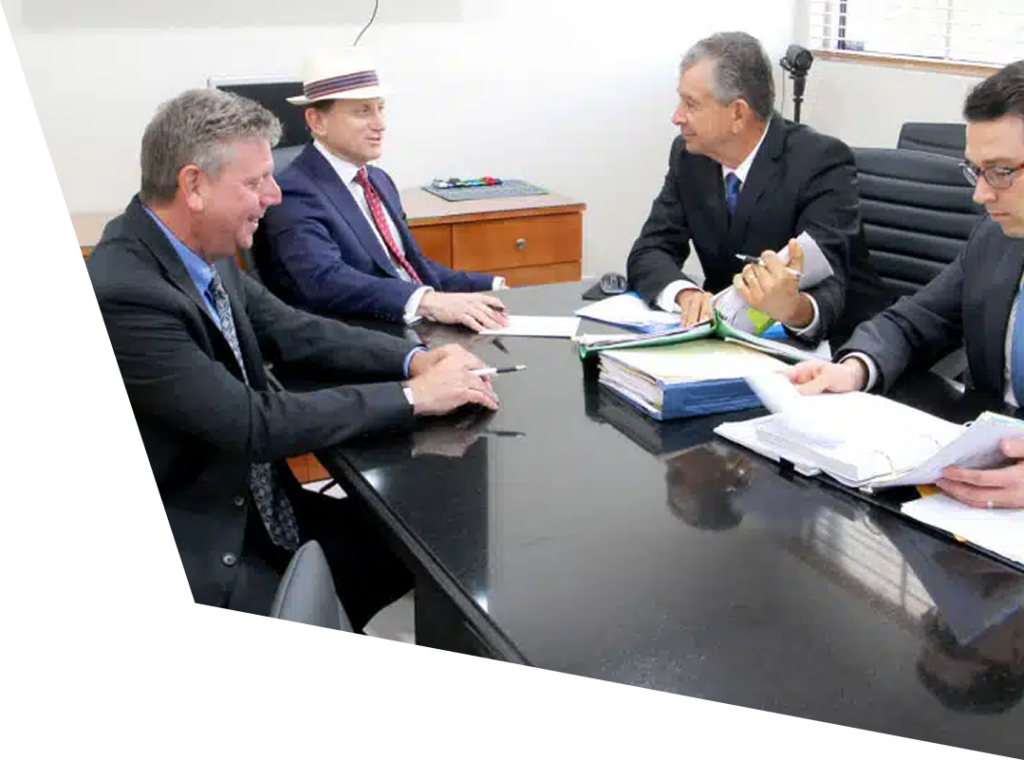
What a claim may cover
A rear-end collision claim in Miami Lakes may address several categories of loss, depending on your specific facts. We do not promise any particular result, and we do not use invented figures. What we do is walk through, with you, what categories typically apply so you understand what is on the table before you talk to an adjuster.
- Medical treatment connected to the crash, from the emergency room through follow-up care, physical therapy, or specialist visits
- Lost income if your injuries kept you from working, including reduced hours or a lower-paying role during recovery
- Property damage to your vehicle and related costs like a rental while it is repaired
- Pain, physical limitation, and the day-to-day impact of the injury on your life
- Future care, if a doctor documents that your injury will require ongoing treatment
Every claim is different, and what applies to yours depends on your medical records, your work situation, and the details of the crash. We go through this with you at no cost before you decide anything.
FAQ
Who is usually at fault in a rear-end collision in Miami Lakes?
In most rear-end collisions, the driver who strikes the vehicle ahead is presumed to be at fault under Florida law, on the theory that they should have maintained a safe following distance. That presumption can be challenged with the right facts, which is why the specific circumstances of your crash matter.
Does it matter if my crash happened near the Palmetto Expressway instead of on a local street?
It can. Crashes near expressway interchanges often involve higher speeds and sudden stops, which can affect the severity of injuries and the evidence available, such as expressway traffic cameras. We look at the exact location as part of evaluating your claim.
What should I do after a rear-end collision on Main Street in Miami Lakes?
Get medical attention even if you feel okay at first, since some injuries from a rear-end impact do not show symptoms right away. Take photos if you safely can, get the other driver's information, and avoid giving a recorded statement to an insurance company before speaking with us.
How long do I have to file a claim after a rear-end collision in Florida?
Florida sets filing deadlines that vary depending on the type of claim, and those deadlines can be shorter if a government entity or government-maintained road was involved. Rather than guess at a timeline, call us and we will tell you what applies to your situation.
Will I owe anything if I call for a free case review?
No. The case review is free, and there is no fee for our services unless we recover for you. You can ask questions and get honest information before deciding whether to move forward.
Other injury claims we handle in Miami Lakes
Rear-end collisions are one part of what we handle for people injured in Miami Lakes. If your situation involves a different kind of crash or incident, we handle those too, and each type of claim has its own set of facts insurance companies focus on.
- Car Accident
- Slip and Fall
- Truck Accident
- Motorcycle Accident
- Pedestrian Accident
- Bicycle Accident
- Rideshare Accident (Uber and Lyft)
- Bus Accident
If you are not sure which category fits your situation, that is fine. Call and describe what happened. We will tell you plainly whether it is something we can help with.
Free case review
Florida sets deadlines for filing an injury claim, and those deadlines vary depending on the type of claim and who is involved. If a government vehicle or a government-maintained road was part of your crash, that deadline can be shorter than a typical claim between private drivers. We are not going to guess at a number of years and apply it to your situation here. Call us, tell us what happened, and we will tell you what timeline applies to your case specifically.
Free case review
A free case review means exactly what it says. You tell us about the crash, we ask questions, and we tell you honestly whether we think you have a claim worth pursuing. There is no cost to have this conversation, and there is no obligation to hire us afterward. Reach out through the phone number on this page to get started.
Helping those Injured in Accidents Across Florida
Our office is built around plaintiff-side personal injury work, and we handle claims for people across South Florida, including here in Miami Lakes. We work under a contingency fee arrangement, meaning there is no fee unless we recover for you. That structure exists so that a person recovering from a rear-end collision is not also worrying about paying legal fees out of pocket while they heal.
If you were hurt in a rear-end collision anywhere in Miami Lakes, from a stop near Main Street to an approach onto the Palmetto Expressway, talk to us before you accept anything from an insurance adjuster. Adjusters are trained to settle claims quickly and for less than they may be worth. A short conversation with us costs nothing and helps you understand what you are dealing with.