
Call Or Text 24x7
- About Us
- Practice Areas
- Injuries
- FAQs
- Articles
- Location
- Service AreasAventura, FL
- Personal Injury Lawyer
- Car Accident Lawyer
- Slip and Fall Lawyer
- Truck Accident Lawyer
- Motorcycle Accident Lawyer
- Pedestrian Accident Lawyer
- Bicycle Accident Lawyer
- Rideshare Accident Lawyer
- Bus Accident Lawyer
- Wrongful Death Lawyer
- Premises Liability Lawyer
- Negligent Security Lawyer
- Dog Bite Lawyer
- Nursing Home Abuse Lawyer
- Medical Malpractice Lawyer
- Brain Injury Lawyer
- Spinal Cord Injury Lawyer
- Catastrophic Injury Lawyer
- Burn Injury Lawyer
- Construction Accident Lawyer
- Boating Accident Lawyer
- Cruise Ship Accident Lawyer
- Product Liability Lawyer
- DUI Accident Lawyer
- Hit and Run Lawyer
- Rear-End Collision Lawyer
- Underinsured Motorist Lawyer
- HOA Negligence Injury Lawyer
Hialeah, FL- Personal Injury Lawyer
- Car Accident Lawyer
- Slip and Fall Lawyer
- Truck Accident Lawyer
- Motorcycle Accident Lawyer
- Pedestrian Accident Lawyer
- Bicycle Accident Lawyer
- Rideshare Accident Lawyer
- Bus Accident Lawyer
- Wrongful Death Lawyer
- Premises Liability Lawyer
- Negligent Security Lawyer
- Dog Bite Lawyer
- Nursing Home Abuse Lawyer
- Medical Malpractice Lawyer
- Brain Injury Lawyer
- Spinal Cord Injury Lawyer
- Catastrophic Injury Lawyer
- Burn Injury Lawyer
- Construction Accident Lawyer
- Boating Accident Lawyer
- Cruise Ship Accident Lawyer
- Product Liability Lawyer
- DUI Accident Lawyer
- Hit and Run Lawyer
- Rear-End Collision Lawyer
- Underinsured Motorist Lawyer
- HOA Negligence Injury Lawyer
Sunny Isles Beach, FL- Personal Injury Lawyer
- Car Accident Lawyer
- Slip and Fall Lawyer
- Truck Accident Lawyer
- Motorcycle Accident Lawyer
- Pedestrian Accident Lawyer
- Bicycle Accident Lawyer
- Rideshare Accident Lawyer
- Bus Accident Lawyer
- Wrongful Death Lawyer
- Premises Liability Lawyer
- Negligent Security Lawyer
- Dog Bite Lawyer
- Nursing Home Abuse Lawyer
- Medical Malpractice Lawyer
- Brain Injury Lawyer
- Spinal Cord Injury Lawyer
- Catastrophic Injury Lawyer
- Burn Injury Lawyer
- Construction Accident Lawyer
- Boating Accident Lawyer
- Cruise Ship Accident Lawyer
- Product Liability Lawyer
- DUI Accident Lawyer
- Hit and Run Lawyer
- Rear-End Collision Lawyer
- Underinsured Motorist Lawyer
- HOA Negligence Injury Lawyer
Golden Beach, FL- Personal Injury Lawyer
- Car Accident Lawyer
- Slip and Fall Lawyer
- Truck Accident Lawyer
- Motorcycle Accident Lawyer
- Pedestrian Accident Lawyer
- Bicycle Accident Lawyer
- Rideshare Accident Lawyer
- Bus Accident Lawyer
- Wrongful Death Lawyer
- Premises Liability Lawyer
- Negligent Security Lawyer
- Dog Bite Lawyer
- Nursing Home Abuse Lawyer
- Medical Malpractice Lawyer
- Brain Injury Lawyer
- Spinal Cord Injury Lawyer
- Catastrophic Injury Lawyer
- Burn Injury Lawyer
- Construction Accident Lawyer
- Boating Accident Lawyer
- Cruise Ship Accident Lawyer
- Product Liability Lawyer
- DUI Accident Lawyer
- Hit and Run Lawyer
- Rear-End Collision Lawyer
- Underinsured Motorist Lawyer
- HOA Negligence Injury Lawyer
Hallandale Beach, FL- Personal Injury Lawyer
- Car Accident Lawyer
- Slip and Fall Lawyer
- Truck Accident Lawyer
- Motorcycle Accident Lawyer
- Pedestrian Accident Lawyer
- Bicycle Accident Lawyer
- Rideshare Accident Lawyer
- Bus Accident Lawyer
- Wrongful Death Lawyer
- Premises Liability Lawyer
- Negligent Security Lawyer
- Dog Bite Lawyer
- Nursing Home Abuse Lawyer
- Medical Malpractice Lawyer
- Brain Injury Lawyer
- Spinal Cord Injury Lawyer
- Catastrophic Injury Lawyer
- Burn Injury Lawyer
- Construction Accident Lawyer
- Boating Accident Lawyer
- Cruise Ship Accident Lawyer
- Product Liability Lawyer
- DUI Accident Lawyer
- Hit and Run Lawyer
- Rear-End Collision Lawyer
- Underinsured Motorist Lawyer
- HOA Negligence Injury Lawyer
Bal Harbour, FL- Personal Injury Lawyer
- Car Accident Lawyer
- Slip and Fall Lawyer
- Truck Accident Lawyer
- Motorcycle Accident Lawyer
- Pedestrian Accident Lawyer
- Bicycle Accident Lawyer
- Rideshare Accident Lawyer
- Bus Accident Lawyer
- Wrongful Death Lawyer
- Premises Liability Lawyer
- Negligent Security Lawyer
- Dog Bite Lawyer
- Nursing Home Abuse Lawyer
- Medical Malpractice Lawyer
- Brain Injury Lawyer
- Spinal Cord Injury Lawyer
- Catastrophic Injury Lawyer
- Burn Injury Lawyer
- Construction Accident Lawyer
- Boating Accident Lawyer
- Cruise Ship Accident Lawyer
- Product Liability Lawyer
- DUI Accident Lawyer
- Hit and Run Lawyer
- Rear-End Collision Lawyer
- Underinsured Motorist Lawyer
- HOA Negligence Injury Lawyer
Bay Harbor Islands, FL- Personal Injury Lawyer
- Car Accident Lawyer
- Slip and Fall Lawyer
- Truck Accident Lawyer
- Motorcycle Accident Lawyer
- Pedestrian Accident Lawyer
- Bicycle Accident Lawyer
- Rideshare Accident Lawyer
- Bus Accident Lawyer
- Wrongful Death Lawyer
- Premises Liability Lawyer
- Negligent Security Lawyer
- Dog Bite Lawyer
- Nursing Home Abuse Lawyer
- Medical Malpractice Lawyer
- Brain Injury Lawyer
- Spinal Cord Injury Lawyer
- Catastrophic Injury Lawyer
- Burn Injury Lawyer
- Construction Accident Lawyer
- Boating Accident Lawyer
- Cruise Ship Accident Lawyer
- Product Liability Lawyer
- DUI Accident Lawyer
- Hit and Run Lawyer
- Rear-End Collision Lawyer
- Underinsured Motorist Lawyer
- HOA Negligence Injury Lawyer
Surfside, FL- Personal Injury Lawyer
- Car Accident Lawyer
- Slip and Fall Lawyer
- Truck Accident Lawyer
- Motorcycle Accident Lawyer
- Pedestrian Accident Lawyer
- Bicycle Accident Lawyer
- Rideshare Accident Lawyer
- Bus Accident Lawyer
- Wrongful Death Lawyer
- Premises Liability Lawyer
- Negligent Security Lawyer
- Dog Bite Lawyer
- Nursing Home Abuse Lawyer
- Medical Malpractice Lawyer
- Brain Injury Lawyer
- Spinal Cord Injury Lawyer
- Catastrophic Injury Lawyer
- Burn Injury Lawyer
- Construction Accident Lawyer
- Boating Accident Lawyer
- Cruise Ship Accident Lawyer
- Product Liability Lawyer
- DUI Accident Lawyer
- Hit and Run Lawyer
- Rear-End Collision Lawyer
- Underinsured Motorist Lawyer
- HOA Negligence Injury Lawyer
Eastern Shores, FL- Personal Injury Lawyer
- Car Accident Lawyer
- Slip and Fall Lawyer
- Truck Accident Lawyer
- Motorcycle Accident Lawyer
- Pedestrian Accident Lawyer
- Bicycle Accident Lawyer
- Rideshare Accident Lawyer
- Bus Accident Lawyer
- Wrongful Death Lawyer
- Premises Liability Lawyer
- Negligent Security Lawyer
- Dog Bite Lawyer
- Nursing Home Abuse Lawyer
- Medical Malpractice Lawyer
- Brain Injury Lawyer
- Spinal Cord Injury Lawyer
- Catastrophic Injury Lawyer
- Burn Injury Lawyer
- Construction Accident Lawyer
- Boating Accident Lawyer
- Cruise Ship Accident Lawyer
- Product Liability Lawyer
- DUI Accident Lawyer
- Hit and Run Lawyer
- Rear-End Collision Lawyer
- Underinsured Motorist Lawyer
- HOA Negligence Injury Lawyer
Ives Estates, FL- Personal Injury Lawyer
- Car Accident Lawyer
- Slip and Fall Lawyer
- Truck Accident Lawyer
- Motorcycle Accident Lawyer
- Pedestrian Accident Lawyer
- Bicycle Accident Lawyer
- Rideshare Accident Lawyer
- Bus Accident Lawyer
- Wrongful Death Lawyer
- Premises Liability Lawyer
- Negligent Security Lawyer
- Dog Bite Lawyer
- Nursing Home Abuse Lawyer
- Medical Malpractice Lawyer
- Brain Injury Lawyer
- Spinal Cord Injury Lawyer
- Catastrophic Injury Lawyer
- Burn Injury Lawyer
- Construction Accident Lawyer
- Boating Accident Lawyer
- Cruise Ship Accident Lawyer
- Product Liability Lawyer
- DUI Accident Lawyer
- Hit and Run Lawyer
- Rear-End Collision Lawyer
- Underinsured Motorist Lawyer
- HOA Negligence Injury Lawyer
North Miami Beach, FL- Personal Injury Lawyer
- Car Accident Lawyer
- Slip and Fall Lawyer
- Truck Accident Lawyer
- Motorcycle Accident Lawyer
- Pedestrian Accident Lawyer
- Bicycle Accident Lawyer
- Rideshare Accident Lawyer
- Bus Accident Lawyer
- Wrongful Death Lawyer
- Premises Liability Lawyer
- Negligent Security Lawyer
- Dog Bite Lawyer
- Nursing Home Abuse Lawyer
- Medical Malpractice Lawyer
- Brain Injury Lawyer
- Spinal Cord Injury Lawyer
- Catastrophic Injury Lawyer
- Burn Injury Lawyer
- Construction Accident Lawyer
- Boating Accident Lawyer
- Cruise Ship Accident Lawyer
- Product Liability Lawyer
- DUI Accident Lawyer
- Hit and Run Lawyer
- Rear-End Collision Lawyer
- Underinsured Motorist Lawyer
- HOA Negligence Injury Lawyer
North Miami, FL- Personal Injury Lawyer
- Car Accident Lawyer
- Slip and Fall Lawyer
- Truck Accident Lawyer
- Motorcycle Accident Lawyer
- Pedestrian Accident Lawyer
- Bicycle Accident Lawyer
- Rideshare Accident Lawyer
- Bus Accident Lawyer
- Wrongful Death Lawyer
- Premises Liability Lawyer
- Negligent Security Lawyer
- Dog Bite Lawyer
- Nursing Home Abuse Lawyer
- Medical Malpractice Lawyer
- Brain Injury Lawyer
- Spinal Cord Injury Lawyer
- Catastrophic Injury Lawyer
- Burn Injury Lawyer
- Construction Accident Lawyer
- Boating Accident Lawyer
- Cruise Ship Accident Lawyer
- Product Liability Lawyer
- DUI Accident Lawyer
- Hit and Run Lawyer
- Rear-End Collision Lawyer
- Underinsured Motorist Lawyer
- HOA Negligence Injury Lawyer
Miami Gardens, FL- Personal Injury Lawyer
- Car Accident Lawyer
- Slip and Fall Lawyer
- Truck Accident Lawyer
- Motorcycle Accident Lawyer
- Pedestrian Accident Lawyer
- Bicycle Accident Lawyer
- Rideshare Accident Lawyer
- Bus Accident Lawyer
- Wrongful Death Lawyer
- Premises Liability Lawyer
- Negligent Security Lawyer
- Dog Bite Lawyer
- Nursing Home Abuse Lawyer
- Medical Malpractice Lawyer
- Brain Injury Lawyer
- Spinal Cord Injury Lawyer
- Catastrophic Injury Lawyer
- Burn Injury Lawyer
- Construction Accident Lawyer
- Boating Accident Lawyer
- Cruise Ship Accident Lawyer
- Product Liability Lawyer
- DUI Accident Lawyer
- Hit and Run Lawyer
- Rear-End Collision Lawyer
- Underinsured Motorist Lawyer
- HOA Negligence Injury Lawyer
Dania Beach, FL- Personal Injury Lawyer
- Car Accident Lawyer
- Slip and Fall Lawyer
- Truck Accident Lawyer
- Motorcycle Accident Lawyer
- Pedestrian Accident Lawyer
- Bicycle Accident Lawyer
- Rideshare Accident Lawyer
- Bus Accident Lawyer
- Wrongful Death Lawyer
- Premises Liability Lawyer
- Negligent Security Lawyer
- Dog Bite Lawyer
- Nursing Home Abuse Lawyer
- Medical Malpractice Lawyer
- Brain Injury Lawyer
- Spinal Cord Injury Lawyer
- Catastrophic Injury Lawyer
- Burn Injury Lawyer
- Construction Accident Lawyer
- Boating Accident Lawyer
- Cruise Ship Accident Lawyer
- Product Liability Lawyer
- DUI Accident Lawyer
- Hit and Run Lawyer
- Rear-End Collision Lawyer
- Underinsured Motorist Lawyer
- HOA Negligence Injury Lawyer
Miramar, FL- Personal Injury Lawyer
- Car Accident Lawyer
- Slip and Fall Lawyer
- Truck Accident Lawyer
- Motorcycle Accident Lawyer
- Pedestrian Accident Lawyer
- Bicycle Accident Lawyer
- Rideshare Accident Lawyer
- Bus Accident Lawyer
- Wrongful Death Lawyer
- Premises Liability Lawyer
- Negligent Security Lawyer
- Dog Bite Lawyer
- Nursing Home Abuse Lawyer
- Medical Malpractice Lawyer
- Brain Injury Lawyer
- Spinal Cord Injury Lawyer
- Catastrophic Injury Lawyer
- Burn Injury Lawyer
- Construction Accident Lawyer
- Boating Accident Lawyer
- Cruise Ship Accident Lawyer
- Product Liability Lawyer
- DUI Accident Lawyer
- Hit and Run Lawyer
- Rear-End Collision Lawyer
- Underinsured Motorist Lawyer
- HOA Negligence Injury Lawyer
Miami Lakes, FL- Personal Injury Lawyer
- Car Accident Lawyer
- Slip and Fall Lawyer
- Truck Accident Lawyer
- Motorcycle Accident Lawyer
- Pedestrian Accident Lawyer
- Bicycle Accident Lawyer
- Rideshare Accident Lawyer
- Bus Accident Lawyer
- Wrongful Death Lawyer
- Premises Liability Lawyer
- Negligent Security Lawyer
- Dog Bite Lawyer
- Nursing Home Abuse Lawyer
- Medical Malpractice Lawyer
- Brain Injury Lawyer
- Spinal Cord Injury Lawyer
- Catastrophic Injury Lawyer
- Burn Injury Lawyer
- Construction Accident Lawyer
- Boating Accident Lawyer
- Cruise Ship Accident Lawyer
- Product Liability Lawyer
- DUI Accident Lawyer
- Hit and Run Lawyer
- Rear-End Collision Lawyer
- Underinsured Motorist Lawyer
- HOA Negligence Injury Lawyer
Opa-Locka, FL- Personal Injury Lawyer
- Car Accident Lawyer
- Slip and Fall Lawyer
- Truck Accident Lawyer
- Motorcycle Accident Lawyer
- Pedestrian Accident Lawyer
- Bicycle Accident Lawyer
- Rideshare Accident Lawyer
- Bus Accident Lawyer
- Wrongful Death Lawyer
- Premises Liability Lawyer
- Negligent Security Lawyer
- Dog Bite Lawyer
- Nursing Home Abuse Lawyer
- Medical Malpractice Lawyer
- Brain Injury Lawyer
- Spinal Cord Injury Lawyer
- Catastrophic Injury Lawyer
- Burn Injury Lawyer
- Construction Accident Lawyer
- Boating Accident Lawyer
- Cruise Ship Accident Lawyer
- Product Liability Lawyer
- DUI Accident Lawyer
- Hit and Run Lawyer
- Rear-End Collision Lawyer
- Underinsured Motorist Lawyer
- HOA Negligence Injury Lawyer
Hollywood, FL- Personal Injury Lawyer
- Car Accident Lawyer
- Slip and Fall Lawyer
- Truck Accident Lawyer
- Motorcycle Accident Lawyer
- Pedestrian Accident Lawyer
- Bicycle Accident Lawyer
- Rideshare Accident Lawyer
- Bus Accident Lawyer
- Wrongful Death Lawyer
- Premises Liability Lawyer
- Negligent Security Lawyer
- Dog Bite Lawyer
- Nursing Home Abuse Lawyer
- Medical Malpractice Lawyer
- Brain Injury Lawyer
- Spinal Cord Injury Lawyer
- Catastrophic Injury Lawyer
- Burn Injury Lawyer
- Construction Accident Lawyer
- Boating Accident Lawyer
- Cruise Ship Accident Lawyer
- Product Liability Lawyer
- DUI Accident Lawyer
- Hit and Run Lawyer
- Rear-End Collision Lawyer
- Underinsured Motorist Lawyer
- HOA Negligence Injury Lawyer
- About Us
- Practice Areas
- Injuries
- FAQs
- Articles
- Location
- Service AreasAventura, FL
- Personal Injury Lawyer
- Car Accident Lawyer
- Slip and Fall Lawyer
- Truck Accident Lawyer
- Motorcycle Accident Lawyer
- Pedestrian Accident Lawyer
- Bicycle Accident Lawyer
- Rideshare Accident Lawyer
- Bus Accident Lawyer
- Wrongful Death Lawyer
- Premises Liability Lawyer
- Negligent Security Lawyer
- Dog Bite Lawyer
- Nursing Home Abuse Lawyer
- Medical Malpractice Lawyer
- Brain Injury Lawyer
- Spinal Cord Injury Lawyer
- Catastrophic Injury Lawyer
- Burn Injury Lawyer
- Construction Accident Lawyer
- Boating Accident Lawyer
- Cruise Ship Accident Lawyer
- Product Liability Lawyer
- DUI Accident Lawyer
- Hit and Run Lawyer
- Rear-End Collision Lawyer
- Underinsured Motorist Lawyer
- HOA Negligence Injury Lawyer
Hialeah, FL- Personal Injury Lawyer
- Car Accident Lawyer
- Slip and Fall Lawyer
- Truck Accident Lawyer
- Motorcycle Accident Lawyer
- Pedestrian Accident Lawyer
- Bicycle Accident Lawyer
- Rideshare Accident Lawyer
- Bus Accident Lawyer
- Wrongful Death Lawyer
- Premises Liability Lawyer
- Negligent Security Lawyer
- Dog Bite Lawyer
- Nursing Home Abuse Lawyer
- Medical Malpractice Lawyer
- Brain Injury Lawyer
- Spinal Cord Injury Lawyer
- Catastrophic Injury Lawyer
- Burn Injury Lawyer
- Construction Accident Lawyer
- Boating Accident Lawyer
- Cruise Ship Accident Lawyer
- Product Liability Lawyer
- DUI Accident Lawyer
- Hit and Run Lawyer
- Rear-End Collision Lawyer
- Underinsured Motorist Lawyer
- HOA Negligence Injury Lawyer
Sunny Isles Beach, FL- Personal Injury Lawyer
- Car Accident Lawyer
- Slip and Fall Lawyer
- Truck Accident Lawyer
- Motorcycle Accident Lawyer
- Pedestrian Accident Lawyer
- Bicycle Accident Lawyer
- Rideshare Accident Lawyer
- Bus Accident Lawyer
- Wrongful Death Lawyer
- Premises Liability Lawyer
- Negligent Security Lawyer
- Dog Bite Lawyer
- Nursing Home Abuse Lawyer
- Medical Malpractice Lawyer
- Brain Injury Lawyer
- Spinal Cord Injury Lawyer
- Catastrophic Injury Lawyer
- Burn Injury Lawyer
- Construction Accident Lawyer
- Boating Accident Lawyer
- Cruise Ship Accident Lawyer
- Product Liability Lawyer
- DUI Accident Lawyer
- Hit and Run Lawyer
- Rear-End Collision Lawyer
- Underinsured Motorist Lawyer
- HOA Negligence Injury Lawyer
Golden Beach, FL- Personal Injury Lawyer
- Car Accident Lawyer
- Slip and Fall Lawyer
- Truck Accident Lawyer
- Motorcycle Accident Lawyer
- Pedestrian Accident Lawyer
- Bicycle Accident Lawyer
- Rideshare Accident Lawyer
- Bus Accident Lawyer
- Wrongful Death Lawyer
- Premises Liability Lawyer
- Negligent Security Lawyer
- Dog Bite Lawyer
- Nursing Home Abuse Lawyer
- Medical Malpractice Lawyer
- Brain Injury Lawyer
- Spinal Cord Injury Lawyer
- Catastrophic Injury Lawyer
- Burn Injury Lawyer
- Construction Accident Lawyer
- Boating Accident Lawyer
- Cruise Ship Accident Lawyer
- Product Liability Lawyer
- DUI Accident Lawyer
- Hit and Run Lawyer
- Rear-End Collision Lawyer
- Underinsured Motorist Lawyer
- HOA Negligence Injury Lawyer
Hallandale Beach, FL- Personal Injury Lawyer
- Car Accident Lawyer
- Slip and Fall Lawyer
- Truck Accident Lawyer
- Motorcycle Accident Lawyer
- Pedestrian Accident Lawyer
- Bicycle Accident Lawyer
- Rideshare Accident Lawyer
- Bus Accident Lawyer
- Wrongful Death Lawyer
- Premises Liability Lawyer
- Negligent Security Lawyer
- Dog Bite Lawyer
- Nursing Home Abuse Lawyer
- Medical Malpractice Lawyer
- Brain Injury Lawyer
- Spinal Cord Injury Lawyer
- Catastrophic Injury Lawyer
- Burn Injury Lawyer
- Construction Accident Lawyer
- Boating Accident Lawyer
- Cruise Ship Accident Lawyer
- Product Liability Lawyer
- DUI Accident Lawyer
- Hit and Run Lawyer
- Rear-End Collision Lawyer
- Underinsured Motorist Lawyer
- HOA Negligence Injury Lawyer
Bal Harbour, FL- Personal Injury Lawyer
- Car Accident Lawyer
- Slip and Fall Lawyer
- Truck Accident Lawyer
- Motorcycle Accident Lawyer
- Pedestrian Accident Lawyer
- Bicycle Accident Lawyer
- Rideshare Accident Lawyer
- Bus Accident Lawyer
- Wrongful Death Lawyer
- Premises Liability Lawyer
- Negligent Security Lawyer
- Dog Bite Lawyer
- Nursing Home Abuse Lawyer
- Medical Malpractice Lawyer
- Brain Injury Lawyer
- Spinal Cord Injury Lawyer
- Catastrophic Injury Lawyer
- Burn Injury Lawyer
- Construction Accident Lawyer
- Boating Accident Lawyer
- Cruise Ship Accident Lawyer
- Product Liability Lawyer
- DUI Accident Lawyer
- Hit and Run Lawyer
- Rear-End Collision Lawyer
- Underinsured Motorist Lawyer
- HOA Negligence Injury Lawyer
Bay Harbor Islands, FL- Personal Injury Lawyer
- Car Accident Lawyer
- Slip and Fall Lawyer
- Truck Accident Lawyer
- Motorcycle Accident Lawyer
- Pedestrian Accident Lawyer
- Bicycle Accident Lawyer
- Rideshare Accident Lawyer
- Bus Accident Lawyer
- Wrongful Death Lawyer
- Premises Liability Lawyer
- Negligent Security Lawyer
- Dog Bite Lawyer
- Nursing Home Abuse Lawyer
- Medical Malpractice Lawyer
- Brain Injury Lawyer
- Spinal Cord Injury Lawyer
- Catastrophic Injury Lawyer
- Burn Injury Lawyer
- Construction Accident Lawyer
- Boating Accident Lawyer
- Cruise Ship Accident Lawyer
- Product Liability Lawyer
- DUI Accident Lawyer
- Hit and Run Lawyer
- Rear-End Collision Lawyer
- Underinsured Motorist Lawyer
- HOA Negligence Injury Lawyer
Surfside, FL- Personal Injury Lawyer
- Car Accident Lawyer
- Slip and Fall Lawyer
- Truck Accident Lawyer
- Motorcycle Accident Lawyer
- Pedestrian Accident Lawyer
- Bicycle Accident Lawyer
- Rideshare Accident Lawyer
- Bus Accident Lawyer
- Wrongful Death Lawyer
- Premises Liability Lawyer
- Negligent Security Lawyer
- Dog Bite Lawyer
- Nursing Home Abuse Lawyer
- Medical Malpractice Lawyer
- Brain Injury Lawyer
- Spinal Cord Injury Lawyer
- Catastrophic Injury Lawyer
- Burn Injury Lawyer
- Construction Accident Lawyer
- Boating Accident Lawyer
- Cruise Ship Accident Lawyer
- Product Liability Lawyer
- DUI Accident Lawyer
- Hit and Run Lawyer
- Rear-End Collision Lawyer
- Underinsured Motorist Lawyer
- HOA Negligence Injury Lawyer
Eastern Shores, FL- Personal Injury Lawyer
- Car Accident Lawyer
- Slip and Fall Lawyer
- Truck Accident Lawyer
- Motorcycle Accident Lawyer
- Pedestrian Accident Lawyer
- Bicycle Accident Lawyer
- Rideshare Accident Lawyer
- Bus Accident Lawyer
- Wrongful Death Lawyer
- Premises Liability Lawyer
- Negligent Security Lawyer
- Dog Bite Lawyer
- Nursing Home Abuse Lawyer
- Medical Malpractice Lawyer
- Brain Injury Lawyer
- Spinal Cord Injury Lawyer
- Catastrophic Injury Lawyer
- Burn Injury Lawyer
- Construction Accident Lawyer
- Boating Accident Lawyer
- Cruise Ship Accident Lawyer
- Product Liability Lawyer
- DUI Accident Lawyer
- Hit and Run Lawyer
- Rear-End Collision Lawyer
- Underinsured Motorist Lawyer
- HOA Negligence Injury Lawyer
Ives Estates, FL- Personal Injury Lawyer
- Car Accident Lawyer
- Slip and Fall Lawyer
- Truck Accident Lawyer
- Motorcycle Accident Lawyer
- Pedestrian Accident Lawyer
- Bicycle Accident Lawyer
- Rideshare Accident Lawyer
- Bus Accident Lawyer
- Wrongful Death Lawyer
- Premises Liability Lawyer
- Negligent Security Lawyer
- Dog Bite Lawyer
- Nursing Home Abuse Lawyer
- Medical Malpractice Lawyer
- Brain Injury Lawyer
- Spinal Cord Injury Lawyer
- Catastrophic Injury Lawyer
- Burn Injury Lawyer
- Construction Accident Lawyer
- Boating Accident Lawyer
- Cruise Ship Accident Lawyer
- Product Liability Lawyer
- DUI Accident Lawyer
- Hit and Run Lawyer
- Rear-End Collision Lawyer
- Underinsured Motorist Lawyer
- HOA Negligence Injury Lawyer
North Miami Beach, FL- Personal Injury Lawyer
- Car Accident Lawyer
- Slip and Fall Lawyer
- Truck Accident Lawyer
- Motorcycle Accident Lawyer
- Pedestrian Accident Lawyer
- Bicycle Accident Lawyer
- Rideshare Accident Lawyer
- Bus Accident Lawyer
- Wrongful Death Lawyer
- Premises Liability Lawyer
- Negligent Security Lawyer
- Dog Bite Lawyer
- Nursing Home Abuse Lawyer
- Medical Malpractice Lawyer
- Brain Injury Lawyer
- Spinal Cord Injury Lawyer
- Catastrophic Injury Lawyer
- Burn Injury Lawyer
- Construction Accident Lawyer
- Boating Accident Lawyer
- Cruise Ship Accident Lawyer
- Product Liability Lawyer
- DUI Accident Lawyer
- Hit and Run Lawyer
- Rear-End Collision Lawyer
- Underinsured Motorist Lawyer
- HOA Negligence Injury Lawyer
North Miami, FL- Personal Injury Lawyer
- Car Accident Lawyer
- Slip and Fall Lawyer
- Truck Accident Lawyer
- Motorcycle Accident Lawyer
- Pedestrian Accident Lawyer
- Bicycle Accident Lawyer
- Rideshare Accident Lawyer
- Bus Accident Lawyer
- Wrongful Death Lawyer
- Premises Liability Lawyer
- Negligent Security Lawyer
- Dog Bite Lawyer
- Nursing Home Abuse Lawyer
- Medical Malpractice Lawyer
- Brain Injury Lawyer
- Spinal Cord Injury Lawyer
- Catastrophic Injury Lawyer
- Burn Injury Lawyer
- Construction Accident Lawyer
- Boating Accident Lawyer
- Cruise Ship Accident Lawyer
- Product Liability Lawyer
- DUI Accident Lawyer
- Hit and Run Lawyer
- Rear-End Collision Lawyer
- Underinsured Motorist Lawyer
- HOA Negligence Injury Lawyer
Miami Gardens, FL- Personal Injury Lawyer
- Car Accident Lawyer
- Slip and Fall Lawyer
- Truck Accident Lawyer
- Motorcycle Accident Lawyer
- Pedestrian Accident Lawyer
- Bicycle Accident Lawyer
- Rideshare Accident Lawyer
- Bus Accident Lawyer
- Wrongful Death Lawyer
- Premises Liability Lawyer
- Negligent Security Lawyer
- Dog Bite Lawyer
- Nursing Home Abuse Lawyer
- Medical Malpractice Lawyer
- Brain Injury Lawyer
- Spinal Cord Injury Lawyer
- Catastrophic Injury Lawyer
- Burn Injury Lawyer
- Construction Accident Lawyer
- Boating Accident Lawyer
- Cruise Ship Accident Lawyer
- Product Liability Lawyer
- DUI Accident Lawyer
- Hit and Run Lawyer
- Rear-End Collision Lawyer
- Underinsured Motorist Lawyer
- HOA Negligence Injury Lawyer
Dania Beach, FL- Personal Injury Lawyer
- Car Accident Lawyer
- Slip and Fall Lawyer
- Truck Accident Lawyer
- Motorcycle Accident Lawyer
- Pedestrian Accident Lawyer
- Bicycle Accident Lawyer
- Rideshare Accident Lawyer
- Bus Accident Lawyer
- Wrongful Death Lawyer
- Premises Liability Lawyer
- Negligent Security Lawyer
- Dog Bite Lawyer
- Nursing Home Abuse Lawyer
- Medical Malpractice Lawyer
- Brain Injury Lawyer
- Spinal Cord Injury Lawyer
- Catastrophic Injury Lawyer
- Burn Injury Lawyer
- Construction Accident Lawyer
- Boating Accident Lawyer
- Cruise Ship Accident Lawyer
- Product Liability Lawyer
- DUI Accident Lawyer
- Hit and Run Lawyer
- Rear-End Collision Lawyer
- Underinsured Motorist Lawyer
- HOA Negligence Injury Lawyer
Miramar, FL- Personal Injury Lawyer
- Car Accident Lawyer
- Slip and Fall Lawyer
- Truck Accident Lawyer
- Motorcycle Accident Lawyer
- Pedestrian Accident Lawyer
- Bicycle Accident Lawyer
- Rideshare Accident Lawyer
- Bus Accident Lawyer
- Wrongful Death Lawyer
- Premises Liability Lawyer
- Negligent Security Lawyer
- Dog Bite Lawyer
- Nursing Home Abuse Lawyer
- Medical Malpractice Lawyer
- Brain Injury Lawyer
- Spinal Cord Injury Lawyer
- Catastrophic Injury Lawyer
- Burn Injury Lawyer
- Construction Accident Lawyer
- Boating Accident Lawyer
- Cruise Ship Accident Lawyer
- Product Liability Lawyer
- DUI Accident Lawyer
- Hit and Run Lawyer
- Rear-End Collision Lawyer
- Underinsured Motorist Lawyer
- HOA Negligence Injury Lawyer
Miami Lakes, FL- Personal Injury Lawyer
- Car Accident Lawyer
- Slip and Fall Lawyer
- Truck Accident Lawyer
- Motorcycle Accident Lawyer
- Pedestrian Accident Lawyer
- Bicycle Accident Lawyer
- Rideshare Accident Lawyer
- Bus Accident Lawyer
- Wrongful Death Lawyer
- Premises Liability Lawyer
- Negligent Security Lawyer
- Dog Bite Lawyer
- Nursing Home Abuse Lawyer
- Medical Malpractice Lawyer
- Brain Injury Lawyer
- Spinal Cord Injury Lawyer
- Catastrophic Injury Lawyer
- Burn Injury Lawyer
- Construction Accident Lawyer
- Boating Accident Lawyer
- Cruise Ship Accident Lawyer
- Product Liability Lawyer
- DUI Accident Lawyer
- Hit and Run Lawyer
- Rear-End Collision Lawyer
- Underinsured Motorist Lawyer
- HOA Negligence Injury Lawyer
Opa-Locka, FL- Personal Injury Lawyer
- Car Accident Lawyer
- Slip and Fall Lawyer
- Truck Accident Lawyer
- Motorcycle Accident Lawyer
- Pedestrian Accident Lawyer
- Bicycle Accident Lawyer
- Rideshare Accident Lawyer
- Bus Accident Lawyer
- Wrongful Death Lawyer
- Premises Liability Lawyer
- Negligent Security Lawyer
- Dog Bite Lawyer
- Nursing Home Abuse Lawyer
- Medical Malpractice Lawyer
- Brain Injury Lawyer
- Spinal Cord Injury Lawyer
- Catastrophic Injury Lawyer
- Burn Injury Lawyer
- Construction Accident Lawyer
- Boating Accident Lawyer
- Cruise Ship Accident Lawyer
- Product Liability Lawyer
- DUI Accident Lawyer
- Hit and Run Lawyer
- Rear-End Collision Lawyer
- Underinsured Motorist Lawyer
- HOA Negligence Injury Lawyer
Hollywood, FL- Personal Injury Lawyer
- Car Accident Lawyer
- Slip and Fall Lawyer
- Truck Accident Lawyer
- Motorcycle Accident Lawyer
- Pedestrian Accident Lawyer
- Bicycle Accident Lawyer
- Rideshare Accident Lawyer
- Bus Accident Lawyer
- Wrongful Death Lawyer
- Premises Liability Lawyer
- Negligent Security Lawyer
- Dog Bite Lawyer
- Nursing Home Abuse Lawyer
- Medical Malpractice Lawyer
- Brain Injury Lawyer
- Spinal Cord Injury Lawyer
- Catastrophic Injury Lawyer
- Burn Injury Lawyer
- Construction Accident Lawyer
- Boating Accident Lawyer
- Cruise Ship Accident Lawyer
- Product Liability Lawyer
- DUI Accident Lawyer
- Hit and Run Lawyer
- Rear-End Collision Lawyer
- Underinsured Motorist Lawyer
- HOA Negligence Injury Lawyer
- About Us
- Practice Areas
- Injuries
- FAQs
- Articles
- Location
- Service AreasAventura, FL
- Personal Injury Lawyer
- Car Accident Lawyer
- Slip and Fall Lawyer
- Truck Accident Lawyer
- Motorcycle Accident Lawyer
- Pedestrian Accident Lawyer
- Bicycle Accident Lawyer
- Rideshare Accident Lawyer
- Bus Accident Lawyer
- Wrongful Death Lawyer
- Premises Liability Lawyer
- Negligent Security Lawyer
- Dog Bite Lawyer
- Nursing Home Abuse Lawyer
- Medical Malpractice Lawyer
- Brain Injury Lawyer
- Spinal Cord Injury Lawyer
- Catastrophic Injury Lawyer
- Burn Injury Lawyer
- Construction Accident Lawyer
- Boating Accident Lawyer
- Cruise Ship Accident Lawyer
- Product Liability Lawyer
- DUI Accident Lawyer
- Hit and Run Lawyer
- Rear-End Collision Lawyer
- Underinsured Motorist Lawyer
- HOA Negligence Injury Lawyer
Hialeah, FL- Personal Injury Lawyer
- Car Accident Lawyer
- Slip and Fall Lawyer
- Truck Accident Lawyer
- Motorcycle Accident Lawyer
- Pedestrian Accident Lawyer
- Bicycle Accident Lawyer
- Rideshare Accident Lawyer
- Bus Accident Lawyer
- Wrongful Death Lawyer
- Premises Liability Lawyer
- Negligent Security Lawyer
- Dog Bite Lawyer
- Nursing Home Abuse Lawyer
- Medical Malpractice Lawyer
- Brain Injury Lawyer
- Spinal Cord Injury Lawyer
- Catastrophic Injury Lawyer
- Burn Injury Lawyer
- Construction Accident Lawyer
- Boating Accident Lawyer
- Cruise Ship Accident Lawyer
- Product Liability Lawyer
- DUI Accident Lawyer
- Hit and Run Lawyer
- Rear-End Collision Lawyer
- Underinsured Motorist Lawyer
- HOA Negligence Injury Lawyer
Sunny Isles Beach, FL- Personal Injury Lawyer
- Car Accident Lawyer
- Slip and Fall Lawyer
- Truck Accident Lawyer
- Motorcycle Accident Lawyer
- Pedestrian Accident Lawyer
- Bicycle Accident Lawyer
- Rideshare Accident Lawyer
- Bus Accident Lawyer
- Wrongful Death Lawyer
- Premises Liability Lawyer
- Negligent Security Lawyer
- Dog Bite Lawyer
- Nursing Home Abuse Lawyer
- Medical Malpractice Lawyer
- Brain Injury Lawyer
- Spinal Cord Injury Lawyer
- Catastrophic Injury Lawyer
- Burn Injury Lawyer
- Construction Accident Lawyer
- Boating Accident Lawyer
- Cruise Ship Accident Lawyer
- Product Liability Lawyer
- DUI Accident Lawyer
- Hit and Run Lawyer
- Rear-End Collision Lawyer
- Underinsured Motorist Lawyer
- HOA Negligence Injury Lawyer
Golden Beach, FL- Personal Injury Lawyer
- Car Accident Lawyer
- Slip and Fall Lawyer
- Truck Accident Lawyer
- Motorcycle Accident Lawyer
- Pedestrian Accident Lawyer
- Bicycle Accident Lawyer
- Rideshare Accident Lawyer
- Bus Accident Lawyer
- Wrongful Death Lawyer
- Premises Liability Lawyer
- Negligent Security Lawyer
- Dog Bite Lawyer
- Nursing Home Abuse Lawyer
- Medical Malpractice Lawyer
- Brain Injury Lawyer
- Spinal Cord Injury Lawyer
- Catastrophic Injury Lawyer
- Burn Injury Lawyer
- Construction Accident Lawyer
- Boating Accident Lawyer
- Cruise Ship Accident Lawyer
- Product Liability Lawyer
- DUI Accident Lawyer
- Hit and Run Lawyer
- Rear-End Collision Lawyer
- Underinsured Motorist Lawyer
- HOA Negligence Injury Lawyer
Hallandale Beach, FL- Personal Injury Lawyer
- Car Accident Lawyer
- Slip and Fall Lawyer
- Truck Accident Lawyer
- Motorcycle Accident Lawyer
- Pedestrian Accident Lawyer
- Bicycle Accident Lawyer
- Rideshare Accident Lawyer
- Bus Accident Lawyer
- Wrongful Death Lawyer
- Premises Liability Lawyer
- Negligent Security Lawyer
- Dog Bite Lawyer
- Nursing Home Abuse Lawyer
- Medical Malpractice Lawyer
- Brain Injury Lawyer
- Spinal Cord Injury Lawyer
- Catastrophic Injury Lawyer
- Burn Injury Lawyer
- Construction Accident Lawyer
- Boating Accident Lawyer
- Cruise Ship Accident Lawyer
- Product Liability Lawyer
- DUI Accident Lawyer
- Hit and Run Lawyer
- Rear-End Collision Lawyer
- Underinsured Motorist Lawyer
- HOA Negligence Injury Lawyer
Bal Harbour, FL- Personal Injury Lawyer
- Car Accident Lawyer
- Slip and Fall Lawyer
- Truck Accident Lawyer
- Motorcycle Accident Lawyer
- Pedestrian Accident Lawyer
- Bicycle Accident Lawyer
- Rideshare Accident Lawyer
- Bus Accident Lawyer
- Wrongful Death Lawyer
- Premises Liability Lawyer
- Negligent Security Lawyer
- Dog Bite Lawyer
- Nursing Home Abuse Lawyer
- Medical Malpractice Lawyer
- Brain Injury Lawyer
- Spinal Cord Injury Lawyer
- Catastrophic Injury Lawyer
- Burn Injury Lawyer
- Construction Accident Lawyer
- Boating Accident Lawyer
- Cruise Ship Accident Lawyer
- Product Liability Lawyer
- DUI Accident Lawyer
- Hit and Run Lawyer
- Rear-End Collision Lawyer
- Underinsured Motorist Lawyer
- HOA Negligence Injury Lawyer
Bay Harbor Islands, FL- Personal Injury Lawyer
- Car Accident Lawyer
- Slip and Fall Lawyer
- Truck Accident Lawyer
- Motorcycle Accident Lawyer
- Pedestrian Accident Lawyer
- Bicycle Accident Lawyer
- Rideshare Accident Lawyer
- Bus Accident Lawyer
- Wrongful Death Lawyer
- Premises Liability Lawyer
- Negligent Security Lawyer
- Dog Bite Lawyer
- Nursing Home Abuse Lawyer
- Medical Malpractice Lawyer
- Brain Injury Lawyer
- Spinal Cord Injury Lawyer
- Catastrophic Injury Lawyer
- Burn Injury Lawyer
- Construction Accident Lawyer
- Boating Accident Lawyer
- Cruise Ship Accident Lawyer
- Product Liability Lawyer
- DUI Accident Lawyer
- Hit and Run Lawyer
- Rear-End Collision Lawyer
- Underinsured Motorist Lawyer
- HOA Negligence Injury Lawyer
Surfside, FL- Personal Injury Lawyer
- Car Accident Lawyer
- Slip and Fall Lawyer
- Truck Accident Lawyer
- Motorcycle Accident Lawyer
- Pedestrian Accident Lawyer
- Bicycle Accident Lawyer
- Rideshare Accident Lawyer
- Bus Accident Lawyer
- Wrongful Death Lawyer
- Premises Liability Lawyer
- Negligent Security Lawyer
- Dog Bite Lawyer
- Nursing Home Abuse Lawyer
- Medical Malpractice Lawyer
- Brain Injury Lawyer
- Spinal Cord Injury Lawyer
- Catastrophic Injury Lawyer
- Burn Injury Lawyer
- Construction Accident Lawyer
- Boating Accident Lawyer
- Cruise Ship Accident Lawyer
- Product Liability Lawyer
- DUI Accident Lawyer
- Hit and Run Lawyer
- Rear-End Collision Lawyer
- Underinsured Motorist Lawyer
- HOA Negligence Injury Lawyer
Eastern Shores, FL- Personal Injury Lawyer
- Car Accident Lawyer
- Slip and Fall Lawyer
- Truck Accident Lawyer
- Motorcycle Accident Lawyer
- Pedestrian Accident Lawyer
- Bicycle Accident Lawyer
- Rideshare Accident Lawyer
- Bus Accident Lawyer
- Wrongful Death Lawyer
- Premises Liability Lawyer
- Negligent Security Lawyer
- Dog Bite Lawyer
- Nursing Home Abuse Lawyer
- Medical Malpractice Lawyer
- Brain Injury Lawyer
- Spinal Cord Injury Lawyer
- Catastrophic Injury Lawyer
- Burn Injury Lawyer
- Construction Accident Lawyer
- Boating Accident Lawyer
- Cruise Ship Accident Lawyer
- Product Liability Lawyer
- DUI Accident Lawyer
- Hit and Run Lawyer
- Rear-End Collision Lawyer
- Underinsured Motorist Lawyer
- HOA Negligence Injury Lawyer
Ives Estates, FL- Personal Injury Lawyer
- Car Accident Lawyer
- Slip and Fall Lawyer
- Truck Accident Lawyer
- Motorcycle Accident Lawyer
- Pedestrian Accident Lawyer
- Bicycle Accident Lawyer
- Rideshare Accident Lawyer
- Bus Accident Lawyer
- Wrongful Death Lawyer
- Premises Liability Lawyer
- Negligent Security Lawyer
- Dog Bite Lawyer
- Nursing Home Abuse Lawyer
- Medical Malpractice Lawyer
- Brain Injury Lawyer
- Spinal Cord Injury Lawyer
- Catastrophic Injury Lawyer
- Burn Injury Lawyer
- Construction Accident Lawyer
- Boating Accident Lawyer
- Cruise Ship Accident Lawyer
- Product Liability Lawyer
- DUI Accident Lawyer
- Hit and Run Lawyer
- Rear-End Collision Lawyer
- Underinsured Motorist Lawyer
- HOA Negligence Injury Lawyer
North Miami Beach, FL- Personal Injury Lawyer
- Car Accident Lawyer
- Slip and Fall Lawyer
- Truck Accident Lawyer
- Motorcycle Accident Lawyer
- Pedestrian Accident Lawyer
- Bicycle Accident Lawyer
- Rideshare Accident Lawyer
- Bus Accident Lawyer
- Wrongful Death Lawyer
- Premises Liability Lawyer
- Negligent Security Lawyer
- Dog Bite Lawyer
- Nursing Home Abuse Lawyer
- Medical Malpractice Lawyer
- Brain Injury Lawyer
- Spinal Cord Injury Lawyer
- Catastrophic Injury Lawyer
- Burn Injury Lawyer
- Construction Accident Lawyer
- Boating Accident Lawyer
- Cruise Ship Accident Lawyer
- Product Liability Lawyer
- DUI Accident Lawyer
- Hit and Run Lawyer
- Rear-End Collision Lawyer
- Underinsured Motorist Lawyer
- HOA Negligence Injury Lawyer
North Miami, FL- Personal Injury Lawyer
- Car Accident Lawyer
- Slip and Fall Lawyer
- Truck Accident Lawyer
- Motorcycle Accident Lawyer
- Pedestrian Accident Lawyer
- Bicycle Accident Lawyer
- Rideshare Accident Lawyer
- Bus Accident Lawyer
- Wrongful Death Lawyer
- Premises Liability Lawyer
- Negligent Security Lawyer
- Dog Bite Lawyer
- Nursing Home Abuse Lawyer
- Medical Malpractice Lawyer
- Brain Injury Lawyer
- Spinal Cord Injury Lawyer
- Catastrophic Injury Lawyer
- Burn Injury Lawyer
- Construction Accident Lawyer
- Boating Accident Lawyer
- Cruise Ship Accident Lawyer
- Product Liability Lawyer
- DUI Accident Lawyer
- Hit and Run Lawyer
- Rear-End Collision Lawyer
- Underinsured Motorist Lawyer
- HOA Negligence Injury Lawyer
Miami Gardens, FL- Personal Injury Lawyer
- Car Accident Lawyer
- Slip and Fall Lawyer
- Truck Accident Lawyer
- Motorcycle Accident Lawyer
- Pedestrian Accident Lawyer
- Bicycle Accident Lawyer
- Rideshare Accident Lawyer
- Bus Accident Lawyer
- Wrongful Death Lawyer
- Premises Liability Lawyer
- Negligent Security Lawyer
- Dog Bite Lawyer
- Nursing Home Abuse Lawyer
- Medical Malpractice Lawyer
- Brain Injury Lawyer
- Spinal Cord Injury Lawyer
- Catastrophic Injury Lawyer
- Burn Injury Lawyer
- Construction Accident Lawyer
- Boating Accident Lawyer
- Cruise Ship Accident Lawyer
- Product Liability Lawyer
- DUI Accident Lawyer
- Hit and Run Lawyer
- Rear-End Collision Lawyer
- Underinsured Motorist Lawyer
- HOA Negligence Injury Lawyer
Dania Beach, FL- Personal Injury Lawyer
- Car Accident Lawyer
- Slip and Fall Lawyer
- Truck Accident Lawyer
- Motorcycle Accident Lawyer
- Pedestrian Accident Lawyer
- Bicycle Accident Lawyer
- Rideshare Accident Lawyer
- Bus Accident Lawyer
- Wrongful Death Lawyer
- Premises Liability Lawyer
- Negligent Security Lawyer
- Dog Bite Lawyer
- Nursing Home Abuse Lawyer
- Medical Malpractice Lawyer
- Brain Injury Lawyer
- Spinal Cord Injury Lawyer
- Catastrophic Injury Lawyer
- Burn Injury Lawyer
- Construction Accident Lawyer
- Boating Accident Lawyer
- Cruise Ship Accident Lawyer
- Product Liability Lawyer
- DUI Accident Lawyer
- Hit and Run Lawyer
- Rear-End Collision Lawyer
- Underinsured Motorist Lawyer
- HOA Negligence Injury Lawyer
Miramar, FL- Personal Injury Lawyer
- Car Accident Lawyer
- Slip and Fall Lawyer
- Truck Accident Lawyer
- Motorcycle Accident Lawyer
- Pedestrian Accident Lawyer
- Bicycle Accident Lawyer
- Rideshare Accident Lawyer
- Bus Accident Lawyer
- Wrongful Death Lawyer
- Premises Liability Lawyer
- Negligent Security Lawyer
- Dog Bite Lawyer
- Nursing Home Abuse Lawyer
- Medical Malpractice Lawyer
- Brain Injury Lawyer
- Spinal Cord Injury Lawyer
- Catastrophic Injury Lawyer
- Burn Injury Lawyer
- Construction Accident Lawyer
- Boating Accident Lawyer
- Cruise Ship Accident Lawyer
- Product Liability Lawyer
- DUI Accident Lawyer
- Hit and Run Lawyer
- Rear-End Collision Lawyer
- Underinsured Motorist Lawyer
- HOA Negligence Injury Lawyer
Miami Lakes, FL- Personal Injury Lawyer
- Car Accident Lawyer
- Slip and Fall Lawyer
- Truck Accident Lawyer
- Motorcycle Accident Lawyer
- Pedestrian Accident Lawyer
- Bicycle Accident Lawyer
- Rideshare Accident Lawyer
- Bus Accident Lawyer
- Wrongful Death Lawyer
- Premises Liability Lawyer
- Negligent Security Lawyer
- Dog Bite Lawyer
- Nursing Home Abuse Lawyer
- Medical Malpractice Lawyer
- Brain Injury Lawyer
- Spinal Cord Injury Lawyer
- Catastrophic Injury Lawyer
- Burn Injury Lawyer
- Construction Accident Lawyer
- Boating Accident Lawyer
- Cruise Ship Accident Lawyer
- Product Liability Lawyer
- DUI Accident Lawyer
- Hit and Run Lawyer
- Rear-End Collision Lawyer
- Underinsured Motorist Lawyer
- HOA Negligence Injury Lawyer
Opa-Locka, FL- Personal Injury Lawyer
- Car Accident Lawyer
- Slip and Fall Lawyer
- Truck Accident Lawyer
- Motorcycle Accident Lawyer
- Pedestrian Accident Lawyer
- Bicycle Accident Lawyer
- Rideshare Accident Lawyer
- Bus Accident Lawyer
- Wrongful Death Lawyer
- Premises Liability Lawyer
- Negligent Security Lawyer
- Dog Bite Lawyer
- Nursing Home Abuse Lawyer
- Medical Malpractice Lawyer
- Brain Injury Lawyer
- Spinal Cord Injury Lawyer
- Catastrophic Injury Lawyer
- Burn Injury Lawyer
- Construction Accident Lawyer
- Boating Accident Lawyer
- Cruise Ship Accident Lawyer
- Product Liability Lawyer
- DUI Accident Lawyer
- Hit and Run Lawyer
- Rear-End Collision Lawyer
- Underinsured Motorist Lawyer
- HOA Negligence Injury Lawyer
Hollywood, FL- Personal Injury Lawyer
- Car Accident Lawyer
- Slip and Fall Lawyer
- Truck Accident Lawyer
- Motorcycle Accident Lawyer
- Pedestrian Accident Lawyer
- Bicycle Accident Lawyer
- Rideshare Accident Lawyer
- Bus Accident Lawyer
- Wrongful Death Lawyer
- Premises Liability Lawyer
- Negligent Security Lawyer
- Dog Bite Lawyer
- Nursing Home Abuse Lawyer
- Medical Malpractice Lawyer
- Brain Injury Lawyer
- Spinal Cord Injury Lawyer
- Catastrophic Injury Lawyer
- Burn Injury Lawyer
- Construction Accident Lawyer
- Boating Accident Lawyer
- Cruise Ship Accident Lawyer
- Product Liability Lawyer
- DUI Accident Lawyer
- Hit and Run Lawyer
- Rear-End Collision Lawyer
- Underinsured Motorist Lawyer
- HOA Negligence Injury Lawyer
- About Us
- Practice Areas
- Injuries
- FAQs
- Articles
- Location
- Service AreasAventura, FL
- Personal Injury Lawyer
- Car Accident Lawyer
- Slip and Fall Lawyer
- Truck Accident Lawyer
- Motorcycle Accident Lawyer
- Pedestrian Accident Lawyer
- Bicycle Accident Lawyer
- Rideshare Accident Lawyer
- Bus Accident Lawyer
- Wrongful Death Lawyer
- Premises Liability Lawyer
- Negligent Security Lawyer
- Dog Bite Lawyer
- Nursing Home Abuse Lawyer
- Medical Malpractice Lawyer
- Brain Injury Lawyer
- Spinal Cord Injury Lawyer
- Catastrophic Injury Lawyer
- Burn Injury Lawyer
- Construction Accident Lawyer
- Boating Accident Lawyer
- Cruise Ship Accident Lawyer
- Product Liability Lawyer
- DUI Accident Lawyer
- Hit and Run Lawyer
- Rear-End Collision Lawyer
- Underinsured Motorist Lawyer
- HOA Negligence Injury Lawyer
Hialeah, FL- Personal Injury Lawyer
- Car Accident Lawyer
- Slip and Fall Lawyer
- Truck Accident Lawyer
- Motorcycle Accident Lawyer
- Pedestrian Accident Lawyer
- Bicycle Accident Lawyer
- Rideshare Accident Lawyer
- Bus Accident Lawyer
- Wrongful Death Lawyer
- Premises Liability Lawyer
- Negligent Security Lawyer
- Dog Bite Lawyer
- Nursing Home Abuse Lawyer
- Medical Malpractice Lawyer
- Brain Injury Lawyer
- Spinal Cord Injury Lawyer
- Catastrophic Injury Lawyer
- Burn Injury Lawyer
- Construction Accident Lawyer
- Boating Accident Lawyer
- Cruise Ship Accident Lawyer
- Product Liability Lawyer
- DUI Accident Lawyer
- Hit and Run Lawyer
- Rear-End Collision Lawyer
- Underinsured Motorist Lawyer
- HOA Negligence Injury Lawyer
Sunny Isles Beach, FL- Personal Injury Lawyer
- Car Accident Lawyer
- Slip and Fall Lawyer
- Truck Accident Lawyer
- Motorcycle Accident Lawyer
- Pedestrian Accident Lawyer
- Bicycle Accident Lawyer
- Rideshare Accident Lawyer
- Bus Accident Lawyer
- Wrongful Death Lawyer
- Premises Liability Lawyer
- Negligent Security Lawyer
- Dog Bite Lawyer
- Nursing Home Abuse Lawyer
- Medical Malpractice Lawyer
- Brain Injury Lawyer
- Spinal Cord Injury Lawyer
- Catastrophic Injury Lawyer
- Burn Injury Lawyer
- Construction Accident Lawyer
- Boating Accident Lawyer
- Cruise Ship Accident Lawyer
- Product Liability Lawyer
- DUI Accident Lawyer
- Hit and Run Lawyer
- Rear-End Collision Lawyer
- Underinsured Motorist Lawyer
- HOA Negligence Injury Lawyer
Golden Beach, FL- Personal Injury Lawyer
- Car Accident Lawyer
- Slip and Fall Lawyer
- Truck Accident Lawyer
- Motorcycle Accident Lawyer
- Pedestrian Accident Lawyer
- Bicycle Accident Lawyer
- Rideshare Accident Lawyer
- Bus Accident Lawyer
- Wrongful Death Lawyer
- Premises Liability Lawyer
- Negligent Security Lawyer
- Dog Bite Lawyer
- Nursing Home Abuse Lawyer
- Medical Malpractice Lawyer
- Brain Injury Lawyer
- Spinal Cord Injury Lawyer
- Catastrophic Injury Lawyer
- Burn Injury Lawyer
- Construction Accident Lawyer
- Boating Accident Lawyer
- Cruise Ship Accident Lawyer
- Product Liability Lawyer
- DUI Accident Lawyer
- Hit and Run Lawyer
- Rear-End Collision Lawyer
- Underinsured Motorist Lawyer
- HOA Negligence Injury Lawyer
Hallandale Beach, FL- Personal Injury Lawyer
- Car Accident Lawyer
- Slip and Fall Lawyer
- Truck Accident Lawyer
- Motorcycle Accident Lawyer
- Pedestrian Accident Lawyer
- Bicycle Accident Lawyer
- Rideshare Accident Lawyer
- Bus Accident Lawyer
- Wrongful Death Lawyer
- Premises Liability Lawyer
- Negligent Security Lawyer
- Dog Bite Lawyer
- Nursing Home Abuse Lawyer
- Medical Malpractice Lawyer
- Brain Injury Lawyer
- Spinal Cord Injury Lawyer
- Catastrophic Injury Lawyer
- Burn Injury Lawyer
- Construction Accident Lawyer
- Boating Accident Lawyer
- Cruise Ship Accident Lawyer
- Product Liability Lawyer
- DUI Accident Lawyer
- Hit and Run Lawyer
- Rear-End Collision Lawyer
- Underinsured Motorist Lawyer
- HOA Negligence Injury Lawyer
Bal Harbour, FL- Personal Injury Lawyer
- Car Accident Lawyer
- Slip and Fall Lawyer
- Truck Accident Lawyer
- Motorcycle Accident Lawyer
- Pedestrian Accident Lawyer
- Bicycle Accident Lawyer
- Rideshare Accident Lawyer
- Bus Accident Lawyer
- Wrongful Death Lawyer
- Premises Liability Lawyer
- Negligent Security Lawyer
- Dog Bite Lawyer
- Nursing Home Abuse Lawyer
- Medical Malpractice Lawyer
- Brain Injury Lawyer
- Spinal Cord Injury Lawyer
- Catastrophic Injury Lawyer
- Burn Injury Lawyer
- Construction Accident Lawyer
- Boating Accident Lawyer
- Cruise Ship Accident Lawyer
- Product Liability Lawyer
- DUI Accident Lawyer
- Hit and Run Lawyer
- Rear-End Collision Lawyer
- Underinsured Motorist Lawyer
- HOA Negligence Injury Lawyer
Bay Harbor Islands, FL- Personal Injury Lawyer
- Car Accident Lawyer
- Slip and Fall Lawyer
- Truck Accident Lawyer
- Motorcycle Accident Lawyer
- Pedestrian Accident Lawyer
- Bicycle Accident Lawyer
- Rideshare Accident Lawyer
- Bus Accident Lawyer
- Wrongful Death Lawyer
- Premises Liability Lawyer
- Negligent Security Lawyer
- Dog Bite Lawyer
- Nursing Home Abuse Lawyer
- Medical Malpractice Lawyer
- Brain Injury Lawyer
- Spinal Cord Injury Lawyer
- Catastrophic Injury Lawyer
- Burn Injury Lawyer
- Construction Accident Lawyer
- Boating Accident Lawyer
- Cruise Ship Accident Lawyer
- Product Liability Lawyer
- DUI Accident Lawyer
- Hit and Run Lawyer
- Rear-End Collision Lawyer
- Underinsured Motorist Lawyer
- HOA Negligence Injury Lawyer
Surfside, FL- Personal Injury Lawyer
- Car Accident Lawyer
- Slip and Fall Lawyer
- Truck Accident Lawyer
- Motorcycle Accident Lawyer
- Pedestrian Accident Lawyer
- Bicycle Accident Lawyer
- Rideshare Accident Lawyer
- Bus Accident Lawyer
- Wrongful Death Lawyer
- Premises Liability Lawyer
- Negligent Security Lawyer
- Dog Bite Lawyer
- Nursing Home Abuse Lawyer
- Medical Malpractice Lawyer
- Brain Injury Lawyer
- Spinal Cord Injury Lawyer
- Catastrophic Injury Lawyer
- Burn Injury Lawyer
- Construction Accident Lawyer
- Boating Accident Lawyer
- Cruise Ship Accident Lawyer
- Product Liability Lawyer
- DUI Accident Lawyer
- Hit and Run Lawyer
- Rear-End Collision Lawyer
- Underinsured Motorist Lawyer
- HOA Negligence Injury Lawyer
Eastern Shores, FL- Personal Injury Lawyer
- Car Accident Lawyer
- Slip and Fall Lawyer
- Truck Accident Lawyer
- Motorcycle Accident Lawyer
- Pedestrian Accident Lawyer
- Bicycle Accident Lawyer
- Rideshare Accident Lawyer
- Bus Accident Lawyer
- Wrongful Death Lawyer
- Premises Liability Lawyer
- Negligent Security Lawyer
- Dog Bite Lawyer
- Nursing Home Abuse Lawyer
- Medical Malpractice Lawyer
- Brain Injury Lawyer
- Spinal Cord Injury Lawyer
- Catastrophic Injury Lawyer
- Burn Injury Lawyer
- Construction Accident Lawyer
- Boating Accident Lawyer
- Cruise Ship Accident Lawyer
- Product Liability Lawyer
- DUI Accident Lawyer
- Hit and Run Lawyer
- Rear-End Collision Lawyer
- Underinsured Motorist Lawyer
- HOA Negligence Injury Lawyer
Ives Estates, FL- Personal Injury Lawyer
- Car Accident Lawyer
- Slip and Fall Lawyer
- Truck Accident Lawyer
- Motorcycle Accident Lawyer
- Pedestrian Accident Lawyer
- Bicycle Accident Lawyer
- Rideshare Accident Lawyer
- Bus Accident Lawyer
- Wrongful Death Lawyer
- Premises Liability Lawyer
- Negligent Security Lawyer
- Dog Bite Lawyer
- Nursing Home Abuse Lawyer
- Medical Malpractice Lawyer
- Brain Injury Lawyer
- Spinal Cord Injury Lawyer
- Catastrophic Injury Lawyer
- Burn Injury Lawyer
- Construction Accident Lawyer
- Boating Accident Lawyer
- Cruise Ship Accident Lawyer
- Product Liability Lawyer
- DUI Accident Lawyer
- Hit and Run Lawyer
- Rear-End Collision Lawyer
- Underinsured Motorist Lawyer
- HOA Negligence Injury Lawyer
North Miami Beach, FL- Personal Injury Lawyer
- Car Accident Lawyer
- Slip and Fall Lawyer
- Truck Accident Lawyer
- Motorcycle Accident Lawyer
- Pedestrian Accident Lawyer
- Bicycle Accident Lawyer
- Rideshare Accident Lawyer
- Bus Accident Lawyer
- Wrongful Death Lawyer
- Premises Liability Lawyer
- Negligent Security Lawyer
- Dog Bite Lawyer
- Nursing Home Abuse Lawyer
- Medical Malpractice Lawyer
- Brain Injury Lawyer
- Spinal Cord Injury Lawyer
- Catastrophic Injury Lawyer
- Burn Injury Lawyer
- Construction Accident Lawyer
- Boating Accident Lawyer
- Cruise Ship Accident Lawyer
- Product Liability Lawyer
- DUI Accident Lawyer
- Hit and Run Lawyer
- Rear-End Collision Lawyer
- Underinsured Motorist Lawyer
- HOA Negligence Injury Lawyer
North Miami, FL- Personal Injury Lawyer
- Car Accident Lawyer
- Slip and Fall Lawyer
- Truck Accident Lawyer
- Motorcycle Accident Lawyer
- Pedestrian Accident Lawyer
- Bicycle Accident Lawyer
- Rideshare Accident Lawyer
- Bus Accident Lawyer
- Wrongful Death Lawyer
- Premises Liability Lawyer
- Negligent Security Lawyer
- Dog Bite Lawyer
- Nursing Home Abuse Lawyer
- Medical Malpractice Lawyer
- Brain Injury Lawyer
- Spinal Cord Injury Lawyer
- Catastrophic Injury Lawyer
- Burn Injury Lawyer
- Construction Accident Lawyer
- Boating Accident Lawyer
- Cruise Ship Accident Lawyer
- Product Liability Lawyer
- DUI Accident Lawyer
- Hit and Run Lawyer
- Rear-End Collision Lawyer
- Underinsured Motorist Lawyer
- HOA Negligence Injury Lawyer
Miami Gardens, FL- Personal Injury Lawyer
- Car Accident Lawyer
- Slip and Fall Lawyer
- Truck Accident Lawyer
- Motorcycle Accident Lawyer
- Pedestrian Accident Lawyer
- Bicycle Accident Lawyer
- Rideshare Accident Lawyer
- Bus Accident Lawyer
- Wrongful Death Lawyer
- Premises Liability Lawyer
- Negligent Security Lawyer
- Dog Bite Lawyer
- Nursing Home Abuse Lawyer
- Medical Malpractice Lawyer
- Brain Injury Lawyer
- Spinal Cord Injury Lawyer
- Catastrophic Injury Lawyer
- Burn Injury Lawyer
- Construction Accident Lawyer
- Boating Accident Lawyer
- Cruise Ship Accident Lawyer
- Product Liability Lawyer
- DUI Accident Lawyer
- Hit and Run Lawyer
- Rear-End Collision Lawyer
- Underinsured Motorist Lawyer
- HOA Negligence Injury Lawyer
Dania Beach, FL- Personal Injury Lawyer
- Car Accident Lawyer
- Slip and Fall Lawyer
- Truck Accident Lawyer
- Motorcycle Accident Lawyer
- Pedestrian Accident Lawyer
- Bicycle Accident Lawyer
- Rideshare Accident Lawyer
- Bus Accident Lawyer
- Wrongful Death Lawyer
- Premises Liability Lawyer
- Negligent Security Lawyer
- Dog Bite Lawyer
- Nursing Home Abuse Lawyer
- Medical Malpractice Lawyer
- Brain Injury Lawyer
- Spinal Cord Injury Lawyer
- Catastrophic Injury Lawyer
- Burn Injury Lawyer
- Construction Accident Lawyer
- Boating Accident Lawyer
- Cruise Ship Accident Lawyer
- Product Liability Lawyer
- DUI Accident Lawyer
- Hit and Run Lawyer
- Rear-End Collision Lawyer
- Underinsured Motorist Lawyer
- HOA Negligence Injury Lawyer
Miramar, FL- Personal Injury Lawyer
- Car Accident Lawyer
- Slip and Fall Lawyer
- Truck Accident Lawyer
- Motorcycle Accident Lawyer
- Pedestrian Accident Lawyer
- Bicycle Accident Lawyer
- Rideshare Accident Lawyer
- Bus Accident Lawyer
- Wrongful Death Lawyer
- Premises Liability Lawyer
- Negligent Security Lawyer
- Dog Bite Lawyer
- Nursing Home Abuse Lawyer
- Medical Malpractice Lawyer
- Brain Injury Lawyer
- Spinal Cord Injury Lawyer
- Catastrophic Injury Lawyer
- Burn Injury Lawyer
- Construction Accident Lawyer
- Boating Accident Lawyer
- Cruise Ship Accident Lawyer
- Product Liability Lawyer
- DUI Accident Lawyer
- Hit and Run Lawyer
- Rear-End Collision Lawyer
- Underinsured Motorist Lawyer
- HOA Negligence Injury Lawyer
Miami Lakes, FL- Personal Injury Lawyer
- Car Accident Lawyer
- Slip and Fall Lawyer
- Truck Accident Lawyer
- Motorcycle Accident Lawyer
- Pedestrian Accident Lawyer
- Bicycle Accident Lawyer
- Rideshare Accident Lawyer
- Bus Accident Lawyer
- Wrongful Death Lawyer
- Premises Liability Lawyer
- Negligent Security Lawyer
- Dog Bite Lawyer
- Nursing Home Abuse Lawyer
- Medical Malpractice Lawyer
- Brain Injury Lawyer
- Spinal Cord Injury Lawyer
- Catastrophic Injury Lawyer
- Burn Injury Lawyer
- Construction Accident Lawyer
- Boating Accident Lawyer
- Cruise Ship Accident Lawyer
- Product Liability Lawyer
- DUI Accident Lawyer
- Hit and Run Lawyer
- Rear-End Collision Lawyer
- Underinsured Motorist Lawyer
- HOA Negligence Injury Lawyer
Opa-Locka, FL- Personal Injury Lawyer
- Car Accident Lawyer
- Slip and Fall Lawyer
- Truck Accident Lawyer
- Motorcycle Accident Lawyer
- Pedestrian Accident Lawyer
- Bicycle Accident Lawyer
- Rideshare Accident Lawyer
- Bus Accident Lawyer
- Wrongful Death Lawyer
- Premises Liability Lawyer
- Negligent Security Lawyer
- Dog Bite Lawyer
- Nursing Home Abuse Lawyer
- Medical Malpractice Lawyer
- Brain Injury Lawyer
- Spinal Cord Injury Lawyer
- Catastrophic Injury Lawyer
- Burn Injury Lawyer
- Construction Accident Lawyer
- Boating Accident Lawyer
- Cruise Ship Accident Lawyer
- Product Liability Lawyer
- DUI Accident Lawyer
- Hit and Run Lawyer
- Rear-End Collision Lawyer
- Underinsured Motorist Lawyer
- HOA Negligence Injury Lawyer
Hollywood, FL- Personal Injury Lawyer
- Car Accident Lawyer
- Slip and Fall Lawyer
- Truck Accident Lawyer
- Motorcycle Accident Lawyer
- Pedestrian Accident Lawyer
- Bicycle Accident Lawyer
- Rideshare Accident Lawyer
- Bus Accident Lawyer
- Wrongful Death Lawyer
- Premises Liability Lawyer
- Negligent Security Lawyer
- Dog Bite Lawyer
- Nursing Home Abuse Lawyer
- Medical Malpractice Lawyer
- Brain Injury Lawyer
- Spinal Cord Injury Lawyer
- Catastrophic Injury Lawyer
- Burn Injury Lawyer
- Construction Accident Lawyer
- Boating Accident Lawyer
- Cruise Ship Accident Lawyer
- Product Liability Lawyer
- DUI Accident Lawyer
- Hit and Run Lawyer
- Rear-End Collision Lawyer
- Underinsured Motorist Lawyer
- HOA Negligence Injury Lawyer
Rear-End Collision Lawyers in Miami Gardens, Florida
If someone hit you from behind on NW 27th Avenue or on the Palmetto Expressway near Hard Rock Stadium, you may be dealing with neck and back pain, a rental car problem, and an insurance adjuster who is already calling. You do not have to sort this out alone. We look at the police report, the vehicle damage, and your medical records, and we tell you plainly what your claim may be worth and what it takes to pursue it.
Rear-End Collision in Miami Gardens
Miami Gardens has a traffic pattern that changes several times a month, not just during rush hour. When Hard Rock Stadium hosts a Dolphins game, a concert, or the Miami Grand Prix, tens of thousands of extra vehicles funnel through the surrounding streets in a short window. Traffic that normally moves at a steady pace on NW 27th Avenue turns into stop-and-go gridlock, and drivers who are frustrated, distracted by GPS detours, or unfamiliar with the area tend to follow too closely. That is a common setup for a rear-end collision.
The Palmetto Expressway forms the western edge of the city and carries a steady stream of commuter and commercial traffic. Merges near Miami Gardens Drive and NW 167th Street back up quickly, and a sudden slowdown ahead of an event or an accident further up the highway can catch a following driver off guard. On surface streets like NW 27th Avenue and NW 47th Avenue, timed signals mean cars bunch up at intersections, and a driver checking a phone or eating during a commute can plow into stopped traffic before they realize what happened.
Because event days are so predictable in Miami Gardens, insurance adjusters sometimes try to argue that a driver should have anticipated the slowdown and that shared fault reduces what they owe. We push back on that kind of argument by pulling traffic camera footage where it exists, event schedules, and the responding officer’s notes so the facts of your specific crash, not a generic assumption about game day, decide the claim.
What we look at in these claims
Rear-end cases look simple from the outside, but the details decide whether a claim moves smoothly or gets stuck. Here is what we review early.
What We Look At in These Claims
-
Why the other driver failed to stop
Following too closely, distraction, phone use, or an unexpectedly hard stop ahead of them all point toward the other driver's responsibility. -
Your medical treatment timeline
Whether you were seen within Florida's 14-day PIP window, and what that treatment documented, directly affects what coverage applies. -
Whether visible damage matches the injury
Minor-looking vehicle damage doesn't rule out a real soft tissue or spinal injury, and insurers often use light damage to argue the opposite. -
Whether the injury clears Florida's threshold
Pursuing a claim beyond your own PIP coverage generally requires meeting Florida's standard for a permanent or significant injury, which your medical records need to support.
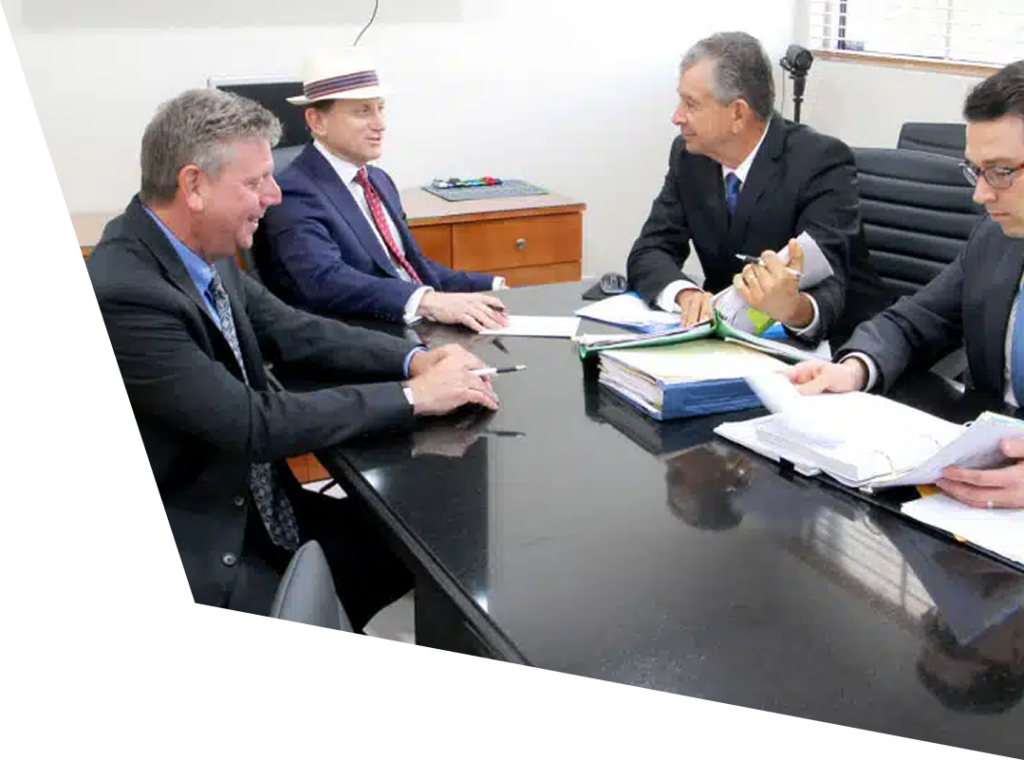
What a Claim May Cover
A rear-end collision claim in Florida can address several kinds of losses, depending on the facts of your case. These generally include medical treatment connected to the crash, lost income if your injuries kept you from working, out-of-pocket costs like medication or transportation to appointments, vehicle repair or replacement, and compensation for pain and physical limitations that affect your daily life. Florida’s insurance rules also require an initial layer of coverage through your own policy for certain medical costs, and we help sort out how that coverage interacts with a claim against the at-fault driver. We do not promise a particular result. What we can promise is a clear explanation of what applies to your situation before you sign anything.
FAQ
What should I do right after a rear-end collision on NW 27th Avenue or near the stadium?
Call 911 so a report is made, get medical attention even if you feel only mild soreness, and take photos of both vehicles and the surrounding traffic if it is safe to do so. Whiplash and disc injuries often do not show full symptoms until a day or two later, so an early medical record matters even if you feel okay at the scene.
Does it matter that my crash happened during a Hard Rock Stadium event?
It can. Insurance companies sometimes try to argue that heavy event traffic should have been anticipated, which they use to suggest shared fault. We review event schedules, traffic conditions, and any available camera footage to make sure that argument does not unfairly reduce your claim.
The other driver's insurance says it was a minor accident and won't pay much. Is that final?
No. An insurance company's initial offer is a starting position, not a final determination of what your claim is worth. We review your medical records and damages independently before responding to any offer.
How long do I have to file a claim in Florida?
Florida sets filing deadlines that vary depending on the type of claim, and the deadline can be shorter if a government vehicle or entity is involved. Rather than rely on a general rule, call us so we can tell you what applies to your specific situation.
What does a free case review actually involve?
You tell us what happened, we ask a few questions about the crash and your injuries, and we explain your options plainly. There is no cost and no obligation to hire us afterward.
Other Injury Claims We Handle in Miami Gardens
Rear-end crashes are only one part of what we see in Miami Gardens. We also handle Car Accident claims generally, Slip and Fall injuries at stores and apartment complexes, Truck Accident cases involving commercial vehicles on the Palmetto, Motorcycle Accident claims, Pedestrian Accident cases near the stadium and along busy corridors, Bicycle Accident injuries, Rideshare Accident (Uber and Lyft) claims from event traffic, and Bus Accident cases involving Miami-Dade Transit or private carriers. If you are not sure which category fits your situation, call and we will help you figure it out.
Why the days after the crash matter
What you do in the first week after a rear-end collision affects your claim more than most people expect. Insurance companies for both drivers start reviewing the file almost immediately, and gaps in treatment or missing documentation get used against you later. Seeing a doctor promptly, keeping copies of your bills, and avoiding recorded statements to the other driver’s insurer before you understand your rights all help protect the claim you may have.
Free Case Review
We offer a free case review for people injured in a rear-end collision in Miami Gardens. There is no cost to talk with us, and you pay no attorney’s fee unless we recover for you. We will listen to what happened, look at what documentation you already have, and give you a straight answer about your options.
Helping Those Injured in Accidents Across Florida
The Injury Claim Law Firm represents injured people throughout South Florida, from Miami Gardens to Miami Gardens and the surrounding communities. We handle claims arising from Florida crashes only, and every case is built around the specific facts, medical records, and local conditions involved, not a one-size-fits-all approach.
Filing deadlines and why timing matters
Florida law sets deadlines for filing an injury claim, and those deadlines vary depending on the type of claim and who is involved. If a government vehicle or entity was involved in your rear-end collision, for example a Miami Gardens city vehicle or a Miami-Dade Transit bus, the deadline can be considerably shorter and may require a formal notice before you can even file suit. Rather than guess at how much time you have, call us and we will tell you where your claim stands and what needs to happen next.