
Call Or Text 24x7
- About Us
- Practice Areas
- Injuries
- FAQs
- Articles
- Location
- Service AreasAventura, FL
- Personal Injury Lawyer
- Car Accident Lawyer
- Slip and Fall Lawyer
- Truck Accident Lawyer
- Motorcycle Accident Lawyer
- Pedestrian Accident Lawyer
- Bicycle Accident Lawyer
- Rideshare Accident Lawyer
- Bus Accident Lawyer
- Wrongful Death Lawyer
- Premises Liability Lawyer
- Negligent Security Lawyer
- Dog Bite Lawyer
- Nursing Home Abuse Lawyer
- Medical Malpractice Lawyer
- Brain Injury Lawyer
- Spinal Cord Injury Lawyer
- Catastrophic Injury Lawyer
- Burn Injury Lawyer
- Construction Accident Lawyer
- Boating Accident Lawyer
- Cruise Ship Accident Lawyer
- Product Liability Lawyer
- DUI Accident Lawyer
- Hit and Run Lawyer
- Rear-End Collision Lawyer
- Underinsured Motorist Lawyer
- HOA Negligence Injury Lawyer
Hialeah, FL- Personal Injury Lawyer
- Car Accident Lawyer
- Slip and Fall Lawyer
- Truck Accident Lawyer
- Motorcycle Accident Lawyer
- Pedestrian Accident Lawyer
- Bicycle Accident Lawyer
- Rideshare Accident Lawyer
- Bus Accident Lawyer
- Wrongful Death Lawyer
- Premises Liability Lawyer
- Negligent Security Lawyer
- Dog Bite Lawyer
- Nursing Home Abuse Lawyer
- Medical Malpractice Lawyer
- Brain Injury Lawyer
- Spinal Cord Injury Lawyer
- Catastrophic Injury Lawyer
- Burn Injury Lawyer
- Construction Accident Lawyer
- Boating Accident Lawyer
- Cruise Ship Accident Lawyer
- Product Liability Lawyer
- DUI Accident Lawyer
- Hit and Run Lawyer
- Rear-End Collision Lawyer
- Underinsured Motorist Lawyer
- HOA Negligence Injury Lawyer
Sunny Isles Beach, FL- Personal Injury Lawyer
- Car Accident Lawyer
- Slip and Fall Lawyer
- Truck Accident Lawyer
- Motorcycle Accident Lawyer
- Pedestrian Accident Lawyer
- Bicycle Accident Lawyer
- Rideshare Accident Lawyer
- Bus Accident Lawyer
- Wrongful Death Lawyer
- Premises Liability Lawyer
- Negligent Security Lawyer
- Dog Bite Lawyer
- Nursing Home Abuse Lawyer
- Medical Malpractice Lawyer
- Brain Injury Lawyer
- Spinal Cord Injury Lawyer
- Catastrophic Injury Lawyer
- Burn Injury Lawyer
- Construction Accident Lawyer
- Boating Accident Lawyer
- Cruise Ship Accident Lawyer
- Product Liability Lawyer
- DUI Accident Lawyer
- Hit and Run Lawyer
- Rear-End Collision Lawyer
- Underinsured Motorist Lawyer
- HOA Negligence Injury Lawyer
Golden Beach, FL- Personal Injury Lawyer
- Car Accident Lawyer
- Slip and Fall Lawyer
- Truck Accident Lawyer
- Motorcycle Accident Lawyer
- Pedestrian Accident Lawyer
- Bicycle Accident Lawyer
- Rideshare Accident Lawyer
- Bus Accident Lawyer
- Wrongful Death Lawyer
- Premises Liability Lawyer
- Negligent Security Lawyer
- Dog Bite Lawyer
- Nursing Home Abuse Lawyer
- Medical Malpractice Lawyer
- Brain Injury Lawyer
- Spinal Cord Injury Lawyer
- Catastrophic Injury Lawyer
- Burn Injury Lawyer
- Construction Accident Lawyer
- Boating Accident Lawyer
- Cruise Ship Accident Lawyer
- Product Liability Lawyer
- DUI Accident Lawyer
- Hit and Run Lawyer
- Rear-End Collision Lawyer
- Underinsured Motorist Lawyer
- HOA Negligence Injury Lawyer
Hallandale Beach, FL- Personal Injury Lawyer
- Car Accident Lawyer
- Slip and Fall Lawyer
- Truck Accident Lawyer
- Motorcycle Accident Lawyer
- Pedestrian Accident Lawyer
- Bicycle Accident Lawyer
- Rideshare Accident Lawyer
- Bus Accident Lawyer
- Wrongful Death Lawyer
- Premises Liability Lawyer
- Negligent Security Lawyer
- Dog Bite Lawyer
- Nursing Home Abuse Lawyer
- Medical Malpractice Lawyer
- Brain Injury Lawyer
- Spinal Cord Injury Lawyer
- Catastrophic Injury Lawyer
- Burn Injury Lawyer
- Construction Accident Lawyer
- Boating Accident Lawyer
- Cruise Ship Accident Lawyer
- Product Liability Lawyer
- DUI Accident Lawyer
- Hit and Run Lawyer
- Rear-End Collision Lawyer
- Underinsured Motorist Lawyer
- HOA Negligence Injury Lawyer
Bal Harbour, FL- Personal Injury Lawyer
- Car Accident Lawyer
- Slip and Fall Lawyer
- Truck Accident Lawyer
- Motorcycle Accident Lawyer
- Pedestrian Accident Lawyer
- Bicycle Accident Lawyer
- Rideshare Accident Lawyer
- Bus Accident Lawyer
- Wrongful Death Lawyer
- Premises Liability Lawyer
- Negligent Security Lawyer
- Dog Bite Lawyer
- Nursing Home Abuse Lawyer
- Medical Malpractice Lawyer
- Brain Injury Lawyer
- Spinal Cord Injury Lawyer
- Catastrophic Injury Lawyer
- Burn Injury Lawyer
- Construction Accident Lawyer
- Boating Accident Lawyer
- Cruise Ship Accident Lawyer
- Product Liability Lawyer
- DUI Accident Lawyer
- Hit and Run Lawyer
- Rear-End Collision Lawyer
- Underinsured Motorist Lawyer
- HOA Negligence Injury Lawyer
Bay Harbor Islands, FL- Personal Injury Lawyer
- Car Accident Lawyer
- Slip and Fall Lawyer
- Truck Accident Lawyer
- Motorcycle Accident Lawyer
- Pedestrian Accident Lawyer
- Bicycle Accident Lawyer
- Rideshare Accident Lawyer
- Bus Accident Lawyer
- Wrongful Death Lawyer
- Premises Liability Lawyer
- Negligent Security Lawyer
- Dog Bite Lawyer
- Nursing Home Abuse Lawyer
- Medical Malpractice Lawyer
- Brain Injury Lawyer
- Spinal Cord Injury Lawyer
- Catastrophic Injury Lawyer
- Burn Injury Lawyer
- Construction Accident Lawyer
- Boating Accident Lawyer
- Cruise Ship Accident Lawyer
- Product Liability Lawyer
- DUI Accident Lawyer
- Hit and Run Lawyer
- Rear-End Collision Lawyer
- Underinsured Motorist Lawyer
- HOA Negligence Injury Lawyer
Surfside, FL- Personal Injury Lawyer
- Car Accident Lawyer
- Slip and Fall Lawyer
- Truck Accident Lawyer
- Motorcycle Accident Lawyer
- Pedestrian Accident Lawyer
- Bicycle Accident Lawyer
- Rideshare Accident Lawyer
- Bus Accident Lawyer
- Wrongful Death Lawyer
- Premises Liability Lawyer
- Negligent Security Lawyer
- Dog Bite Lawyer
- Nursing Home Abuse Lawyer
- Medical Malpractice Lawyer
- Brain Injury Lawyer
- Spinal Cord Injury Lawyer
- Catastrophic Injury Lawyer
- Burn Injury Lawyer
- Construction Accident Lawyer
- Boating Accident Lawyer
- Cruise Ship Accident Lawyer
- Product Liability Lawyer
- DUI Accident Lawyer
- Hit and Run Lawyer
- Rear-End Collision Lawyer
- Underinsured Motorist Lawyer
- HOA Negligence Injury Lawyer
Eastern Shores, FL- Personal Injury Lawyer
- Car Accident Lawyer
- Slip and Fall Lawyer
- Truck Accident Lawyer
- Motorcycle Accident Lawyer
- Pedestrian Accident Lawyer
- Bicycle Accident Lawyer
- Rideshare Accident Lawyer
- Bus Accident Lawyer
- Wrongful Death Lawyer
- Premises Liability Lawyer
- Negligent Security Lawyer
- Dog Bite Lawyer
- Nursing Home Abuse Lawyer
- Medical Malpractice Lawyer
- Brain Injury Lawyer
- Spinal Cord Injury Lawyer
- Catastrophic Injury Lawyer
- Burn Injury Lawyer
- Construction Accident Lawyer
- Boating Accident Lawyer
- Cruise Ship Accident Lawyer
- Product Liability Lawyer
- DUI Accident Lawyer
- Hit and Run Lawyer
- Rear-End Collision Lawyer
- Underinsured Motorist Lawyer
- HOA Negligence Injury Lawyer
Ives Estates, FL- Personal Injury Lawyer
- Car Accident Lawyer
- Slip and Fall Lawyer
- Truck Accident Lawyer
- Motorcycle Accident Lawyer
- Pedestrian Accident Lawyer
- Bicycle Accident Lawyer
- Rideshare Accident Lawyer
- Bus Accident Lawyer
- Wrongful Death Lawyer
- Premises Liability Lawyer
- Negligent Security Lawyer
- Dog Bite Lawyer
- Nursing Home Abuse Lawyer
- Medical Malpractice Lawyer
- Brain Injury Lawyer
- Spinal Cord Injury Lawyer
- Catastrophic Injury Lawyer
- Burn Injury Lawyer
- Construction Accident Lawyer
- Boating Accident Lawyer
- Cruise Ship Accident Lawyer
- Product Liability Lawyer
- DUI Accident Lawyer
- Hit and Run Lawyer
- Rear-End Collision Lawyer
- Underinsured Motorist Lawyer
- HOA Negligence Injury Lawyer
North Miami Beach, FL- Personal Injury Lawyer
- Car Accident Lawyer
- Slip and Fall Lawyer
- Truck Accident Lawyer
- Motorcycle Accident Lawyer
- Pedestrian Accident Lawyer
- Bicycle Accident Lawyer
- Rideshare Accident Lawyer
- Bus Accident Lawyer
- Wrongful Death Lawyer
- Premises Liability Lawyer
- Negligent Security Lawyer
- Dog Bite Lawyer
- Nursing Home Abuse Lawyer
- Medical Malpractice Lawyer
- Brain Injury Lawyer
- Spinal Cord Injury Lawyer
- Catastrophic Injury Lawyer
- Burn Injury Lawyer
- Construction Accident Lawyer
- Boating Accident Lawyer
- Cruise Ship Accident Lawyer
- Product Liability Lawyer
- DUI Accident Lawyer
- Hit and Run Lawyer
- Rear-End Collision Lawyer
- Underinsured Motorist Lawyer
- HOA Negligence Injury Lawyer
North Miami, FL- Personal Injury Lawyer
- Car Accident Lawyer
- Slip and Fall Lawyer
- Truck Accident Lawyer
- Motorcycle Accident Lawyer
- Pedestrian Accident Lawyer
- Bicycle Accident Lawyer
- Rideshare Accident Lawyer
- Bus Accident Lawyer
- Wrongful Death Lawyer
- Premises Liability Lawyer
- Negligent Security Lawyer
- Dog Bite Lawyer
- Nursing Home Abuse Lawyer
- Medical Malpractice Lawyer
- Brain Injury Lawyer
- Spinal Cord Injury Lawyer
- Catastrophic Injury Lawyer
- Burn Injury Lawyer
- Construction Accident Lawyer
- Boating Accident Lawyer
- Cruise Ship Accident Lawyer
- Product Liability Lawyer
- DUI Accident Lawyer
- Hit and Run Lawyer
- Rear-End Collision Lawyer
- Underinsured Motorist Lawyer
- HOA Negligence Injury Lawyer
Miami Gardens, FL- Personal Injury Lawyer
- Car Accident Lawyer
- Slip and Fall Lawyer
- Truck Accident Lawyer
- Motorcycle Accident Lawyer
- Pedestrian Accident Lawyer
- Bicycle Accident Lawyer
- Rideshare Accident Lawyer
- Bus Accident Lawyer
- Wrongful Death Lawyer
- Premises Liability Lawyer
- Negligent Security Lawyer
- Dog Bite Lawyer
- Nursing Home Abuse Lawyer
- Medical Malpractice Lawyer
- Brain Injury Lawyer
- Spinal Cord Injury Lawyer
- Catastrophic Injury Lawyer
- Burn Injury Lawyer
- Construction Accident Lawyer
- Boating Accident Lawyer
- Cruise Ship Accident Lawyer
- Product Liability Lawyer
- DUI Accident Lawyer
- Hit and Run Lawyer
- Rear-End Collision Lawyer
- Underinsured Motorist Lawyer
- HOA Negligence Injury Lawyer
Dania Beach, FL- Personal Injury Lawyer
- Car Accident Lawyer
- Slip and Fall Lawyer
- Truck Accident Lawyer
- Motorcycle Accident Lawyer
- Pedestrian Accident Lawyer
- Bicycle Accident Lawyer
- Rideshare Accident Lawyer
- Bus Accident Lawyer
- Wrongful Death Lawyer
- Premises Liability Lawyer
- Negligent Security Lawyer
- Dog Bite Lawyer
- Nursing Home Abuse Lawyer
- Medical Malpractice Lawyer
- Brain Injury Lawyer
- Spinal Cord Injury Lawyer
- Catastrophic Injury Lawyer
- Burn Injury Lawyer
- Construction Accident Lawyer
- Boating Accident Lawyer
- Cruise Ship Accident Lawyer
- Product Liability Lawyer
- DUI Accident Lawyer
- Hit and Run Lawyer
- Rear-End Collision Lawyer
- Underinsured Motorist Lawyer
- HOA Negligence Injury Lawyer
Miramar, FL- Personal Injury Lawyer
- Car Accident Lawyer
- Slip and Fall Lawyer
- Truck Accident Lawyer
- Motorcycle Accident Lawyer
- Pedestrian Accident Lawyer
- Bicycle Accident Lawyer
- Rideshare Accident Lawyer
- Bus Accident Lawyer
- Wrongful Death Lawyer
- Premises Liability Lawyer
- Negligent Security Lawyer
- Dog Bite Lawyer
- Nursing Home Abuse Lawyer
- Medical Malpractice Lawyer
- Brain Injury Lawyer
- Spinal Cord Injury Lawyer
- Catastrophic Injury Lawyer
- Burn Injury Lawyer
- Construction Accident Lawyer
- Boating Accident Lawyer
- Cruise Ship Accident Lawyer
- Product Liability Lawyer
- DUI Accident Lawyer
- Hit and Run Lawyer
- Rear-End Collision Lawyer
- Underinsured Motorist Lawyer
- HOA Negligence Injury Lawyer
Miami Lakes, FL- Personal Injury Lawyer
- Car Accident Lawyer
- Slip and Fall Lawyer
- Truck Accident Lawyer
- Motorcycle Accident Lawyer
- Pedestrian Accident Lawyer
- Bicycle Accident Lawyer
- Rideshare Accident Lawyer
- Bus Accident Lawyer
- Wrongful Death Lawyer
- Premises Liability Lawyer
- Negligent Security Lawyer
- Dog Bite Lawyer
- Nursing Home Abuse Lawyer
- Medical Malpractice Lawyer
- Brain Injury Lawyer
- Spinal Cord Injury Lawyer
- Catastrophic Injury Lawyer
- Burn Injury Lawyer
- Construction Accident Lawyer
- Boating Accident Lawyer
- Cruise Ship Accident Lawyer
- Product Liability Lawyer
- DUI Accident Lawyer
- Hit and Run Lawyer
- Rear-End Collision Lawyer
- Underinsured Motorist Lawyer
- HOA Negligence Injury Lawyer
Opa-Locka, FL- Personal Injury Lawyer
- Car Accident Lawyer
- Slip and Fall Lawyer
- Truck Accident Lawyer
- Motorcycle Accident Lawyer
- Pedestrian Accident Lawyer
- Bicycle Accident Lawyer
- Rideshare Accident Lawyer
- Bus Accident Lawyer
- Wrongful Death Lawyer
- Premises Liability Lawyer
- Negligent Security Lawyer
- Dog Bite Lawyer
- Nursing Home Abuse Lawyer
- Medical Malpractice Lawyer
- Brain Injury Lawyer
- Spinal Cord Injury Lawyer
- Catastrophic Injury Lawyer
- Burn Injury Lawyer
- Construction Accident Lawyer
- Boating Accident Lawyer
- Cruise Ship Accident Lawyer
- Product Liability Lawyer
- DUI Accident Lawyer
- Hit and Run Lawyer
- Rear-End Collision Lawyer
- Underinsured Motorist Lawyer
- HOA Negligence Injury Lawyer
Hollywood, FL- Personal Injury Lawyer
- Car Accident Lawyer
- Slip and Fall Lawyer
- Truck Accident Lawyer
- Motorcycle Accident Lawyer
- Pedestrian Accident Lawyer
- Bicycle Accident Lawyer
- Rideshare Accident Lawyer
- Bus Accident Lawyer
- Wrongful Death Lawyer
- Premises Liability Lawyer
- Negligent Security Lawyer
- Dog Bite Lawyer
- Nursing Home Abuse Lawyer
- Medical Malpractice Lawyer
- Brain Injury Lawyer
- Spinal Cord Injury Lawyer
- Catastrophic Injury Lawyer
- Burn Injury Lawyer
- Construction Accident Lawyer
- Boating Accident Lawyer
- Cruise Ship Accident Lawyer
- Product Liability Lawyer
- DUI Accident Lawyer
- Hit and Run Lawyer
- Rear-End Collision Lawyer
- Underinsured Motorist Lawyer
- HOA Negligence Injury Lawyer
- About Us
- Practice Areas
- Injuries
- FAQs
- Articles
- Location
- Service AreasAventura, FL
- Personal Injury Lawyer
- Car Accident Lawyer
- Slip and Fall Lawyer
- Truck Accident Lawyer
- Motorcycle Accident Lawyer
- Pedestrian Accident Lawyer
- Bicycle Accident Lawyer
- Rideshare Accident Lawyer
- Bus Accident Lawyer
- Wrongful Death Lawyer
- Premises Liability Lawyer
- Negligent Security Lawyer
- Dog Bite Lawyer
- Nursing Home Abuse Lawyer
- Medical Malpractice Lawyer
- Brain Injury Lawyer
- Spinal Cord Injury Lawyer
- Catastrophic Injury Lawyer
- Burn Injury Lawyer
- Construction Accident Lawyer
- Boating Accident Lawyer
- Cruise Ship Accident Lawyer
- Product Liability Lawyer
- DUI Accident Lawyer
- Hit and Run Lawyer
- Rear-End Collision Lawyer
- Underinsured Motorist Lawyer
- HOA Negligence Injury Lawyer
Hialeah, FL- Personal Injury Lawyer
- Car Accident Lawyer
- Slip and Fall Lawyer
- Truck Accident Lawyer
- Motorcycle Accident Lawyer
- Pedestrian Accident Lawyer
- Bicycle Accident Lawyer
- Rideshare Accident Lawyer
- Bus Accident Lawyer
- Wrongful Death Lawyer
- Premises Liability Lawyer
- Negligent Security Lawyer
- Dog Bite Lawyer
- Nursing Home Abuse Lawyer
- Medical Malpractice Lawyer
- Brain Injury Lawyer
- Spinal Cord Injury Lawyer
- Catastrophic Injury Lawyer
- Burn Injury Lawyer
- Construction Accident Lawyer
- Boating Accident Lawyer
- Cruise Ship Accident Lawyer
- Product Liability Lawyer
- DUI Accident Lawyer
- Hit and Run Lawyer
- Rear-End Collision Lawyer
- Underinsured Motorist Lawyer
- HOA Negligence Injury Lawyer
Sunny Isles Beach, FL- Personal Injury Lawyer
- Car Accident Lawyer
- Slip and Fall Lawyer
- Truck Accident Lawyer
- Motorcycle Accident Lawyer
- Pedestrian Accident Lawyer
- Bicycle Accident Lawyer
- Rideshare Accident Lawyer
- Bus Accident Lawyer
- Wrongful Death Lawyer
- Premises Liability Lawyer
- Negligent Security Lawyer
- Dog Bite Lawyer
- Nursing Home Abuse Lawyer
- Medical Malpractice Lawyer
- Brain Injury Lawyer
- Spinal Cord Injury Lawyer
- Catastrophic Injury Lawyer
- Burn Injury Lawyer
- Construction Accident Lawyer
- Boating Accident Lawyer
- Cruise Ship Accident Lawyer
- Product Liability Lawyer
- DUI Accident Lawyer
- Hit and Run Lawyer
- Rear-End Collision Lawyer
- Underinsured Motorist Lawyer
- HOA Negligence Injury Lawyer
Golden Beach, FL- Personal Injury Lawyer
- Car Accident Lawyer
- Slip and Fall Lawyer
- Truck Accident Lawyer
- Motorcycle Accident Lawyer
- Pedestrian Accident Lawyer
- Bicycle Accident Lawyer
- Rideshare Accident Lawyer
- Bus Accident Lawyer
- Wrongful Death Lawyer
- Premises Liability Lawyer
- Negligent Security Lawyer
- Dog Bite Lawyer
- Nursing Home Abuse Lawyer
- Medical Malpractice Lawyer
- Brain Injury Lawyer
- Spinal Cord Injury Lawyer
- Catastrophic Injury Lawyer
- Burn Injury Lawyer
- Construction Accident Lawyer
- Boating Accident Lawyer
- Cruise Ship Accident Lawyer
- Product Liability Lawyer
- DUI Accident Lawyer
- Hit and Run Lawyer
- Rear-End Collision Lawyer
- Underinsured Motorist Lawyer
- HOA Negligence Injury Lawyer
Hallandale Beach, FL- Personal Injury Lawyer
- Car Accident Lawyer
- Slip and Fall Lawyer
- Truck Accident Lawyer
- Motorcycle Accident Lawyer
- Pedestrian Accident Lawyer
- Bicycle Accident Lawyer
- Rideshare Accident Lawyer
- Bus Accident Lawyer
- Wrongful Death Lawyer
- Premises Liability Lawyer
- Negligent Security Lawyer
- Dog Bite Lawyer
- Nursing Home Abuse Lawyer
- Medical Malpractice Lawyer
- Brain Injury Lawyer
- Spinal Cord Injury Lawyer
- Catastrophic Injury Lawyer
- Burn Injury Lawyer
- Construction Accident Lawyer
- Boating Accident Lawyer
- Cruise Ship Accident Lawyer
- Product Liability Lawyer
- DUI Accident Lawyer
- Hit and Run Lawyer
- Rear-End Collision Lawyer
- Underinsured Motorist Lawyer
- HOA Negligence Injury Lawyer
Bal Harbour, FL- Personal Injury Lawyer
- Car Accident Lawyer
- Slip and Fall Lawyer
- Truck Accident Lawyer
- Motorcycle Accident Lawyer
- Pedestrian Accident Lawyer
- Bicycle Accident Lawyer
- Rideshare Accident Lawyer
- Bus Accident Lawyer
- Wrongful Death Lawyer
- Premises Liability Lawyer
- Negligent Security Lawyer
- Dog Bite Lawyer
- Nursing Home Abuse Lawyer
- Medical Malpractice Lawyer
- Brain Injury Lawyer
- Spinal Cord Injury Lawyer
- Catastrophic Injury Lawyer
- Burn Injury Lawyer
- Construction Accident Lawyer
- Boating Accident Lawyer
- Cruise Ship Accident Lawyer
- Product Liability Lawyer
- DUI Accident Lawyer
- Hit and Run Lawyer
- Rear-End Collision Lawyer
- Underinsured Motorist Lawyer
- HOA Negligence Injury Lawyer
Bay Harbor Islands, FL- Personal Injury Lawyer
- Car Accident Lawyer
- Slip and Fall Lawyer
- Truck Accident Lawyer
- Motorcycle Accident Lawyer
- Pedestrian Accident Lawyer
- Bicycle Accident Lawyer
- Rideshare Accident Lawyer
- Bus Accident Lawyer
- Wrongful Death Lawyer
- Premises Liability Lawyer
- Negligent Security Lawyer
- Dog Bite Lawyer
- Nursing Home Abuse Lawyer
- Medical Malpractice Lawyer
- Brain Injury Lawyer
- Spinal Cord Injury Lawyer
- Catastrophic Injury Lawyer
- Burn Injury Lawyer
- Construction Accident Lawyer
- Boating Accident Lawyer
- Cruise Ship Accident Lawyer
- Product Liability Lawyer
- DUI Accident Lawyer
- Hit and Run Lawyer
- Rear-End Collision Lawyer
- Underinsured Motorist Lawyer
- HOA Negligence Injury Lawyer
Surfside, FL- Personal Injury Lawyer
- Car Accident Lawyer
- Slip and Fall Lawyer
- Truck Accident Lawyer
- Motorcycle Accident Lawyer
- Pedestrian Accident Lawyer
- Bicycle Accident Lawyer
- Rideshare Accident Lawyer
- Bus Accident Lawyer
- Wrongful Death Lawyer
- Premises Liability Lawyer
- Negligent Security Lawyer
- Dog Bite Lawyer
- Nursing Home Abuse Lawyer
- Medical Malpractice Lawyer
- Brain Injury Lawyer
- Spinal Cord Injury Lawyer
- Catastrophic Injury Lawyer
- Burn Injury Lawyer
- Construction Accident Lawyer
- Boating Accident Lawyer
- Cruise Ship Accident Lawyer
- Product Liability Lawyer
- DUI Accident Lawyer
- Hit and Run Lawyer
- Rear-End Collision Lawyer
- Underinsured Motorist Lawyer
- HOA Negligence Injury Lawyer
Eastern Shores, FL- Personal Injury Lawyer
- Car Accident Lawyer
- Slip and Fall Lawyer
- Truck Accident Lawyer
- Motorcycle Accident Lawyer
- Pedestrian Accident Lawyer
- Bicycle Accident Lawyer
- Rideshare Accident Lawyer
- Bus Accident Lawyer
- Wrongful Death Lawyer
- Premises Liability Lawyer
- Negligent Security Lawyer
- Dog Bite Lawyer
- Nursing Home Abuse Lawyer
- Medical Malpractice Lawyer
- Brain Injury Lawyer
- Spinal Cord Injury Lawyer
- Catastrophic Injury Lawyer
- Burn Injury Lawyer
- Construction Accident Lawyer
- Boating Accident Lawyer
- Cruise Ship Accident Lawyer
- Product Liability Lawyer
- DUI Accident Lawyer
- Hit and Run Lawyer
- Rear-End Collision Lawyer
- Underinsured Motorist Lawyer
- HOA Negligence Injury Lawyer
Ives Estates, FL- Personal Injury Lawyer
- Car Accident Lawyer
- Slip and Fall Lawyer
- Truck Accident Lawyer
- Motorcycle Accident Lawyer
- Pedestrian Accident Lawyer
- Bicycle Accident Lawyer
- Rideshare Accident Lawyer
- Bus Accident Lawyer
- Wrongful Death Lawyer
- Premises Liability Lawyer
- Negligent Security Lawyer
- Dog Bite Lawyer
- Nursing Home Abuse Lawyer
- Medical Malpractice Lawyer
- Brain Injury Lawyer
- Spinal Cord Injury Lawyer
- Catastrophic Injury Lawyer
- Burn Injury Lawyer
- Construction Accident Lawyer
- Boating Accident Lawyer
- Cruise Ship Accident Lawyer
- Product Liability Lawyer
- DUI Accident Lawyer
- Hit and Run Lawyer
- Rear-End Collision Lawyer
- Underinsured Motorist Lawyer
- HOA Negligence Injury Lawyer
North Miami Beach, FL- Personal Injury Lawyer
- Car Accident Lawyer
- Slip and Fall Lawyer
- Truck Accident Lawyer
- Motorcycle Accident Lawyer
- Pedestrian Accident Lawyer
- Bicycle Accident Lawyer
- Rideshare Accident Lawyer
- Bus Accident Lawyer
- Wrongful Death Lawyer
- Premises Liability Lawyer
- Negligent Security Lawyer
- Dog Bite Lawyer
- Nursing Home Abuse Lawyer
- Medical Malpractice Lawyer
- Brain Injury Lawyer
- Spinal Cord Injury Lawyer
- Catastrophic Injury Lawyer
- Burn Injury Lawyer
- Construction Accident Lawyer
- Boating Accident Lawyer
- Cruise Ship Accident Lawyer
- Product Liability Lawyer
- DUI Accident Lawyer
- Hit and Run Lawyer
- Rear-End Collision Lawyer
- Underinsured Motorist Lawyer
- HOA Negligence Injury Lawyer
North Miami, FL- Personal Injury Lawyer
- Car Accident Lawyer
- Slip and Fall Lawyer
- Truck Accident Lawyer
- Motorcycle Accident Lawyer
- Pedestrian Accident Lawyer
- Bicycle Accident Lawyer
- Rideshare Accident Lawyer
- Bus Accident Lawyer
- Wrongful Death Lawyer
- Premises Liability Lawyer
- Negligent Security Lawyer
- Dog Bite Lawyer
- Nursing Home Abuse Lawyer
- Medical Malpractice Lawyer
- Brain Injury Lawyer
- Spinal Cord Injury Lawyer
- Catastrophic Injury Lawyer
- Burn Injury Lawyer
- Construction Accident Lawyer
- Boating Accident Lawyer
- Cruise Ship Accident Lawyer
- Product Liability Lawyer
- DUI Accident Lawyer
- Hit and Run Lawyer
- Rear-End Collision Lawyer
- Underinsured Motorist Lawyer
- HOA Negligence Injury Lawyer
Miami Gardens, FL- Personal Injury Lawyer
- Car Accident Lawyer
- Slip and Fall Lawyer
- Truck Accident Lawyer
- Motorcycle Accident Lawyer
- Pedestrian Accident Lawyer
- Bicycle Accident Lawyer
- Rideshare Accident Lawyer
- Bus Accident Lawyer
- Wrongful Death Lawyer
- Premises Liability Lawyer
- Negligent Security Lawyer
- Dog Bite Lawyer
- Nursing Home Abuse Lawyer
- Medical Malpractice Lawyer
- Brain Injury Lawyer
- Spinal Cord Injury Lawyer
- Catastrophic Injury Lawyer
- Burn Injury Lawyer
- Construction Accident Lawyer
- Boating Accident Lawyer
- Cruise Ship Accident Lawyer
- Product Liability Lawyer
- DUI Accident Lawyer
- Hit and Run Lawyer
- Rear-End Collision Lawyer
- Underinsured Motorist Lawyer
- HOA Negligence Injury Lawyer
Dania Beach, FL- Personal Injury Lawyer
- Car Accident Lawyer
- Slip and Fall Lawyer
- Truck Accident Lawyer
- Motorcycle Accident Lawyer
- Pedestrian Accident Lawyer
- Bicycle Accident Lawyer
- Rideshare Accident Lawyer
- Bus Accident Lawyer
- Wrongful Death Lawyer
- Premises Liability Lawyer
- Negligent Security Lawyer
- Dog Bite Lawyer
- Nursing Home Abuse Lawyer
- Medical Malpractice Lawyer
- Brain Injury Lawyer
- Spinal Cord Injury Lawyer
- Catastrophic Injury Lawyer
- Burn Injury Lawyer
- Construction Accident Lawyer
- Boating Accident Lawyer
- Cruise Ship Accident Lawyer
- Product Liability Lawyer
- DUI Accident Lawyer
- Hit and Run Lawyer
- Rear-End Collision Lawyer
- Underinsured Motorist Lawyer
- HOA Negligence Injury Lawyer
Miramar, FL- Personal Injury Lawyer
- Car Accident Lawyer
- Slip and Fall Lawyer
- Truck Accident Lawyer
- Motorcycle Accident Lawyer
- Pedestrian Accident Lawyer
- Bicycle Accident Lawyer
- Rideshare Accident Lawyer
- Bus Accident Lawyer
- Wrongful Death Lawyer
- Premises Liability Lawyer
- Negligent Security Lawyer
- Dog Bite Lawyer
- Nursing Home Abuse Lawyer
- Medical Malpractice Lawyer
- Brain Injury Lawyer
- Spinal Cord Injury Lawyer
- Catastrophic Injury Lawyer
- Burn Injury Lawyer
- Construction Accident Lawyer
- Boating Accident Lawyer
- Cruise Ship Accident Lawyer
- Product Liability Lawyer
- DUI Accident Lawyer
- Hit and Run Lawyer
- Rear-End Collision Lawyer
- Underinsured Motorist Lawyer
- HOA Negligence Injury Lawyer
Miami Lakes, FL- Personal Injury Lawyer
- Car Accident Lawyer
- Slip and Fall Lawyer
- Truck Accident Lawyer
- Motorcycle Accident Lawyer
- Pedestrian Accident Lawyer
- Bicycle Accident Lawyer
- Rideshare Accident Lawyer
- Bus Accident Lawyer
- Wrongful Death Lawyer
- Premises Liability Lawyer
- Negligent Security Lawyer
- Dog Bite Lawyer
- Nursing Home Abuse Lawyer
- Medical Malpractice Lawyer
- Brain Injury Lawyer
- Spinal Cord Injury Lawyer
- Catastrophic Injury Lawyer
- Burn Injury Lawyer
- Construction Accident Lawyer
- Boating Accident Lawyer
- Cruise Ship Accident Lawyer
- Product Liability Lawyer
- DUI Accident Lawyer
- Hit and Run Lawyer
- Rear-End Collision Lawyer
- Underinsured Motorist Lawyer
- HOA Negligence Injury Lawyer
Opa-Locka, FL- Personal Injury Lawyer
- Car Accident Lawyer
- Slip and Fall Lawyer
- Truck Accident Lawyer
- Motorcycle Accident Lawyer
- Pedestrian Accident Lawyer
- Bicycle Accident Lawyer
- Rideshare Accident Lawyer
- Bus Accident Lawyer
- Wrongful Death Lawyer
- Premises Liability Lawyer
- Negligent Security Lawyer
- Dog Bite Lawyer
- Nursing Home Abuse Lawyer
- Medical Malpractice Lawyer
- Brain Injury Lawyer
- Spinal Cord Injury Lawyer
- Catastrophic Injury Lawyer
- Burn Injury Lawyer
- Construction Accident Lawyer
- Boating Accident Lawyer
- Cruise Ship Accident Lawyer
- Product Liability Lawyer
- DUI Accident Lawyer
- Hit and Run Lawyer
- Rear-End Collision Lawyer
- Underinsured Motorist Lawyer
- HOA Negligence Injury Lawyer
Hollywood, FL- Personal Injury Lawyer
- Car Accident Lawyer
- Slip and Fall Lawyer
- Truck Accident Lawyer
- Motorcycle Accident Lawyer
- Pedestrian Accident Lawyer
- Bicycle Accident Lawyer
- Rideshare Accident Lawyer
- Bus Accident Lawyer
- Wrongful Death Lawyer
- Premises Liability Lawyer
- Negligent Security Lawyer
- Dog Bite Lawyer
- Nursing Home Abuse Lawyer
- Medical Malpractice Lawyer
- Brain Injury Lawyer
- Spinal Cord Injury Lawyer
- Catastrophic Injury Lawyer
- Burn Injury Lawyer
- Construction Accident Lawyer
- Boating Accident Lawyer
- Cruise Ship Accident Lawyer
- Product Liability Lawyer
- DUI Accident Lawyer
- Hit and Run Lawyer
- Rear-End Collision Lawyer
- Underinsured Motorist Lawyer
- HOA Negligence Injury Lawyer
- About Us
- Practice Areas
- Injuries
- FAQs
- Articles
- Location
- Service AreasAventura, FL
- Personal Injury Lawyer
- Car Accident Lawyer
- Slip and Fall Lawyer
- Truck Accident Lawyer
- Motorcycle Accident Lawyer
- Pedestrian Accident Lawyer
- Bicycle Accident Lawyer
- Rideshare Accident Lawyer
- Bus Accident Lawyer
- Wrongful Death Lawyer
- Premises Liability Lawyer
- Negligent Security Lawyer
- Dog Bite Lawyer
- Nursing Home Abuse Lawyer
- Medical Malpractice Lawyer
- Brain Injury Lawyer
- Spinal Cord Injury Lawyer
- Catastrophic Injury Lawyer
- Burn Injury Lawyer
- Construction Accident Lawyer
- Boating Accident Lawyer
- Cruise Ship Accident Lawyer
- Product Liability Lawyer
- DUI Accident Lawyer
- Hit and Run Lawyer
- Rear-End Collision Lawyer
- Underinsured Motorist Lawyer
- HOA Negligence Injury Lawyer
Hialeah, FL- Personal Injury Lawyer
- Car Accident Lawyer
- Slip and Fall Lawyer
- Truck Accident Lawyer
- Motorcycle Accident Lawyer
- Pedestrian Accident Lawyer
- Bicycle Accident Lawyer
- Rideshare Accident Lawyer
- Bus Accident Lawyer
- Wrongful Death Lawyer
- Premises Liability Lawyer
- Negligent Security Lawyer
- Dog Bite Lawyer
- Nursing Home Abuse Lawyer
- Medical Malpractice Lawyer
- Brain Injury Lawyer
- Spinal Cord Injury Lawyer
- Catastrophic Injury Lawyer
- Burn Injury Lawyer
- Construction Accident Lawyer
- Boating Accident Lawyer
- Cruise Ship Accident Lawyer
- Product Liability Lawyer
- DUI Accident Lawyer
- Hit and Run Lawyer
- Rear-End Collision Lawyer
- Underinsured Motorist Lawyer
- HOA Negligence Injury Lawyer
Sunny Isles Beach, FL- Personal Injury Lawyer
- Car Accident Lawyer
- Slip and Fall Lawyer
- Truck Accident Lawyer
- Motorcycle Accident Lawyer
- Pedestrian Accident Lawyer
- Bicycle Accident Lawyer
- Rideshare Accident Lawyer
- Bus Accident Lawyer
- Wrongful Death Lawyer
- Premises Liability Lawyer
- Negligent Security Lawyer
- Dog Bite Lawyer
- Nursing Home Abuse Lawyer
- Medical Malpractice Lawyer
- Brain Injury Lawyer
- Spinal Cord Injury Lawyer
- Catastrophic Injury Lawyer
- Burn Injury Lawyer
- Construction Accident Lawyer
- Boating Accident Lawyer
- Cruise Ship Accident Lawyer
- Product Liability Lawyer
- DUI Accident Lawyer
- Hit and Run Lawyer
- Rear-End Collision Lawyer
- Underinsured Motorist Lawyer
- HOA Negligence Injury Lawyer
Golden Beach, FL- Personal Injury Lawyer
- Car Accident Lawyer
- Slip and Fall Lawyer
- Truck Accident Lawyer
- Motorcycle Accident Lawyer
- Pedestrian Accident Lawyer
- Bicycle Accident Lawyer
- Rideshare Accident Lawyer
- Bus Accident Lawyer
- Wrongful Death Lawyer
- Premises Liability Lawyer
- Negligent Security Lawyer
- Dog Bite Lawyer
- Nursing Home Abuse Lawyer
- Medical Malpractice Lawyer
- Brain Injury Lawyer
- Spinal Cord Injury Lawyer
- Catastrophic Injury Lawyer
- Burn Injury Lawyer
- Construction Accident Lawyer
- Boating Accident Lawyer
- Cruise Ship Accident Lawyer
- Product Liability Lawyer
- DUI Accident Lawyer
- Hit and Run Lawyer
- Rear-End Collision Lawyer
- Underinsured Motorist Lawyer
- HOA Negligence Injury Lawyer
Hallandale Beach, FL- Personal Injury Lawyer
- Car Accident Lawyer
- Slip and Fall Lawyer
- Truck Accident Lawyer
- Motorcycle Accident Lawyer
- Pedestrian Accident Lawyer
- Bicycle Accident Lawyer
- Rideshare Accident Lawyer
- Bus Accident Lawyer
- Wrongful Death Lawyer
- Premises Liability Lawyer
- Negligent Security Lawyer
- Dog Bite Lawyer
- Nursing Home Abuse Lawyer
- Medical Malpractice Lawyer
- Brain Injury Lawyer
- Spinal Cord Injury Lawyer
- Catastrophic Injury Lawyer
- Burn Injury Lawyer
- Construction Accident Lawyer
- Boating Accident Lawyer
- Cruise Ship Accident Lawyer
- Product Liability Lawyer
- DUI Accident Lawyer
- Hit and Run Lawyer
- Rear-End Collision Lawyer
- Underinsured Motorist Lawyer
- HOA Negligence Injury Lawyer
Bal Harbour, FL- Personal Injury Lawyer
- Car Accident Lawyer
- Slip and Fall Lawyer
- Truck Accident Lawyer
- Motorcycle Accident Lawyer
- Pedestrian Accident Lawyer
- Bicycle Accident Lawyer
- Rideshare Accident Lawyer
- Bus Accident Lawyer
- Wrongful Death Lawyer
- Premises Liability Lawyer
- Negligent Security Lawyer
- Dog Bite Lawyer
- Nursing Home Abuse Lawyer
- Medical Malpractice Lawyer
- Brain Injury Lawyer
- Spinal Cord Injury Lawyer
- Catastrophic Injury Lawyer
- Burn Injury Lawyer
- Construction Accident Lawyer
- Boating Accident Lawyer
- Cruise Ship Accident Lawyer
- Product Liability Lawyer
- DUI Accident Lawyer
- Hit and Run Lawyer
- Rear-End Collision Lawyer
- Underinsured Motorist Lawyer
- HOA Negligence Injury Lawyer
Bay Harbor Islands, FL- Personal Injury Lawyer
- Car Accident Lawyer
- Slip and Fall Lawyer
- Truck Accident Lawyer
- Motorcycle Accident Lawyer
- Pedestrian Accident Lawyer
- Bicycle Accident Lawyer
- Rideshare Accident Lawyer
- Bus Accident Lawyer
- Wrongful Death Lawyer
- Premises Liability Lawyer
- Negligent Security Lawyer
- Dog Bite Lawyer
- Nursing Home Abuse Lawyer
- Medical Malpractice Lawyer
- Brain Injury Lawyer
- Spinal Cord Injury Lawyer
- Catastrophic Injury Lawyer
- Burn Injury Lawyer
- Construction Accident Lawyer
- Boating Accident Lawyer
- Cruise Ship Accident Lawyer
- Product Liability Lawyer
- DUI Accident Lawyer
- Hit and Run Lawyer
- Rear-End Collision Lawyer
- Underinsured Motorist Lawyer
- HOA Negligence Injury Lawyer
Surfside, FL- Personal Injury Lawyer
- Car Accident Lawyer
- Slip and Fall Lawyer
- Truck Accident Lawyer
- Motorcycle Accident Lawyer
- Pedestrian Accident Lawyer
- Bicycle Accident Lawyer
- Rideshare Accident Lawyer
- Bus Accident Lawyer
- Wrongful Death Lawyer
- Premises Liability Lawyer
- Negligent Security Lawyer
- Dog Bite Lawyer
- Nursing Home Abuse Lawyer
- Medical Malpractice Lawyer
- Brain Injury Lawyer
- Spinal Cord Injury Lawyer
- Catastrophic Injury Lawyer
- Burn Injury Lawyer
- Construction Accident Lawyer
- Boating Accident Lawyer
- Cruise Ship Accident Lawyer
- Product Liability Lawyer
- DUI Accident Lawyer
- Hit and Run Lawyer
- Rear-End Collision Lawyer
- Underinsured Motorist Lawyer
- HOA Negligence Injury Lawyer
Eastern Shores, FL- Personal Injury Lawyer
- Car Accident Lawyer
- Slip and Fall Lawyer
- Truck Accident Lawyer
- Motorcycle Accident Lawyer
- Pedestrian Accident Lawyer
- Bicycle Accident Lawyer
- Rideshare Accident Lawyer
- Bus Accident Lawyer
- Wrongful Death Lawyer
- Premises Liability Lawyer
- Negligent Security Lawyer
- Dog Bite Lawyer
- Nursing Home Abuse Lawyer
- Medical Malpractice Lawyer
- Brain Injury Lawyer
- Spinal Cord Injury Lawyer
- Catastrophic Injury Lawyer
- Burn Injury Lawyer
- Construction Accident Lawyer
- Boating Accident Lawyer
- Cruise Ship Accident Lawyer
- Product Liability Lawyer
- DUI Accident Lawyer
- Hit and Run Lawyer
- Rear-End Collision Lawyer
- Underinsured Motorist Lawyer
- HOA Negligence Injury Lawyer
Ives Estates, FL- Personal Injury Lawyer
- Car Accident Lawyer
- Slip and Fall Lawyer
- Truck Accident Lawyer
- Motorcycle Accident Lawyer
- Pedestrian Accident Lawyer
- Bicycle Accident Lawyer
- Rideshare Accident Lawyer
- Bus Accident Lawyer
- Wrongful Death Lawyer
- Premises Liability Lawyer
- Negligent Security Lawyer
- Dog Bite Lawyer
- Nursing Home Abuse Lawyer
- Medical Malpractice Lawyer
- Brain Injury Lawyer
- Spinal Cord Injury Lawyer
- Catastrophic Injury Lawyer
- Burn Injury Lawyer
- Construction Accident Lawyer
- Boating Accident Lawyer
- Cruise Ship Accident Lawyer
- Product Liability Lawyer
- DUI Accident Lawyer
- Hit and Run Lawyer
- Rear-End Collision Lawyer
- Underinsured Motorist Lawyer
- HOA Negligence Injury Lawyer
North Miami Beach, FL- Personal Injury Lawyer
- Car Accident Lawyer
- Slip and Fall Lawyer
- Truck Accident Lawyer
- Motorcycle Accident Lawyer
- Pedestrian Accident Lawyer
- Bicycle Accident Lawyer
- Rideshare Accident Lawyer
- Bus Accident Lawyer
- Wrongful Death Lawyer
- Premises Liability Lawyer
- Negligent Security Lawyer
- Dog Bite Lawyer
- Nursing Home Abuse Lawyer
- Medical Malpractice Lawyer
- Brain Injury Lawyer
- Spinal Cord Injury Lawyer
- Catastrophic Injury Lawyer
- Burn Injury Lawyer
- Construction Accident Lawyer
- Boating Accident Lawyer
- Cruise Ship Accident Lawyer
- Product Liability Lawyer
- DUI Accident Lawyer
- Hit and Run Lawyer
- Rear-End Collision Lawyer
- Underinsured Motorist Lawyer
- HOA Negligence Injury Lawyer
North Miami, FL- Personal Injury Lawyer
- Car Accident Lawyer
- Slip and Fall Lawyer
- Truck Accident Lawyer
- Motorcycle Accident Lawyer
- Pedestrian Accident Lawyer
- Bicycle Accident Lawyer
- Rideshare Accident Lawyer
- Bus Accident Lawyer
- Wrongful Death Lawyer
- Premises Liability Lawyer
- Negligent Security Lawyer
- Dog Bite Lawyer
- Nursing Home Abuse Lawyer
- Medical Malpractice Lawyer
- Brain Injury Lawyer
- Spinal Cord Injury Lawyer
- Catastrophic Injury Lawyer
- Burn Injury Lawyer
- Construction Accident Lawyer
- Boating Accident Lawyer
- Cruise Ship Accident Lawyer
- Product Liability Lawyer
- DUI Accident Lawyer
- Hit and Run Lawyer
- Rear-End Collision Lawyer
- Underinsured Motorist Lawyer
- HOA Negligence Injury Lawyer
Miami Gardens, FL- Personal Injury Lawyer
- Car Accident Lawyer
- Slip and Fall Lawyer
- Truck Accident Lawyer
- Motorcycle Accident Lawyer
- Pedestrian Accident Lawyer
- Bicycle Accident Lawyer
- Rideshare Accident Lawyer
- Bus Accident Lawyer
- Wrongful Death Lawyer
- Premises Liability Lawyer
- Negligent Security Lawyer
- Dog Bite Lawyer
- Nursing Home Abuse Lawyer
- Medical Malpractice Lawyer
- Brain Injury Lawyer
- Spinal Cord Injury Lawyer
- Catastrophic Injury Lawyer
- Burn Injury Lawyer
- Construction Accident Lawyer
- Boating Accident Lawyer
- Cruise Ship Accident Lawyer
- Product Liability Lawyer
- DUI Accident Lawyer
- Hit and Run Lawyer
- Rear-End Collision Lawyer
- Underinsured Motorist Lawyer
- HOA Negligence Injury Lawyer
Dania Beach, FL- Personal Injury Lawyer
- Car Accident Lawyer
- Slip and Fall Lawyer
- Truck Accident Lawyer
- Motorcycle Accident Lawyer
- Pedestrian Accident Lawyer
- Bicycle Accident Lawyer
- Rideshare Accident Lawyer
- Bus Accident Lawyer
- Wrongful Death Lawyer
- Premises Liability Lawyer
- Negligent Security Lawyer
- Dog Bite Lawyer
- Nursing Home Abuse Lawyer
- Medical Malpractice Lawyer
- Brain Injury Lawyer
- Spinal Cord Injury Lawyer
- Catastrophic Injury Lawyer
- Burn Injury Lawyer
- Construction Accident Lawyer
- Boating Accident Lawyer
- Cruise Ship Accident Lawyer
- Product Liability Lawyer
- DUI Accident Lawyer
- Hit and Run Lawyer
- Rear-End Collision Lawyer
- Underinsured Motorist Lawyer
- HOA Negligence Injury Lawyer
Miramar, FL- Personal Injury Lawyer
- Car Accident Lawyer
- Slip and Fall Lawyer
- Truck Accident Lawyer
- Motorcycle Accident Lawyer
- Pedestrian Accident Lawyer
- Bicycle Accident Lawyer
- Rideshare Accident Lawyer
- Bus Accident Lawyer
- Wrongful Death Lawyer
- Premises Liability Lawyer
- Negligent Security Lawyer
- Dog Bite Lawyer
- Nursing Home Abuse Lawyer
- Medical Malpractice Lawyer
- Brain Injury Lawyer
- Spinal Cord Injury Lawyer
- Catastrophic Injury Lawyer
- Burn Injury Lawyer
- Construction Accident Lawyer
- Boating Accident Lawyer
- Cruise Ship Accident Lawyer
- Product Liability Lawyer
- DUI Accident Lawyer
- Hit and Run Lawyer
- Rear-End Collision Lawyer
- Underinsured Motorist Lawyer
- HOA Negligence Injury Lawyer
Miami Lakes, FL- Personal Injury Lawyer
- Car Accident Lawyer
- Slip and Fall Lawyer
- Truck Accident Lawyer
- Motorcycle Accident Lawyer
- Pedestrian Accident Lawyer
- Bicycle Accident Lawyer
- Rideshare Accident Lawyer
- Bus Accident Lawyer
- Wrongful Death Lawyer
- Premises Liability Lawyer
- Negligent Security Lawyer
- Dog Bite Lawyer
- Nursing Home Abuse Lawyer
- Medical Malpractice Lawyer
- Brain Injury Lawyer
- Spinal Cord Injury Lawyer
- Catastrophic Injury Lawyer
- Burn Injury Lawyer
- Construction Accident Lawyer
- Boating Accident Lawyer
- Cruise Ship Accident Lawyer
- Product Liability Lawyer
- DUI Accident Lawyer
- Hit and Run Lawyer
- Rear-End Collision Lawyer
- Underinsured Motorist Lawyer
- HOA Negligence Injury Lawyer
Opa-Locka, FL- Personal Injury Lawyer
- Car Accident Lawyer
- Slip and Fall Lawyer
- Truck Accident Lawyer
- Motorcycle Accident Lawyer
- Pedestrian Accident Lawyer
- Bicycle Accident Lawyer
- Rideshare Accident Lawyer
- Bus Accident Lawyer
- Wrongful Death Lawyer
- Premises Liability Lawyer
- Negligent Security Lawyer
- Dog Bite Lawyer
- Nursing Home Abuse Lawyer
- Medical Malpractice Lawyer
- Brain Injury Lawyer
- Spinal Cord Injury Lawyer
- Catastrophic Injury Lawyer
- Burn Injury Lawyer
- Construction Accident Lawyer
- Boating Accident Lawyer
- Cruise Ship Accident Lawyer
- Product Liability Lawyer
- DUI Accident Lawyer
- Hit and Run Lawyer
- Rear-End Collision Lawyer
- Underinsured Motorist Lawyer
- HOA Negligence Injury Lawyer
Hollywood, FL- Personal Injury Lawyer
- Car Accident Lawyer
- Slip and Fall Lawyer
- Truck Accident Lawyer
- Motorcycle Accident Lawyer
- Pedestrian Accident Lawyer
- Bicycle Accident Lawyer
- Rideshare Accident Lawyer
- Bus Accident Lawyer
- Wrongful Death Lawyer
- Premises Liability Lawyer
- Negligent Security Lawyer
- Dog Bite Lawyer
- Nursing Home Abuse Lawyer
- Medical Malpractice Lawyer
- Brain Injury Lawyer
- Spinal Cord Injury Lawyer
- Catastrophic Injury Lawyer
- Burn Injury Lawyer
- Construction Accident Lawyer
- Boating Accident Lawyer
- Cruise Ship Accident Lawyer
- Product Liability Lawyer
- DUI Accident Lawyer
- Hit and Run Lawyer
- Rear-End Collision Lawyer
- Underinsured Motorist Lawyer
- HOA Negligence Injury Lawyer
- About Us
- Practice Areas
- Injuries
- FAQs
- Articles
- Location
- Service AreasAventura, FL
- Personal Injury Lawyer
- Car Accident Lawyer
- Slip and Fall Lawyer
- Truck Accident Lawyer
- Motorcycle Accident Lawyer
- Pedestrian Accident Lawyer
- Bicycle Accident Lawyer
- Rideshare Accident Lawyer
- Bus Accident Lawyer
- Wrongful Death Lawyer
- Premises Liability Lawyer
- Negligent Security Lawyer
- Dog Bite Lawyer
- Nursing Home Abuse Lawyer
- Medical Malpractice Lawyer
- Brain Injury Lawyer
- Spinal Cord Injury Lawyer
- Catastrophic Injury Lawyer
- Burn Injury Lawyer
- Construction Accident Lawyer
- Boating Accident Lawyer
- Cruise Ship Accident Lawyer
- Product Liability Lawyer
- DUI Accident Lawyer
- Hit and Run Lawyer
- Rear-End Collision Lawyer
- Underinsured Motorist Lawyer
- HOA Negligence Injury Lawyer
Hialeah, FL- Personal Injury Lawyer
- Car Accident Lawyer
- Slip and Fall Lawyer
- Truck Accident Lawyer
- Motorcycle Accident Lawyer
- Pedestrian Accident Lawyer
- Bicycle Accident Lawyer
- Rideshare Accident Lawyer
- Bus Accident Lawyer
- Wrongful Death Lawyer
- Premises Liability Lawyer
- Negligent Security Lawyer
- Dog Bite Lawyer
- Nursing Home Abuse Lawyer
- Medical Malpractice Lawyer
- Brain Injury Lawyer
- Spinal Cord Injury Lawyer
- Catastrophic Injury Lawyer
- Burn Injury Lawyer
- Construction Accident Lawyer
- Boating Accident Lawyer
- Cruise Ship Accident Lawyer
- Product Liability Lawyer
- DUI Accident Lawyer
- Hit and Run Lawyer
- Rear-End Collision Lawyer
- Underinsured Motorist Lawyer
- HOA Negligence Injury Lawyer
Sunny Isles Beach, FL- Personal Injury Lawyer
- Car Accident Lawyer
- Slip and Fall Lawyer
- Truck Accident Lawyer
- Motorcycle Accident Lawyer
- Pedestrian Accident Lawyer
- Bicycle Accident Lawyer
- Rideshare Accident Lawyer
- Bus Accident Lawyer
- Wrongful Death Lawyer
- Premises Liability Lawyer
- Negligent Security Lawyer
- Dog Bite Lawyer
- Nursing Home Abuse Lawyer
- Medical Malpractice Lawyer
- Brain Injury Lawyer
- Spinal Cord Injury Lawyer
- Catastrophic Injury Lawyer
- Burn Injury Lawyer
- Construction Accident Lawyer
- Boating Accident Lawyer
- Cruise Ship Accident Lawyer
- Product Liability Lawyer
- DUI Accident Lawyer
- Hit and Run Lawyer
- Rear-End Collision Lawyer
- Underinsured Motorist Lawyer
- HOA Negligence Injury Lawyer
Golden Beach, FL- Personal Injury Lawyer
- Car Accident Lawyer
- Slip and Fall Lawyer
- Truck Accident Lawyer
- Motorcycle Accident Lawyer
- Pedestrian Accident Lawyer
- Bicycle Accident Lawyer
- Rideshare Accident Lawyer
- Bus Accident Lawyer
- Wrongful Death Lawyer
- Premises Liability Lawyer
- Negligent Security Lawyer
- Dog Bite Lawyer
- Nursing Home Abuse Lawyer
- Medical Malpractice Lawyer
- Brain Injury Lawyer
- Spinal Cord Injury Lawyer
- Catastrophic Injury Lawyer
- Burn Injury Lawyer
- Construction Accident Lawyer
- Boating Accident Lawyer
- Cruise Ship Accident Lawyer
- Product Liability Lawyer
- DUI Accident Lawyer
- Hit and Run Lawyer
- Rear-End Collision Lawyer
- Underinsured Motorist Lawyer
- HOA Negligence Injury Lawyer
Hallandale Beach, FL- Personal Injury Lawyer
- Car Accident Lawyer
- Slip and Fall Lawyer
- Truck Accident Lawyer
- Motorcycle Accident Lawyer
- Pedestrian Accident Lawyer
- Bicycle Accident Lawyer
- Rideshare Accident Lawyer
- Bus Accident Lawyer
- Wrongful Death Lawyer
- Premises Liability Lawyer
- Negligent Security Lawyer
- Dog Bite Lawyer
- Nursing Home Abuse Lawyer
- Medical Malpractice Lawyer
- Brain Injury Lawyer
- Spinal Cord Injury Lawyer
- Catastrophic Injury Lawyer
- Burn Injury Lawyer
- Construction Accident Lawyer
- Boating Accident Lawyer
- Cruise Ship Accident Lawyer
- Product Liability Lawyer
- DUI Accident Lawyer
- Hit and Run Lawyer
- Rear-End Collision Lawyer
- Underinsured Motorist Lawyer
- HOA Negligence Injury Lawyer
Bal Harbour, FL- Personal Injury Lawyer
- Car Accident Lawyer
- Slip and Fall Lawyer
- Truck Accident Lawyer
- Motorcycle Accident Lawyer
- Pedestrian Accident Lawyer
- Bicycle Accident Lawyer
- Rideshare Accident Lawyer
- Bus Accident Lawyer
- Wrongful Death Lawyer
- Premises Liability Lawyer
- Negligent Security Lawyer
- Dog Bite Lawyer
- Nursing Home Abuse Lawyer
- Medical Malpractice Lawyer
- Brain Injury Lawyer
- Spinal Cord Injury Lawyer
- Catastrophic Injury Lawyer
- Burn Injury Lawyer
- Construction Accident Lawyer
- Boating Accident Lawyer
- Cruise Ship Accident Lawyer
- Product Liability Lawyer
- DUI Accident Lawyer
- Hit and Run Lawyer
- Rear-End Collision Lawyer
- Underinsured Motorist Lawyer
- HOA Negligence Injury Lawyer
Bay Harbor Islands, FL- Personal Injury Lawyer
- Car Accident Lawyer
- Slip and Fall Lawyer
- Truck Accident Lawyer
- Motorcycle Accident Lawyer
- Pedestrian Accident Lawyer
- Bicycle Accident Lawyer
- Rideshare Accident Lawyer
- Bus Accident Lawyer
- Wrongful Death Lawyer
- Premises Liability Lawyer
- Negligent Security Lawyer
- Dog Bite Lawyer
- Nursing Home Abuse Lawyer
- Medical Malpractice Lawyer
- Brain Injury Lawyer
- Spinal Cord Injury Lawyer
- Catastrophic Injury Lawyer
- Burn Injury Lawyer
- Construction Accident Lawyer
- Boating Accident Lawyer
- Cruise Ship Accident Lawyer
- Product Liability Lawyer
- DUI Accident Lawyer
- Hit and Run Lawyer
- Rear-End Collision Lawyer
- Underinsured Motorist Lawyer
- HOA Negligence Injury Lawyer
Surfside, FL- Personal Injury Lawyer
- Car Accident Lawyer
- Slip and Fall Lawyer
- Truck Accident Lawyer
- Motorcycle Accident Lawyer
- Pedestrian Accident Lawyer
- Bicycle Accident Lawyer
- Rideshare Accident Lawyer
- Bus Accident Lawyer
- Wrongful Death Lawyer
- Premises Liability Lawyer
- Negligent Security Lawyer
- Dog Bite Lawyer
- Nursing Home Abuse Lawyer
- Medical Malpractice Lawyer
- Brain Injury Lawyer
- Spinal Cord Injury Lawyer
- Catastrophic Injury Lawyer
- Burn Injury Lawyer
- Construction Accident Lawyer
- Boating Accident Lawyer
- Cruise Ship Accident Lawyer
- Product Liability Lawyer
- DUI Accident Lawyer
- Hit and Run Lawyer
- Rear-End Collision Lawyer
- Underinsured Motorist Lawyer
- HOA Negligence Injury Lawyer
Eastern Shores, FL- Personal Injury Lawyer
- Car Accident Lawyer
- Slip and Fall Lawyer
- Truck Accident Lawyer
- Motorcycle Accident Lawyer
- Pedestrian Accident Lawyer
- Bicycle Accident Lawyer
- Rideshare Accident Lawyer
- Bus Accident Lawyer
- Wrongful Death Lawyer
- Premises Liability Lawyer
- Negligent Security Lawyer
- Dog Bite Lawyer
- Nursing Home Abuse Lawyer
- Medical Malpractice Lawyer
- Brain Injury Lawyer
- Spinal Cord Injury Lawyer
- Catastrophic Injury Lawyer
- Burn Injury Lawyer
- Construction Accident Lawyer
- Boating Accident Lawyer
- Cruise Ship Accident Lawyer
- Product Liability Lawyer
- DUI Accident Lawyer
- Hit and Run Lawyer
- Rear-End Collision Lawyer
- Underinsured Motorist Lawyer
- HOA Negligence Injury Lawyer
Ives Estates, FL- Personal Injury Lawyer
- Car Accident Lawyer
- Slip and Fall Lawyer
- Truck Accident Lawyer
- Motorcycle Accident Lawyer
- Pedestrian Accident Lawyer
- Bicycle Accident Lawyer
- Rideshare Accident Lawyer
- Bus Accident Lawyer
- Wrongful Death Lawyer
- Premises Liability Lawyer
- Negligent Security Lawyer
- Dog Bite Lawyer
- Nursing Home Abuse Lawyer
- Medical Malpractice Lawyer
- Brain Injury Lawyer
- Spinal Cord Injury Lawyer
- Catastrophic Injury Lawyer
- Burn Injury Lawyer
- Construction Accident Lawyer
- Boating Accident Lawyer
- Cruise Ship Accident Lawyer
- Product Liability Lawyer
- DUI Accident Lawyer
- Hit and Run Lawyer
- Rear-End Collision Lawyer
- Underinsured Motorist Lawyer
- HOA Negligence Injury Lawyer
North Miami Beach, FL- Personal Injury Lawyer
- Car Accident Lawyer
- Slip and Fall Lawyer
- Truck Accident Lawyer
- Motorcycle Accident Lawyer
- Pedestrian Accident Lawyer
- Bicycle Accident Lawyer
- Rideshare Accident Lawyer
- Bus Accident Lawyer
- Wrongful Death Lawyer
- Premises Liability Lawyer
- Negligent Security Lawyer
- Dog Bite Lawyer
- Nursing Home Abuse Lawyer
- Medical Malpractice Lawyer
- Brain Injury Lawyer
- Spinal Cord Injury Lawyer
- Catastrophic Injury Lawyer
- Burn Injury Lawyer
- Construction Accident Lawyer
- Boating Accident Lawyer
- Cruise Ship Accident Lawyer
- Product Liability Lawyer
- DUI Accident Lawyer
- Hit and Run Lawyer
- Rear-End Collision Lawyer
- Underinsured Motorist Lawyer
- HOA Negligence Injury Lawyer
North Miami, FL- Personal Injury Lawyer
- Car Accident Lawyer
- Slip and Fall Lawyer
- Truck Accident Lawyer
- Motorcycle Accident Lawyer
- Pedestrian Accident Lawyer
- Bicycle Accident Lawyer
- Rideshare Accident Lawyer
- Bus Accident Lawyer
- Wrongful Death Lawyer
- Premises Liability Lawyer
- Negligent Security Lawyer
- Dog Bite Lawyer
- Nursing Home Abuse Lawyer
- Medical Malpractice Lawyer
- Brain Injury Lawyer
- Spinal Cord Injury Lawyer
- Catastrophic Injury Lawyer
- Burn Injury Lawyer
- Construction Accident Lawyer
- Boating Accident Lawyer
- Cruise Ship Accident Lawyer
- Product Liability Lawyer
- DUI Accident Lawyer
- Hit and Run Lawyer
- Rear-End Collision Lawyer
- Underinsured Motorist Lawyer
- HOA Negligence Injury Lawyer
Miami Gardens, FL- Personal Injury Lawyer
- Car Accident Lawyer
- Slip and Fall Lawyer
- Truck Accident Lawyer
- Motorcycle Accident Lawyer
- Pedestrian Accident Lawyer
- Bicycle Accident Lawyer
- Rideshare Accident Lawyer
- Bus Accident Lawyer
- Wrongful Death Lawyer
- Premises Liability Lawyer
- Negligent Security Lawyer
- Dog Bite Lawyer
- Nursing Home Abuse Lawyer
- Medical Malpractice Lawyer
- Brain Injury Lawyer
- Spinal Cord Injury Lawyer
- Catastrophic Injury Lawyer
- Burn Injury Lawyer
- Construction Accident Lawyer
- Boating Accident Lawyer
- Cruise Ship Accident Lawyer
- Product Liability Lawyer
- DUI Accident Lawyer
- Hit and Run Lawyer
- Rear-End Collision Lawyer
- Underinsured Motorist Lawyer
- HOA Negligence Injury Lawyer
Dania Beach, FL- Personal Injury Lawyer
- Car Accident Lawyer
- Slip and Fall Lawyer
- Truck Accident Lawyer
- Motorcycle Accident Lawyer
- Pedestrian Accident Lawyer
- Bicycle Accident Lawyer
- Rideshare Accident Lawyer
- Bus Accident Lawyer
- Wrongful Death Lawyer
- Premises Liability Lawyer
- Negligent Security Lawyer
- Dog Bite Lawyer
- Nursing Home Abuse Lawyer
- Medical Malpractice Lawyer
- Brain Injury Lawyer
- Spinal Cord Injury Lawyer
- Catastrophic Injury Lawyer
- Burn Injury Lawyer
- Construction Accident Lawyer
- Boating Accident Lawyer
- Cruise Ship Accident Lawyer
- Product Liability Lawyer
- DUI Accident Lawyer
- Hit and Run Lawyer
- Rear-End Collision Lawyer
- Underinsured Motorist Lawyer
- HOA Negligence Injury Lawyer
Miramar, FL- Personal Injury Lawyer
- Car Accident Lawyer
- Slip and Fall Lawyer
- Truck Accident Lawyer
- Motorcycle Accident Lawyer
- Pedestrian Accident Lawyer
- Bicycle Accident Lawyer
- Rideshare Accident Lawyer
- Bus Accident Lawyer
- Wrongful Death Lawyer
- Premises Liability Lawyer
- Negligent Security Lawyer
- Dog Bite Lawyer
- Nursing Home Abuse Lawyer
- Medical Malpractice Lawyer
- Brain Injury Lawyer
- Spinal Cord Injury Lawyer
- Catastrophic Injury Lawyer
- Burn Injury Lawyer
- Construction Accident Lawyer
- Boating Accident Lawyer
- Cruise Ship Accident Lawyer
- Product Liability Lawyer
- DUI Accident Lawyer
- Hit and Run Lawyer
- Rear-End Collision Lawyer
- Underinsured Motorist Lawyer
- HOA Negligence Injury Lawyer
Miami Lakes, FL- Personal Injury Lawyer
- Car Accident Lawyer
- Slip and Fall Lawyer
- Truck Accident Lawyer
- Motorcycle Accident Lawyer
- Pedestrian Accident Lawyer
- Bicycle Accident Lawyer
- Rideshare Accident Lawyer
- Bus Accident Lawyer
- Wrongful Death Lawyer
- Premises Liability Lawyer
- Negligent Security Lawyer
- Dog Bite Lawyer
- Nursing Home Abuse Lawyer
- Medical Malpractice Lawyer
- Brain Injury Lawyer
- Spinal Cord Injury Lawyer
- Catastrophic Injury Lawyer
- Burn Injury Lawyer
- Construction Accident Lawyer
- Boating Accident Lawyer
- Cruise Ship Accident Lawyer
- Product Liability Lawyer
- DUI Accident Lawyer
- Hit and Run Lawyer
- Rear-End Collision Lawyer
- Underinsured Motorist Lawyer
- HOA Negligence Injury Lawyer
Opa-Locka, FL- Personal Injury Lawyer
- Car Accident Lawyer
- Slip and Fall Lawyer
- Truck Accident Lawyer
- Motorcycle Accident Lawyer
- Pedestrian Accident Lawyer
- Bicycle Accident Lawyer
- Rideshare Accident Lawyer
- Bus Accident Lawyer
- Wrongful Death Lawyer
- Premises Liability Lawyer
- Negligent Security Lawyer
- Dog Bite Lawyer
- Nursing Home Abuse Lawyer
- Medical Malpractice Lawyer
- Brain Injury Lawyer
- Spinal Cord Injury Lawyer
- Catastrophic Injury Lawyer
- Burn Injury Lawyer
- Construction Accident Lawyer
- Boating Accident Lawyer
- Cruise Ship Accident Lawyer
- Product Liability Lawyer
- DUI Accident Lawyer
- Hit and Run Lawyer
- Rear-End Collision Lawyer
- Underinsured Motorist Lawyer
- HOA Negligence Injury Lawyer
Hollywood, FL- Personal Injury Lawyer
- Car Accident Lawyer
- Slip and Fall Lawyer
- Truck Accident Lawyer
- Motorcycle Accident Lawyer
- Pedestrian Accident Lawyer
- Bicycle Accident Lawyer
- Rideshare Accident Lawyer
- Bus Accident Lawyer
- Wrongful Death Lawyer
- Premises Liability Lawyer
- Negligent Security Lawyer
- Dog Bite Lawyer
- Nursing Home Abuse Lawyer
- Medical Malpractice Lawyer
- Brain Injury Lawyer
- Spinal Cord Injury Lawyer
- Catastrophic Injury Lawyer
- Burn Injury Lawyer
- Construction Accident Lawyer
- Boating Accident Lawyer
- Cruise Ship Accident Lawyer
- Product Liability Lawyer
- DUI Accident Lawyer
- Hit and Run Lawyer
- Rear-End Collision Lawyer
- Underinsured Motorist Lawyer
- HOA Negligence Injury Lawyer
Premises Liability Lawyers in Golden Beach, Florida
If you were hurt on someone else’s property in Golden Beach, the question that matters most right now is whether the owner or the person in charge of that property failed to keep it reasonably safe. That failure is what premises liability law is built around. Golden Beach is almost entirely single-family homes along Ocean Boulevard, so these claims usually involve a private residence, a rented beach house, a condo association’s common area, or a small piece of town property rather than a store or restaurant. The setting is different from a busy commercial strip, and that changes who may be responsible and how a claim gets built.
Premises Liability in Golden Beach
Golden Beach doesn’t look like most South Florida towns that see premises liability claims. There’s no shopping plaza, no hotel lobby, no parking garage. It’s a narrow barrier island of private homes, most of them steps from the sand, with A1A running straight through the middle of town as the only real road. That geography shapes the kinds of claims that come out of Golden Beach. A visitor might get hurt on a broken paver walkway leading to a beach access point. A guest at a rented home might fall on a wet pool deck, a loose stair tread, or a poorly lit exterior staircase. A worker or delivery driver might be hurt because a gate, dock, or seawall wasn’t maintained.
Because so much of the town is residential, many of these claims run through a homeowner’s insurance policy rather than a commercial general liability policy. That’s a different process. Homeowners’ policies often have lower coverage limits than a business would carry, and insurers writing coastal home policies in a town like Golden Beach pay close attention to any claim involving standing water, sand, salt corrosion, or storm damage, since those are recurring issues on a barrier island.
Golden Beach also sits sandwiched between Sunny Isles Beach and Hallandale Beach, two much busier towns with far more commercial foot traffic. Someone injured on Golden Beach property may have been visiting from one of those neighboring areas, staying at a vacation rental, or attending a private event at a home along Ocean Boulevard. Figuring out who owned or controlled the property, who managed it day to day, and what insurance applies takes some digging in a town with this little commercial infrastructure. That’s the work we do before we ever talk about what a claim might be worth.
What we look at in these claims
Every premises liability claim in Golden Beach starts with the same basic questions, but the answers look different on a residential barrier island than they would somewhere with more businesses. Here’s what we focus on.
Who controlled the property
In Golden Beach, that could be a homeowner, a vacation rental host, a property management company, the town itself for a public right-of-way or beach access point, or a condo association for a shared building. We work to identify the correct party early, since that determines which insurance policy is even in play.
What caused the fall or injury
Wet pool decks, uneven pavers, broken steps, poor lighting on outdoor walkways, and unsecured docks or seawalls come up often in a coastal residential town like this one. We look at photos, maintenance records, and any prior complaints about the same hazard.
Whether the danger was known or should have been known
Florida law generally asks whether the property owner knew, or reasonably should have known, about a dangerous condition and failed to fix it or warn about it within a reasonable time. That’s a fact-specific question we build with evidence, not assumptions.
What insurance actually applies
Homeowner’s policies, rental host liability coverage, and any commercial policy tied to a managed property all work differently. We confirm coverage before making assumptions about how a claim moves forward.
What We Look At in These Claims
-
What the Hazard Was
A wet floor, an uneven surface, a broken stair or elevator, poor lighting, or a missing handrail — identifying exactly what caused the fall or injury is where every claim starts. -
Who Controlled the Property
The store, mall, restaurant, hotel, or the maintenance contractor responsible for that specific area may be the right party to hold accountable, and sometimes it's more than one of them. -
How Long the Hazard Existed
Whether the owner knew or reasonably should have known about the hazard often decides the claim. We look at inspection logs, maintenance records, and any prior complaints about the same spot. -
Whether Security Played a Role
In cases involving an assault or other harm caused by a third party, inadequate lighting, broken gates or locks, or a lack of reasonable security can make the property owner responsible alongside whoever caused the harm directly.
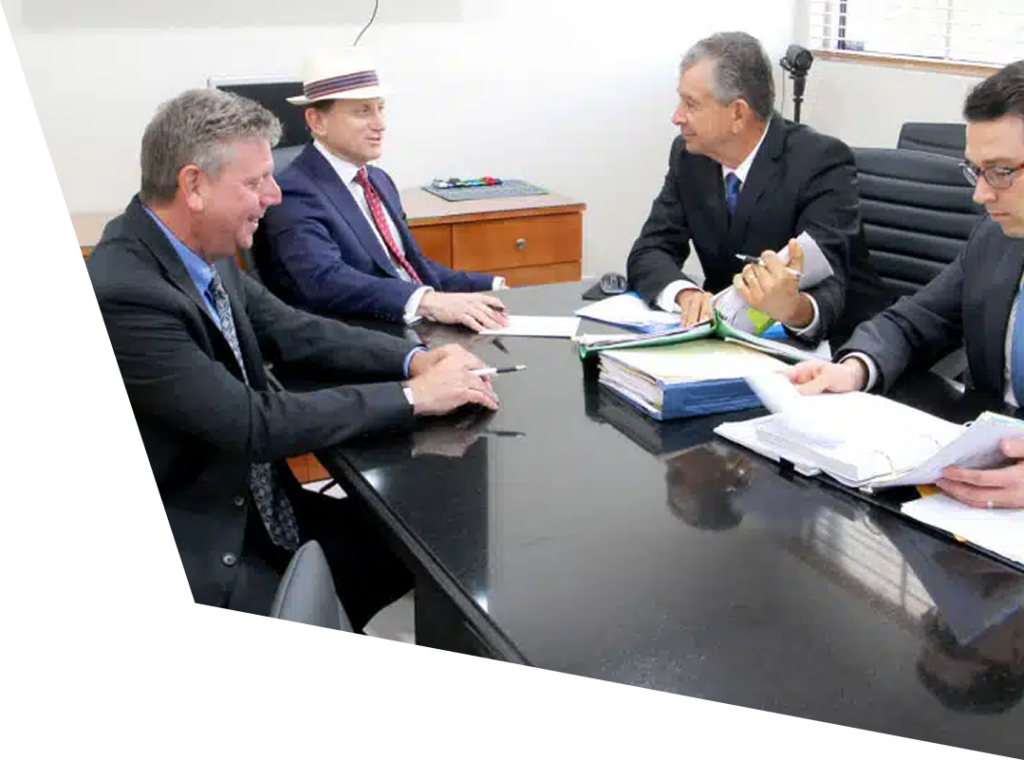
Other Injury Claims We Handle in Golden Beach
FAQ
I was hurt at a vacation rental home in Golden Beach. Who is responsible?
It depends on who controlled the property at the time and what caused the injury. That could be the homeowner, a rental host, or a property management company. Each may carry different insurance, so identifying the right party early matters. Tell us the details in a free case review and we'll help sort out who's responsible.
Does it matter that Golden Beach has almost no commercial buildings?
Yes. Most premises liability claims here involve homes, rental properties, or shared residential common areas rather than stores or restaurants. That usually means homeowner's insurance rather than commercial liability coverage, which changes how the claim is handled.
What if my injury happened on a public beach access point or town property in Golden Beach?
Claims involving government-owned or -maintained property, including certain beach access points, often have shorter notice periods and different rules than claims against a private homeowner. Call us and we'll confirm what applies to your specific situation.
How long do I have to file a premises liability claim in Florida?
Florida sets filing deadlines that vary by the type of claim, and deadlines can be shorter when a government entity is involved. We don't want to give you the wrong number for your situation in a general article. Call for a free case review and we'll walk through your specific timeline.
Do I need a lawyer if the injury happened at a private home rather than a business?
It's worth a conversation either way. Homeowner's insurance claims can be just as complicated as commercial claims, sometimes more so, because coverage limits and policy language vary widely. A free case review costs nothing and gives you a clear picture of your options.
What a Claim May Cover
A premises liability claim may address medical costs connected to the injury, lost income if the injury kept you out of work, and the physical pain and disruption the injury caused. It may also cover related expenses like transportation to medical appointments or the cost of help around the house while you recover. What applies in any given case depends entirely on the facts and the medical record built after the injury. We don’t estimate outcomes before we’ve reviewed those facts, and we won’t promise a result. We can tell you, in a free case review, what categories of loss are worth documenting from the start.
Free case review
Florida law sets filing deadlines for premises liability claims, and those deadlines vary depending on who owns the property. A claim against a private homeowner works differently than a claim involving a municipal beach access point or town-owned right-of-way, and claims against government entities can carry shorter notice periods and stricter rules. We’re not going to guess at a deadline for your situation in this article. Call us, tell us what happened, and we’ll tell you where your timeline stands.
Free Case Review
If you were hurt on someone’s property in Golden Beach, the next step is a conversation, not paperwork. We offer a free case review to look at what happened, who may be responsible, and what your options look like. There’s no fee unless we recover for you. Call to talk through what happened while the details are still fresh and the evidence is still there to gather.
Helping Those Injured in Accidents Across Florida
Our firm works with people injured throughout South Florida, from the barrier island communities like Golden Beach to the denser corridors of Golden Beach, Sunny Isles Beach, and Hallandale Beach. Premises liability claims look different in each of these places because the properties themselves are different, homes here, condo towers there, retail plazas elsewhere. We handle plaintiff-side personal injury claims across this region and adjust our approach to fit the property and the facts, not a generic script.
Other Injury Claims We Handle in Golden Beach
Not every injury in Golden Beach happens on someone’s property. A1A running through town, plus the tight residential streets branching off it, bring other kinds of claims we also handle for people in Golden Beach:
- Car Accident
- Slip and Fall
- Truck Accident
- Motorcycle Accident
- Pedestrian Accident
- Bicycle Accident
- Rideshare Accident (Uber and Lyft)
- Bus Accident
If you’re not sure which category fits what happened to you, that’s fine. Tell us the facts on the call and we’ll sort out the right path.